IIT Roorkee to assess Muzaffarnagar paper mills over RDF burning complaints
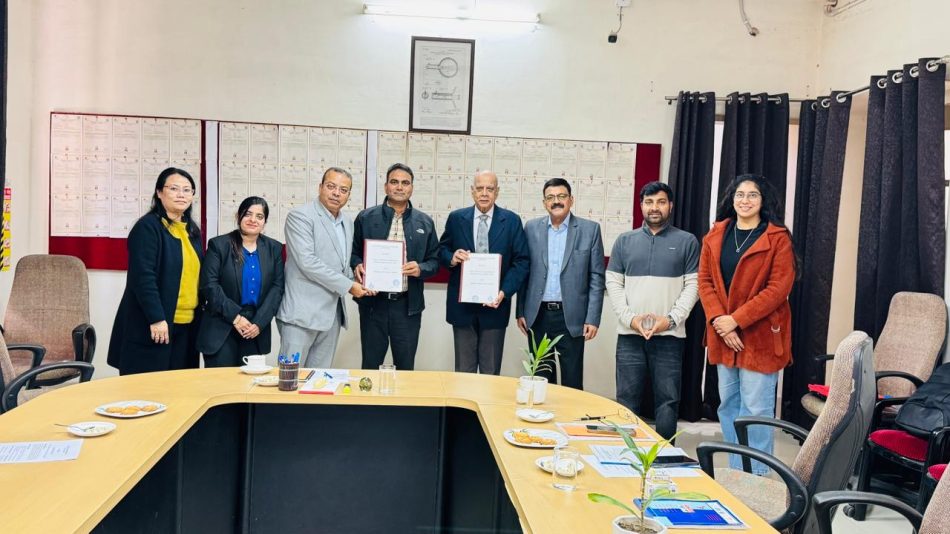
In a significant move aimed at addressing environmental concerns, the Uttar Pradesh Pollution Control Board (UPPCB) has mandated that paper mills in Muzaffarnagar enter into memorandums of understanding (MoUs) with the Indian Institute of Technology (IIT) Roorkee. This directive comes in response to numerous complaints from residents and environmental activists regarding the burning of refuse-derived fuel (RDF) sourced from Delhi’s Ghazipur landfill.
Background of the Issue
Residents and environmental activists have raised alarms about the use of RDF in local paper mills, alleging that it has led to a noticeable decline in air quality and an increase in foul odors in the surrounding areas. The Ghazipur landfill, often referred to as the “garbage mountain,” has been a focal point for these concerns, as the RDF produced from it is reportedly being utilized as fuel in various mills.
Assessment by IIT Roorkee
The technical team from IIT Roorkee will conduct a thorough assessment of the paper mills to determine whether their boilers and air pollution control systems comply with established environmental standards. Geetesh Chandra, the regional officer at UPPCB, highlighted that inspections are currently underway. So far, nine out of the 37 identified factories have been assessed, with approximately 30 of them operational.
Key Objectives of the Assessment
- Evaluate emission levels from the paper mills.
- Assess the efficiency of existing pollution control systems.
- Determine compliance with environmental regulations.
Current State of Paper Mills in Muzaffarnagar
Muzaffarnagar is home to over 30 operational paper mills, many of which have received notices from the UPPCB regarding complaints of foul odors and pollution. The board’s directive for these mills to collaborate with IIT Roorkee underscores the seriousness of the situation and the need for immediate action.
Industry Perspectives
Pankaj Agarwal, the former state president of the UP Paper Mill Association, has stated that over 20 mills are utilizing waste material, asserting that it is processed into RDF before combustion. He emphasized that this practice is permitted under current regulations. “We treat municipal waste before burning it. There are treatment mechanisms in paper mills that convert it into RDF,” Agarwal explained.
Concerns Raised by Activists
Despite the industry’s assertions, local RTI activist Sumit Malik has voiced strong concerns regarding the misuse of permissions granted by the Pollution Control Board. Malik claims that during the 2024-25 period, paper mill owners received authorization to burn RDF; however, this permission is allegedly being exploited. Instead of using properly processed RDF, some mills are reportedly burning hazardous materials, including plastic waste and heavy metals, which contravenes industrial regulations and exacerbates air pollution.
Implications for Local Communities
The ongoing situation has raised significant concerns among local residents. The complaints regarding air quality and unpleasant odors have prompted calls for stricter regulations and enforcement measures to protect public health and the environment. The collaboration between UPPCB and IIT Roorkee is seen as a crucial step toward addressing these issues and ensuring compliance with environmental standards.
Next Steps
As the assessment by IIT Roorkee progresses, stakeholders are keenly awaiting the results. The findings will play a critical role in shaping future regulations and operational practices for paper mills in the region. The UPPCB has indicated that it will take necessary actions based on the assessment report, which could include imposing stricter regulations or penalties for non-compliance.
Conclusion
The situation surrounding the Muzaffarnagar paper mills highlights the ongoing challenges in balancing industrial activity with environmental protection. As the assessment by IIT Roorkee unfolds, it will be imperative for all stakeholders, including the government, industry representatives, and community members, to engage in constructive dialogue to ensure sustainable practices that safeguard both public health and the environment.
Note: The information presented in this article is based on recent developments and may be subject to change as the situation evolves.