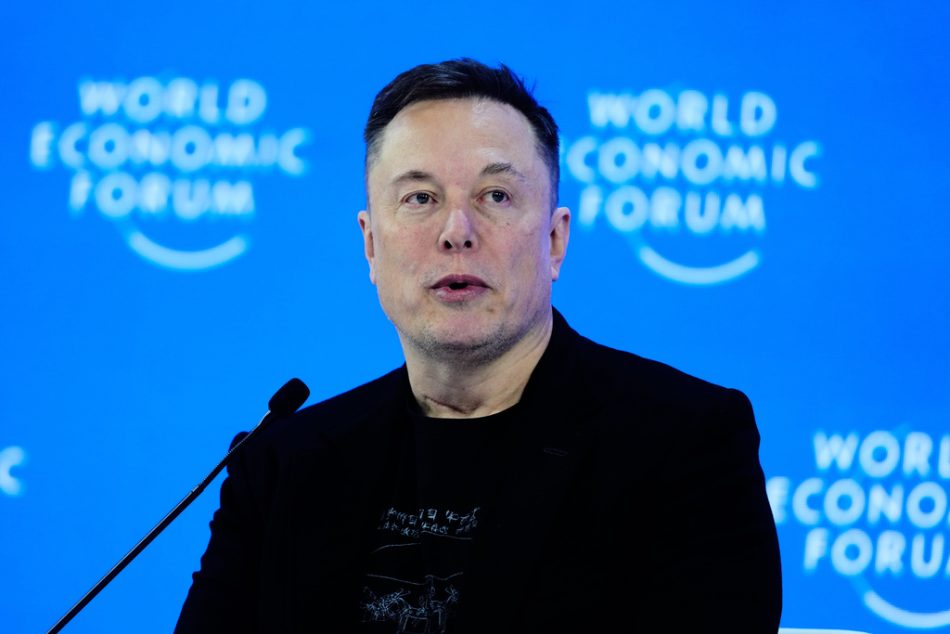
Musk’s ‘universal high income’ serves tech oligarchs more than workers
In recent years, the concept of a universal basic income (UBI) has gained traction, especially among tech entrepreneurs and billionaires. One of the most vocal proponents of this idea is Elon Musk, the CEO of Tesla and SpaceX. While the notion of providing a guaranteed income to all citizens seems appealing, it is essential to scrutinize who truly benefits from such a system. This article explores how Musk’s vision of a universal high income may serve the interests of tech oligarchs more than the workers it aims to support.
The Promise of Universal Basic Income
Universal basic income proposes that every citizen receives a regular, unconditional sum of money from the government, regardless of other income. Advocates argue that UBI can alleviate poverty, reduce inequality, and provide a safety net in an increasingly automated economy. The idea has gained popularity in various parts of the world, with pilot programs showing promising results.
Elon Musk’s Advocacy for UBI
Elon Musk has been an outspoken advocate for UBI, suggesting that as artificial intelligence and automation advance, many jobs will become obsolete. He argues that a universal income could provide people with the financial security they need to adapt to these changes. Musk has stated, “I think we will end up with a universal basic income, or something like it, because there is going to be fewer and fewer jobs that a robot cannot do better.”
Benefits for Tech Oligarchs
While the idea of UBI may seem altruistic, it is crucial to consider the implications for the tech industry and its leaders. Here are several ways in which Musk’s version of UBI may benefit tech oligarchs more than workers:
- Reduced Labor Costs: By implementing UBI, companies may feel less pressure to provide competitive wages and benefits. If workers receive a guaranteed income, employers could potentially lower salaries, knowing that employees have a financial cushion.
- Increased Dependency on Technology: As UBI provides a safety net, individuals may become more reliant on technology and automation for their daily needs. This dependency could lead to a greater market for tech products and services, further enriching tech giants.
- Shift in Economic Responsibility: UBI could shift the responsibility of economic welfare from corporations to the government. This may allow tech companies to prioritize profits over social responsibility, as they might no longer feel obligated to provide fair wages or benefits.
- Market Expansion: With a guaranteed income, consumers may have more disposable income to spend on technology and luxury goods. This could lead to increased sales for tech companies, further solidifying their market dominance.
Potential Drawbacks for Workers
While UBI has the potential to provide financial security, it is essential to consider its drawbacks for workers:
- Job Disincentivization: If individuals receive a basic income, some may choose not to work, leading to a decrease in the labor force. This could result in a shortage of workers in essential industries, ultimately harming the economy.
- Inflation Risks: An influx of cash into the economy could lead to inflation, eroding the purchasing power of the UBI itself. If prices rise faster than the income provided, the benefit may diminish over time.
- Limited Scope: UBI may not address the root causes of poverty and inequality. Without accompanying policies to ensure fair wages and job opportunities, the program could serve as a band-aid solution rather than a comprehensive approach to economic reform.
Alternative Approaches to Economic Security
Instead of relying solely on UBI, a multifaceted approach to economic security may be more effective. Here are some alternatives that could complement or replace UBI:
- Living Wage Initiatives: Ensuring that all workers receive a living wage can help lift individuals out of poverty without the potential drawbacks of UBI.
- Universal Healthcare: Providing access to healthcare for all citizens can alleviate financial burdens and improve overall quality of life.
- Job Training Programs: Investing in education and job training can help workers adapt to changing job markets, ensuring they remain employable in the face of automation.
- Strengthening Labor Rights: Protecting workers’ rights and promoting unionization can empower employees and ensure they receive fair compensation and benefits.
Conclusion
While Elon Musk’s advocacy for a universal high income may stem from a desire to protect workers in an automated future, it is vital to consider the broader implications of such a system. The potential for UBI to serve the interests of tech oligarchs more than workers raises critical questions about the future of work, economic responsibility, and social equity. As society grapples with the challenges posed by automation and inequality, a comprehensive approach that prioritizes fair wages, job security, and economic justice may be the most effective path forward.
Note: This article reflects the author’s interpretation of the implications of universal basic income as proposed by Elon Musk and does not represent a definitive stance on the issue.