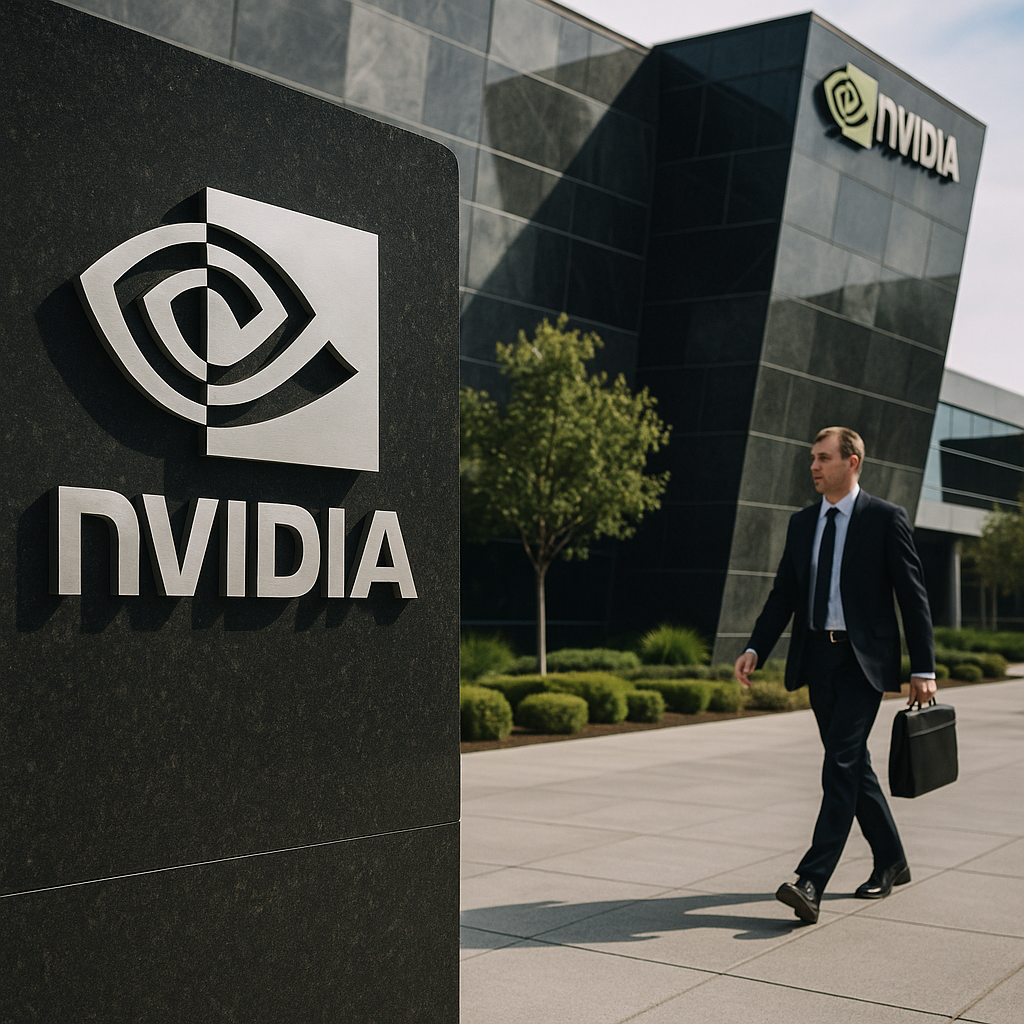
The First Trillion Company May Not Be Nvidia
As the technology sector continues to evolve, the race to become the first company to reach a market capitalization of $6 trillion is heating up. While Nvidia has garnered significant attention for its advancements in artificial intelligence and graphics processing, other contenders may be better positioned to achieve this milestone. This article explores the potential candidates and the factors that could influence their trajectories in the coming years.
Understanding Market Capitalization
Market capitalization, or market cap, is a measure of a company’s total value as determined by the stock market. It is calculated by multiplying the current share price by the total number of outstanding shares. Companies are often categorized into different tiers based on their market cap:
- Large-cap: Companies with a market cap of $10 billion or more.
- Mid-cap: Companies with a market cap between $2 billion and $10 billion.
- Small-cap: Companies with a market cap of less than $2 billion.
As of October 2023, Nvidia’s market cap has soared, driven by its leadership in AI technology and graphics processing units (GPUs). However, the question remains: will it be the first to reach $6 trillion?
Current Market Landscape
To understand who might be the first to reach the $6 trillion mark, it is essential to look at the current market landscape. The following companies are often mentioned as potential candidates:
- Apple Inc.: With a market cap hovering around $2.7 trillion, Apple remains a dominant player in technology, known for its innovative products and strong brand loyalty.
- Microsoft Corporation: Microsoft, valued at approximately $2.5 trillion, has a diverse portfolio that includes cloud computing, software, and hardware, positioning it well for future growth.
- Alphabet Inc. (Google): Alphabet, with a market cap of about $1.8 trillion, continues to expand its reach in digital advertising, cloud services, and artificial intelligence.
- Amazon.com Inc.: Amazon’s market cap is around $1.5 trillion, and its dominance in e-commerce and cloud computing makes it a strong contender.
Why Nvidia Might Not Lead the Charge
While Nvidia has experienced remarkable growth, several factors could hinder its path to becoming the first $6 trillion company:
1. Market Volatility
The tech industry is notoriously volatile, with stock prices influenced by various factors including economic conditions, interest rates, and investor sentiment. Nvidia’s stock has seen significant fluctuations, which could impact its long-term stability.
2. Competition
Nvidia faces intense competition from other semiconductor manufacturers and tech companies investing heavily in AI and machine learning. Companies like AMD and Intel are ramping up their efforts to capture market share in the GPU space.
3. Regulatory Challenges
As tech companies grow, they often attract scrutiny from regulators. Nvidia has faced challenges related to antitrust laws and data privacy, which could pose risks to its growth trajectory.
Potential Growth Drivers for Competitors
While Nvidia’s future may be uncertain, several other companies have strong growth drivers that could propel them toward the $6 trillion mark:
1. Apple’s Ecosystem
Apple’s extensive ecosystem of products and services, including the iPhone, iPad, Mac, and Apple Services, creates a robust revenue stream. The company’s commitment to innovation and sustainability also appeals to a growing base of environmentally conscious consumers.
2. Microsoft’s Cloud Dominance
Microsoft Azure has become a leading cloud platform, competing fiercely with Amazon Web Services. As more businesses migrate to the cloud, Microsoft’s revenue from this segment is expected to grow significantly, enhancing its market cap.
3. Alphabet’s AI Investments
Alphabet has made substantial investments in AI and machine learning, positioning itself as a leader in this space. Its diverse revenue streams from advertising, cloud services, and hardware further bolster its growth potential.
4. Amazon’s E-commerce and Cloud Services
Amazon’s dual focus on e-commerce and cloud services provides it with a unique competitive advantage. As online shopping continues to grow, Amazon’s market share in this sector is expected to expand, driving its market cap higher.
The Role of Innovation
Innovation is critical in the tech industry, and companies that consistently push the envelope are more likely to succeed. The following areas are particularly ripe for innovation:
- Artificial Intelligence: Companies investing in AI technology are likely to see substantial growth as businesses across various sectors adopt these solutions.
- Cloud Computing: As more organizations move to the cloud, companies that provide reliable and scalable solutions will thrive.
- Sustainable Technology: With increasing awareness of climate change, companies focusing on sustainability are likely to attract more customers and investors.
Conclusion
While Nvidia has made significant strides in the tech industry, the race to become the first $6 trillion company is still wide open. Competitors like Apple, Microsoft, Alphabet, and Amazon have strong foundations and growth drivers that could propel them to this unprecedented milestone. As the market continues to evolve, it will be fascinating to see which company ultimately emerges as the leader in this historic race.
Note: The information provided in this article is based on data available as of October 2023 and is subject to change as market conditions evolve.