
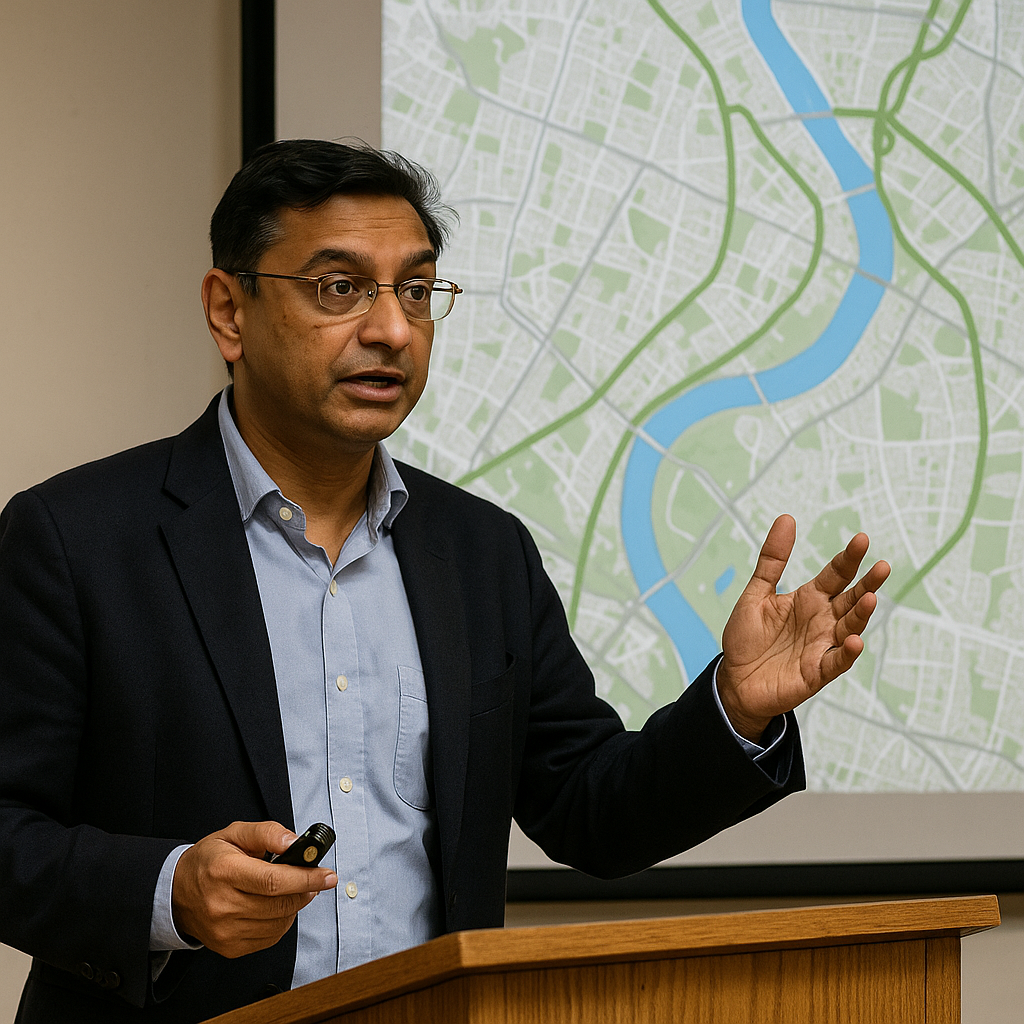
Cycling network for Delhi EAC-PM Sanjeev Sanyal pitches Yamuna Sutram project at IIT Roorkee
In a recent presentation at the Indian Institute of Technology (IIT) Roorkee, Sanjeev Sanyal, a member of the Economic Advisory Council to the Prime Minister (EAC-PM), proposed an ambitious project aimed at enhancing the cycling infrastructure in Delhi. The project, known as the Yamuna Sutram, seeks to create a comprehensive cycling network along the banks of the Yamuna River, promoting sustainable transportation and improving urban mobility.
Overview of the Yamuna Sutram Project
The Yamuna Sutram project aims to establish a dedicated cycling corridor that will stretch along the Yamuna River, connecting various parts of Delhi. This initiative is part of a broader effort to promote eco-friendly transportation options in the city, which has been grappling with severe traffic congestion and air pollution.
Objectives of the Project
- Enhancing Urban Mobility: The project aims to provide an efficient alternative to motorized transport, encouraging residents to adopt cycling as a viable mode of commuting.
- Promoting Sustainable Transport: By developing a cycling network, the initiative seeks to reduce the carbon footprint associated with vehicular traffic.
- Improving Public Health: Cycling is not only an environmentally friendly mode of transportation but also promotes physical fitness and overall well-being.
- Boosting Tourism: The scenic cycling routes along the Yamuna could attract tourists, enhancing local economies.
Importance of Cycling in Urban Areas
Cycling has gained recognition as a crucial component of urban transportation systems worldwide. Major cities across the globe are investing in cycling infrastructure to address various urban challenges. The benefits of cycling in urban areas include:
Environmental Benefits
- Reduction in Air Pollution: Fewer vehicles on the road lead to lower emissions of harmful pollutants.
- Decreased Traffic Congestion: Cycling can significantly reduce the number of cars on the streets, easing traffic flow.
- Conservation of Resources: Bicycles require fewer resources to manufacture and maintain compared to motor vehicles.
Social Benefits
- Community Engagement: Cycling can foster a sense of community as people engage with their surroundings and fellow cyclists.
- Accessibility: Cycling provides a low-cost transportation option, making mobility accessible to a broader segment of the population.
- Improved Quality of Life: Increased physical activity through cycling contributes to better mental and physical health.
Economic Benefits
- Job Creation: The development and maintenance of cycling infrastructure can create jobs in construction and urban planning.
- Increased Local Business Revenue: Cyclists are more likely to stop at local businesses, boosting the local economy.
- Reduced Transportation Costs: Cycling is a cost-effective mode of transport, saving money on fuel and vehicle maintenance.
Challenges in Implementing Cycling Infrastructure
While the benefits of cycling are clear, there are several challenges that must be addressed to successfully implement the Yamuna Sutram project:
Infrastructure Development
Creating a safe and efficient cycling network requires significant investment in infrastructure, including dedicated bike lanes, parking facilities, and maintenance services. Ensuring that these facilities are well-designed and integrated into the existing urban landscape is crucial.
Public Awareness and Education
For the project to succeed, it is essential to educate the public about the benefits of cycling and how to navigate the new infrastructure safely. Campaigns and community engagement initiatives can play a vital role in promoting cycling as a preferred mode of transport.
Safety Concerns
Safety is a primary concern for potential cyclists. Ensuring that cycling routes are safe from vehicular traffic and that cyclists are protected from accidents is paramount. This may involve implementing traffic calming measures and increasing law enforcement to ensure compliance with traffic regulations.
Global Examples of Successful Cycling Networks
Several cities around the world have successfully implemented cycling networks, serving as models for the Yamuna Sutram project:
Amsterdam, Netherlands
Amsterdam is renowned for its extensive cycling infrastructure, with dedicated bike lanes, bike-sharing programs, and a culture that encourages cycling. The city has successfully integrated cycling into its transportation system, resulting in decreased traffic congestion and pollution.
Copenhagen, Denmark
Copenhagen has invested heavily in cycling infrastructure, including bike bridges and dedicated lanes. The city aims to become carbon neutral by 2025, and cycling plays a crucial role in achieving this goal.
Portland, Oregon, USA
Portland has developed a comprehensive cycling network that includes bike lanes, bike-sharing programs, and community engagement initiatives. The city has seen a significant increase in cycling rates, contributing to improved air quality and public health.
Conclusion
The Yamuna Sutram project proposed by Sanjeev Sanyal at IIT Roorkee represents a significant step towards enhancing cycling infrastructure in Delhi. By addressing the challenges of implementation and drawing inspiration from successful global examples, the project has the potential to transform urban mobility in the city. As Delhi continues to face challenges related to traffic congestion and air pollution, investing in cycling infrastructure could be a key component of a sustainable urban future.
Note: The information presented in this article is based on recent developments and may be subject to change as the Yamuna Sutram project progresses.


