
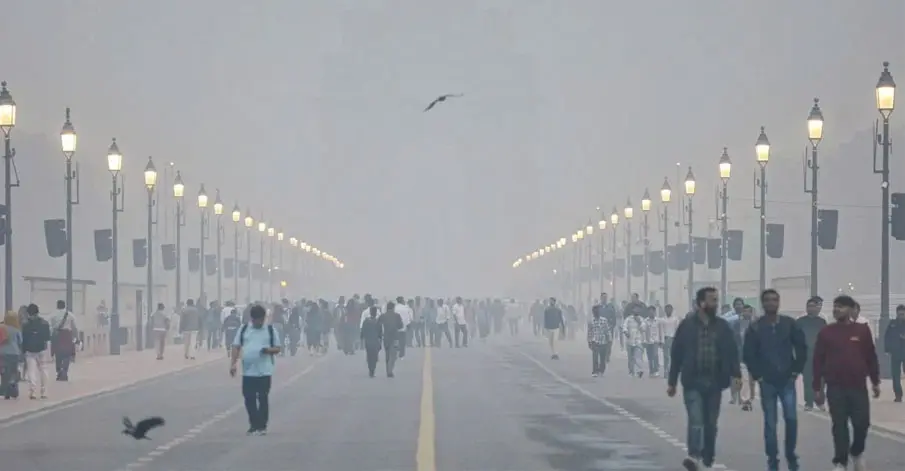
Delhi to Deploy AI-Driven, Real-Time Pollution Tracking System with IIT Kanpur
Delhi is set to embark on a groundbreaking initiative in collaboration with the Indian Institute of Technology (IIT) Kanpur, aimed at developing an artificial intelligence (AI)-enabled decision support system. This system will focus on monitoring air pollution in real time and accurately identifying its sources. The initiative signifies a shift from broad, citywide restrictions to more precise, data-driven interventions that target specific pollution hotspots and contributors.
Transforming Air Quality Management
The Delhi government’s decision to implement this AI-driven system reflects its commitment to enhancing the scientific rigor and technological depth of its air quality management strategy. By utilizing advanced analytics and hyperlocal monitoring, authorities aim to gain a better understanding of the factors contributing to pollution spikes, thereby enabling quicker and more effective responses.
Key Features of the Initiative
Environment Minister Manjinder Singh Sirsa emphasized that this initiative represents a fundamental change in the capital’s approach to air pollution. He stated, “Under the leadership of Chief Minister Rekha Gupta, Delhi’s fight against pollution is being made scientific, sustained, and strategic. Decisions will be driven by real-time data, source identification, and measurable outcomes, rather than emergency responses.”
Moving Beyond Reactive Measures
Currently, pollution control measures in Delhi are often reactive, implemented during peak smog episodes through blanket restrictions on construction, traffic, and industrial activities. The proposed AI-powered platform seeks to move beyond these episodic responses by providing continuous insights into pollution patterns and their underlying causes.
Data Integration and Analysis
The system is expected to integrate data from various sources, including:
- Air quality sensors
- Weather models
- Traffic flows
- Industrial emissions
- Satellite inputs
Advanced algorithms will analyze this data to attribute pollution to specific sources, such as vehicular congestion, construction dust, industrial emissions, or biomass burning, at a hyperlocal level.
Long-Term Planning for Pollution Management
Highlighting the need for long-term planning, Sirsa emphasized that pollution management should not be limited to winter months. He stated, “Pollution control cannot be seasonal. Delhi needs a 365-day action framework that integrates technology, governance, and enforcement, backed by data-driven decision-making.”
Continuous Monitoring and Targeted Measures
Officials believe that such a framework would enable enforcement agencies to deploy targeted measures throughout the year, improving compliance and minimizing the economic and social disruptions caused by sweeping restrictions. Additionally, it could assist policymakers in tracking the effectiveness of interventions over time and recalibrating strategies based on measurable outcomes.
Collaboration with IIT Kanpur
The partnership with IIT Kanpur, known for its expertise in engineering, data science, and environmental research, is expected to play a crucial role in designing and validating the proposed system. If implemented successfully, this initiative could serve as a model for other Indian cities grappling with chronic air pollution challenges.
Demonstrating Smart Urban Governance
This project will showcase how AI and real-time data can support smarter urban governance. By leveraging technology, Delhi aims to create a sustainable and effective approach to air quality management that other cities can replicate.
Conclusion
The deployment of an AI-driven, real-time pollution tracking system in Delhi marks a significant step forward in the city’s efforts to combat air pollution. By focusing on data-driven strategies and continuous monitoring, the initiative aims to create a healthier environment for its residents and set a precedent for urban pollution management across India.
Note: The information presented in this article is based on the latest developments as of December 2025.


