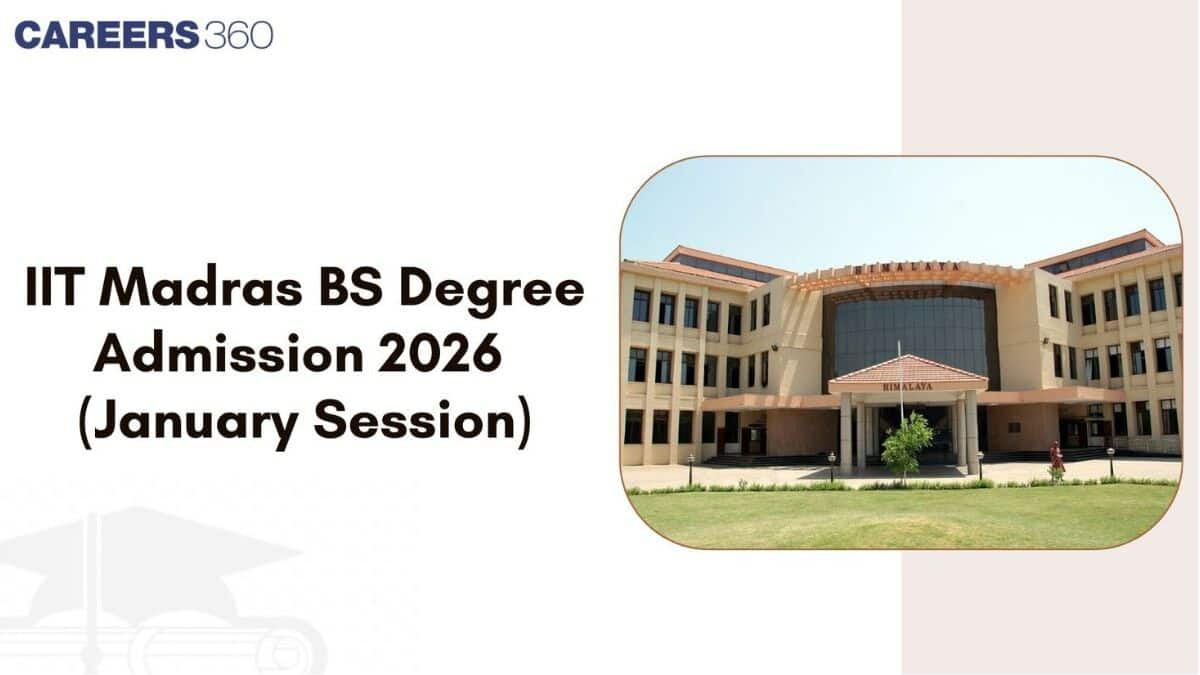
IIT Madras GDC Focuses On Democratising Innovation & Entrepreneurship In India
The Indian Institute of Technology (IIT) Madras has long been a beacon of technological advancement and educational excellence in India. Recently, the institute has taken significant steps to foster innovation and entrepreneurship through its Global Design Challenge (GDC). This initiative aims to democratize access to innovation, making it more inclusive and accessible to aspiring entrepreneurs across the country.
Understanding the Global Design Challenge
The Global Design Challenge is a unique initiative launched by IIT Madras, designed to encourage students, startups, and innovators to address pressing societal issues through innovative solutions. The challenge invites participants from diverse backgrounds to collaborate and develop prototypes that can potentially transform industries and improve lives.
Objectives of the GDC
The primary objectives of the Global Design Challenge include:
- Encouraging Innovation: The GDC aims to foster a culture of innovation among students and young entrepreneurs by providing them with the necessary resources and mentorship.
- Promoting Collaboration: By bringing together participants from various fields, the challenge encourages interdisciplinary collaboration, which is critical for developing comprehensive solutions.
- Addressing Societal Needs: The challenge focuses on real-world problems, encouraging participants to create solutions that have a tangible impact on society.
- Building Entrepreneurial Skills: The GDC provides participants with training and workshops that enhance their entrepreneurial skills, preparing them for future ventures.
Inclusivity and Accessibility
A key aspect of the GDC is its commitment to inclusivity. IIT Madras recognizes that innovation should not be limited to a select few but should be accessible to all. To achieve this, the challenge is open to participants from various educational backgrounds, including engineering, design, business, and social sciences. This diversity enriches the solutions developed during the challenge.
Structure of the Challenge
The Global Design Challenge is structured in multiple phases, each designed to guide participants through the innovation process:
1. Registration and Team Formation
Participants can register individually or in teams. The registration process encourages participants to form diverse teams that combine different skill sets and perspectives.
2. Ideation Phase
In this phase, teams brainstorm and develop their ideas. They are encouraged to identify specific societal problems and propose innovative solutions. Mentors from IIT Madras and industry experts provide guidance during this phase.
3. Prototype Development
Once ideas are refined, teams move on to developing prototypes. This hands-on phase allows participants to bring their concepts to life, utilizing resources and facilities available at IIT Madras.
4. Pitching and Evaluation
Teams present their prototypes to a panel of judges comprising industry leaders, entrepreneurs, and academics. The evaluation criteria focus on innovation, feasibility, and potential impact.
Support and Resources
IIT Madras provides extensive support to participants throughout the challenge. This includes:
- Mentorship: Experienced mentors guide teams, offering insights and advice based on their expertise.
- Workshops: Various workshops are conducted to enhance participants’ skills in areas such as design thinking, business strategy, and technical development.
- Access to Facilities: Participants have access to state-of-the-art laboratories and resources at IIT Madras, enabling them to develop their prototypes effectively.
- Networking Opportunities: The challenge provides a platform for participants to connect with industry leaders, potential investors, and fellow innovators.
Impact of the GDC
The Global Design Challenge has already made a significant impact on the innovation landscape in India. Some of the notable outcomes include:
- Successful Startups: Many teams have successfully transformed their prototypes into viable startups, contributing to the entrepreneurial ecosystem in India.
- Social Impact: Solutions developed during the challenge have addressed critical issues such as healthcare, education, and sustainability, positively impacting communities.
- Increased Awareness: The GDC has raised awareness about the importance of innovation and entrepreneurship among students and young professionals.
Future of the GDC
Looking ahead, IIT Madras plans to expand the Global Design Challenge, incorporating more participants and increasing its outreach. The institute aims to collaborate with other educational institutions and industry partners to enhance the challenge’s scope and impact.
Furthermore, IIT Madras is committed to continuously improving the GDC by incorporating feedback from participants and mentors, ensuring that it remains relevant and effective in fostering innovation.
Conclusion
The Global Design Challenge at IIT Madras is a significant step towards democratizing innovation and entrepreneurship in India. By providing a platform for diverse participants to collaborate and develop impactful solutions, the GDC is not only nurturing the next generation of innovators but also addressing critical societal challenges. As this initiative continues to evolve, it holds the potential to transform the entrepreneurial landscape in India, making it more inclusive and accessible for all.
Note: The information provided in this article is based on the latest updates from IIT Madras and its initiatives as of October 2023.