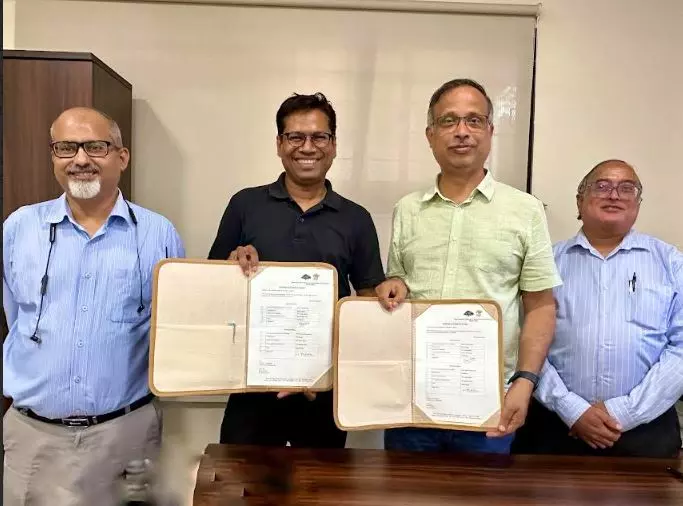
IIT Hyderabad to Ramp Up Its Green Power Use, Cut Emissions
Hyderabad, India – The Indian Institute of Technology (IIT) Hyderabad has announced an ambitious plan to enhance its green power usage and significantly reduce campus emissions. This initiative is part of a broader commitment to achieve Net Zero emissions by 2030. The institute aims to revamp its energy, water, cooling, and ecological systems to create a more sustainable campus environment.
Current Initiatives and Future Plans
As of now, IIT Hyderabad operates nearly 1 megawatt of solar power. However, the institute is actively working on projects that will increase its solar capacity to approximately 4.5 megawatts. This expansion will involve the installation of solar panels over parking areas and rooftops, allowing a substantial portion of the campus’s electricity demand to be met internally.
Director’s Vision
B.S. Murty, the director of IIT Hyderabad, emphasized that the focus is not merely on adding green features in isolation but on redesigning core systems to ensure that energy, water, cooling, and ecology work in harmony. “Reducing electricity demand is just as crucial as generating clean energy,” he stated.
Innovative Cooling Systems
To reduce energy consumption, the institute has equipped its hostel buildings with radiant cooling systems. These systems utilize chilled water instead of conventional air-conditioning, which is known to consume significant amounts of electricity. Additionally, high-efficiency ceiling fans are being installed across both academic and residential buildings to further lower energy usage.
Water Management Strategies
Recognizing the challenges posed by the region’s hard rock terrain, IIT Hyderabad has redesigned its water management systems. Rainwater is now channeled through bio-swales into interconnected lakes and ponds. This innovative approach not only facilitates groundwater recharge and reuse but also helps in reducing monsoon runoff, thereby minimizing the risk of flooding.
Tree Plantation Drives
Over the past six years, sustained tree plantation drives have significantly increased the green cover on campus. Officials have documented more than 60 bird species residing in the area, showcasing the positive impact of these initiatives on local biodiversity.
Waste Management Practices
In addition to energy and water management, IIT Hyderabad is implementing effective waste management practices. These include:
- Waste segregation to ensure recyclable materials are properly processed.
- Composting organic waste to create nutrient-rich soil amendments.
- Biogas generation from organic waste, which can be used for cooking and other energy needs.
- Encouraging cycling among students and staff to promote sustainable transportation.
Periodic Review and Future Goals
The institute has committed to periodically reviewing its progress as it works towards its 2030 target. This systematic approach ensures that all initiatives are effectively contributing to the overarching goal of sustainability.
Conclusion
IIT Hyderabad’s proactive measures to ramp up green power usage and cut emissions reflect a growing trend among educational institutions to prioritize sustainability. By integrating innovative technologies and practices into its operations, the institute is setting a benchmark for others to follow. The commitment to achieving Net Zero emissions by 2030 not only benefits the campus community but also contributes positively to the environment at large.
Note: The information presented in this article is based on reports from Deccan Chronicle and reflects the current initiatives and future plans of IIT Hyderabad as of January 2026.