Forget Gold or Silver: Bengaluru-Based Founder Advocates for Smarter Investments
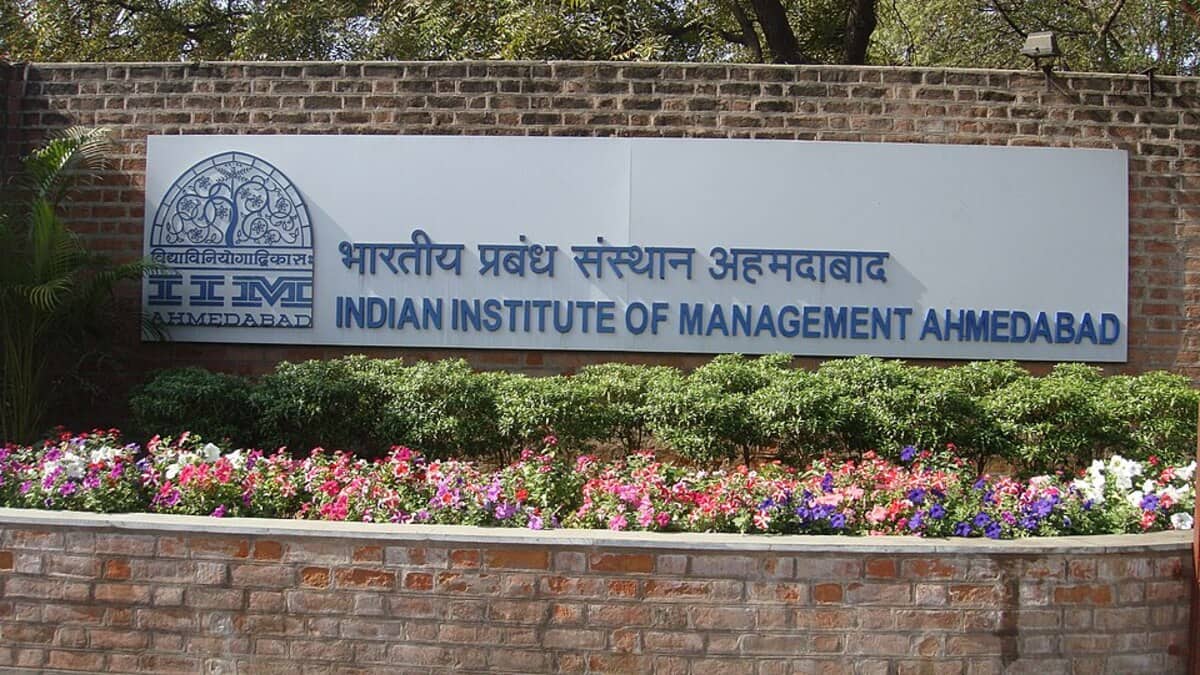
In a world where financial security often hinges on tangible assets like gold and silver, a new perspective is emerging from the tech-savvy streets of Bengaluru. Abid Hassan, the founder of Sensibull and an alumnus of IIM Ahmedabad, is urging young people to shift their focus from investing in precious metals to investing in themselves through skill development.
The Rise of Precious Metals Investment
As the prices of gold and silver continue to rise, many retail investors are flocking to these traditional assets. The allure of precious metals as a hedge against inflation and economic uncertainty has made them a popular choice for those looking to secure their financial future. However, Hassan believes that this trend may overlook a more valuable investment opportunity.
Hassan’s Personal Journey
Hassan’s perspective is shaped by his own experiences. He recalls receiving an 8-gram gold medal in 2000 for his academic performance in the 10th grade. At that time, the medal was valued at approximately Rs 4,000. Fast forward to today, and the same medal would be worth nearly Rs 1.2 lakh due to the significant rise in gold prices.
Despite the potential financial gain from holding onto the medal, Hassan made a pivotal decision: he sold it to fund coaching classes for his entrance exams. This decision led him to complete a BTech from NIT Calicut and later pursue a post-graduate diploma in management from IIM Ahmedabad.
Valuing Skills Over Tangible Assets
Reflecting on his decision, Hassan stated, “That medal went from Rs 4,000 to Rs 1.2 lakh now, but I’m sure the coaching was worth way more.” This sentiment underscores his belief that investing in education and skills yields far greater long-term benefits than holding onto physical assets like gold.
Hassan took to social media platform X to share his thoughts, emphasizing the importance of prioritizing skill acquisition over the allure of precious metals. His message resonated widely, sparking discussions about the real value of investing in oneself.
The Concept of Opportunity Cost
Hassan’s argument hinges on the concept of opportunity cost—the idea that choosing one option means forgoing another potentially more beneficial opportunity. By focusing on skills and personal development, individuals can create pathways to success that far exceed the financial gains from gold or silver investments.
His post on X read: “Gentle reminder: forget this gold and silver nonsense, focus on skills and building things.” This statement highlights a growing recognition that skills are a more reliable inflation hedge than physical assets.
Community Response
The response to Hassan’s message has been largely positive. Many users echoed his sentiments, noting that skills are indeed the real assets that can change one’s career trajectory. One user commented, “People forget skills are the real inflation hedge,” while another pointed out, “Assets compound, but skills change your trajectory.”
However, some cautionary voices emerged, reminding that investing in skills only pays off if individuals actually develop their capabilities. One user remarked, “That trade only makes sense if the coaching actually compounded into capability.” This highlights the importance of commitment and effort in transforming educational investments into real-world skills.
Gold vs. Skills: A Timeless Debate
The debate between investing in gold and investing in skills is not new. While precious metals may provide a sense of financial security, the value of upskilling through education, training, and experience often surpasses the short-term appreciation of physical assets.
Investing in skills not only enhances career prospects but also equips individuals to navigate economic fluctuations more effectively than relying solely on physical assets. In a rapidly changing job market, adaptability and continuous learning are crucial for long-term success.
The Future of Investment Strategies
As the financial landscape evolves, the importance of prioritizing personal development becomes increasingly clear. Young individuals are encouraged to view their education and skill-building efforts as investments that yield substantial returns over time.
Hassan’s message serves as a reminder that the most valuable asset one can possess is not gold or silver, but rather the skills and knowledge that enable personal and professional growth. In an era defined by innovation and change, the ability to adapt and learn is paramount.
Conclusion
In conclusion, Abid Hassan’s perspective sheds light on a critical shift in investment philosophy. As young people navigate the complexities of the modern economy, prioritizing skill acquisition over traditional assets like gold and silver may prove to be a more prudent and rewarding strategy. The journey of personal development not only fosters individual growth but also contributes to a more resilient and adaptable workforce.
Note: This article reflects the views of Abid Hassan and does not constitute financial advice. Individuals should consider their own circumstances and seek professional guidance before making investment decisions.