IIT Bhubaneswar Study Shows Significant Turnaround in Power Supply Reliability in Central Odisha Districts
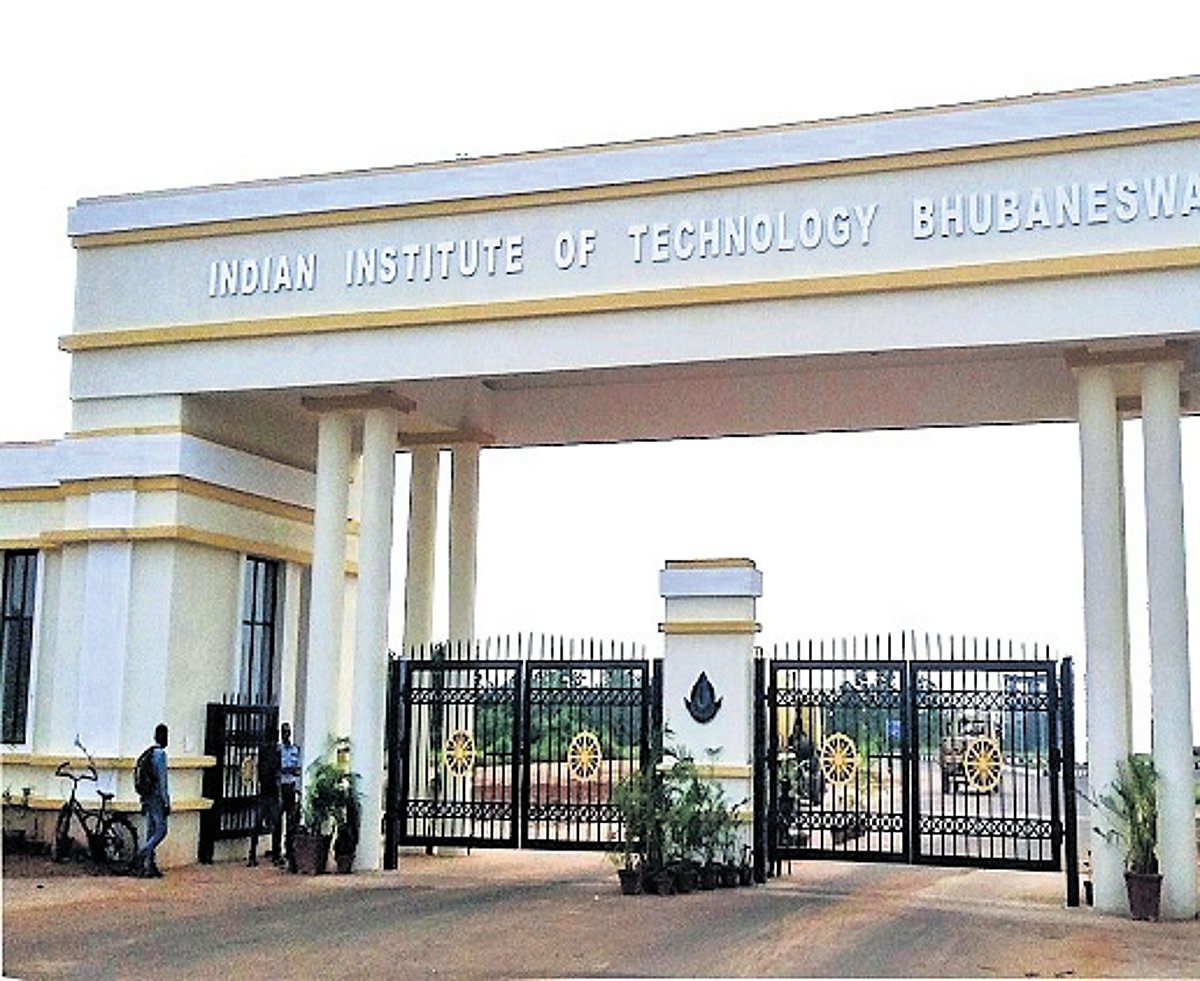
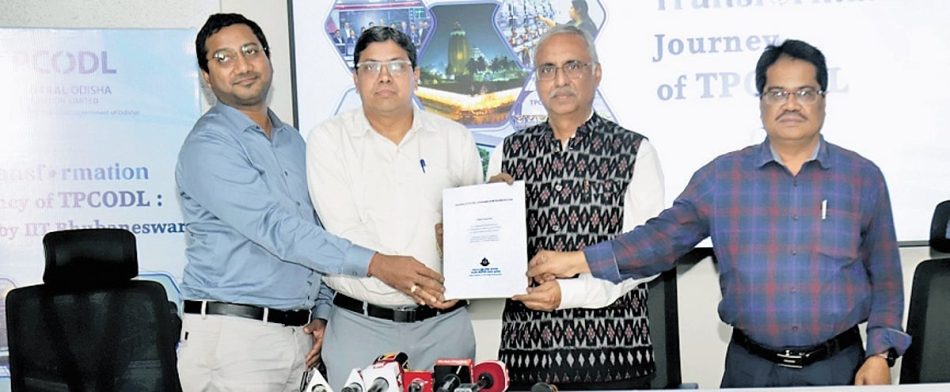
Bhubaneswar, Odisha – A recent study conducted by the Indian Institute of Technology (IIT) Bhubaneswar has revealed a remarkable improvement in the power distribution performance of Tata Power Central Odisha Distribution Limited (TPCODL) over the past five years. This study highlights enhanced network reliability, greater operational efficiency, and improved consumer service delivery across central Odisha.
Key Findings of the Study
The research, led by Prof. Chandrashekhar Bhende, Dr. Chandrasekhar Perumalla, and Dr. Abhineet Prakash from the Department of Electrical Engineering at IIT Bhubaneswar, evaluated the impact of sustained capital investment, network modernization, and digital interventions implemented by TPCODL, a joint venture between Tata Power and the state government.
Improvement in System Average Interruption Duration Index (SAIDI)
One of the most significant findings of the study was the nearly 50 percent improvement in the System Average Interruption Duration Index (SAIDI). This index measures the average outage duration for consumers, indicating a marked reduction in outage times and improved supply reliability. The study attributes this improvement to:
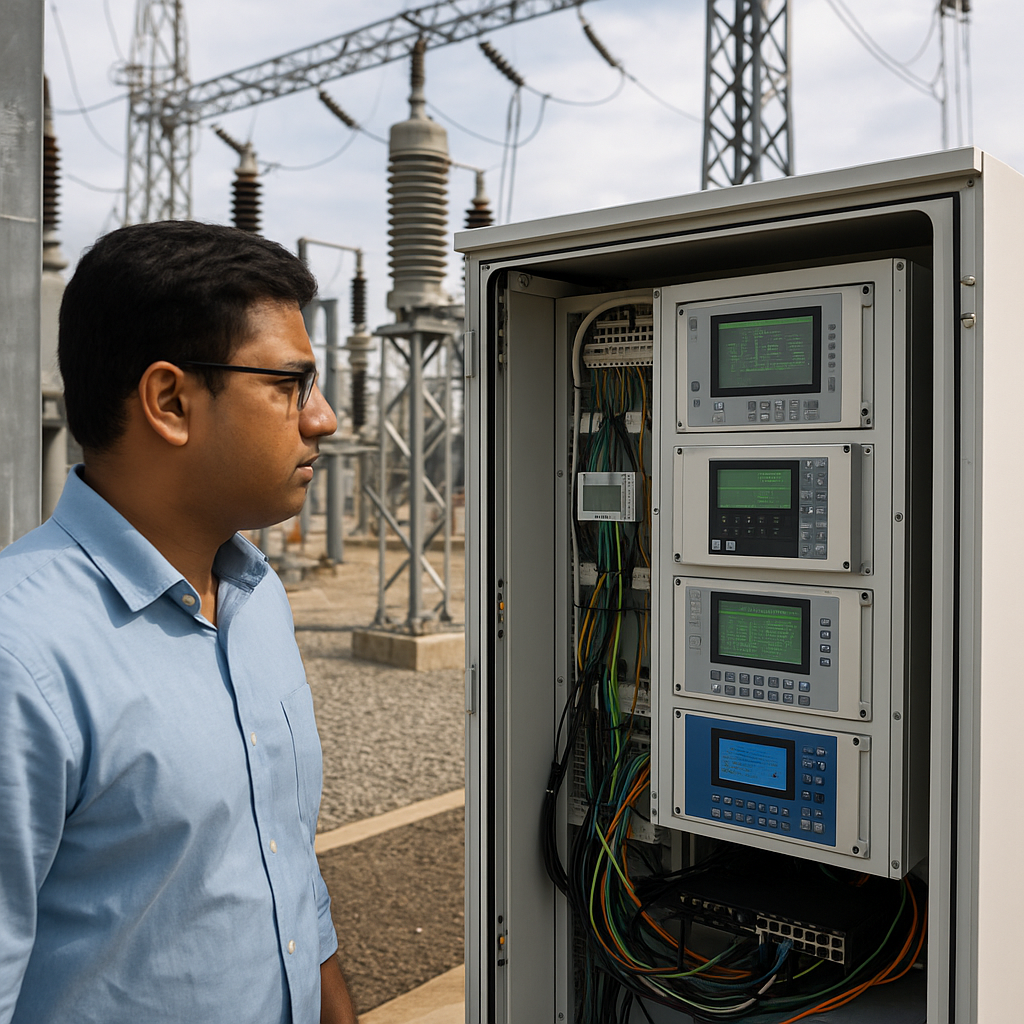
- Enhanced fault detection mechanisms
- Faster isolation and restoration processes
- A decline in transformer tripping and failure rates
Operational Efficiency Gains
Operational efficiency has also shown notable progress. The Aggregate Technical and Commercial (AT&C) losses, which reflect the percentage of energy lost due to technical issues and commercial inefficiencies, have decreased from approximately 30 percent at the beginning of the reform period to 18.94 percent in FY25. This improvement can be attributed to:
- Improved billing and operational controls
- Strengthening of the network infrastructure
- Automation of various processes
Capital Investments
Over the five-year period, TPCODL made capital investments exceeding ₹1,500 crore. These investments included:
- A 44 percent increase in 33 kV feeders
- A 42 percent increase in 11 kV feeders
- Integration of 250 substations into a centralized control center
Disaster Preparedness and Consumer-Centric Services
The study also highlighted improvements in disaster preparedness. Focused efforts on developing cyclone-resilient infrastructure have enabled power restoration within 24 to 48 hours in areas affected by cyclones. This is a significant achievement, considering the region’s vulnerability to natural disasters.
Consumer Service Delivery
Consumer-centric service delivery has emerged as a strong area of progress for TPCODL. The expansion of various services has significantly improved transparency and service quality. Key developments include:
- The establishment of a 24×7 call center
- Opening of 20 customer care centers
- Implementation of digital payment platforms
- Online grievance redressal systems
Decentralized Fault Response
To enhance response times, TPCODL has implemented decentralized fault response systems. This includes:
- 131 urban fuse call centers
- 811 rural fuse call centers
These centers are digitally linked to central systems, allowing for quicker response times, particularly in rural areas. As a result, customer satisfaction reached an impressive 96 percent in FY25.
Expert Insights
Commenting on the findings, Prof. Bhende stated, “The study demonstrates how automation, digital systems, and a safety-first work culture can drive sustainable public service outcomes.” This sentiment reflects the broader potential for technological advancements to improve public utilities and service delivery.
Conclusion
The findings of the IIT Bhubaneswar study underscore the significant strides made by TPCODL in enhancing power supply reliability in central Odisha. Through strategic investments, modernization efforts, and a focus on consumer service, TPCODL has set a benchmark for utility performance in the region. The improvements in outage durations, operational efficiency, and customer satisfaction highlight the positive impact of these initiatives on the lives of consumers.
Note: The information presented in this article is based on a study conducted by IIT Bhubaneswar and reflects the status as of February 2026.