Government Push, Community Efforts Drive Education Growth in Jammu and Kashmir
Education in Jammu and Kashmir has undergone significant transformation in recent years, driven by a combination of government initiatives and grassroots community efforts. This article explores the various strategies implemented to enhance educational opportunities in the region, the challenges that remain, and the impact of these efforts on the local population.
The Role of Government Initiatives
The government of Jammu and Kashmir has recognized the importance of education as a fundamental right and a key driver of socio-economic development. Several initiatives have been launched to improve access to quality education, including:
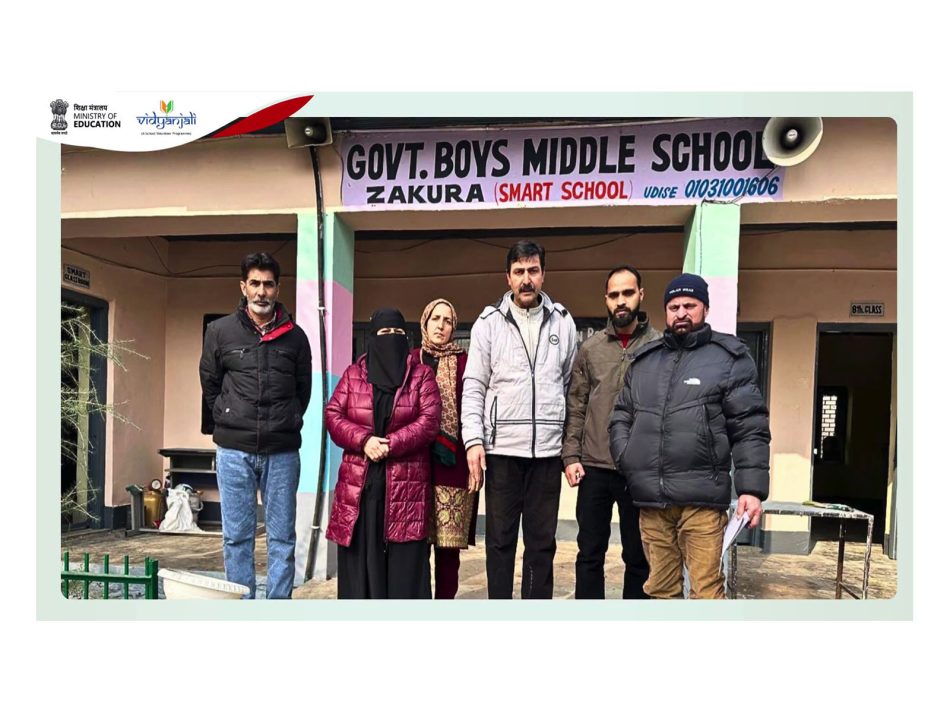
- Infrastructure Development: The government has invested heavily in building new schools, upgrading existing facilities, and ensuring that educational institutions are equipped with modern amenities.
- Digital Education: The introduction of digital learning platforms and e-learning resources has made education more accessible, especially in remote areas.
- Scholarship Programs: Financial assistance in the form of scholarships has been provided to encourage students from economically disadvantaged backgrounds to pursue their education.
- Teacher Training: Continuous professional development programs have been established to enhance the skills of teachers, ensuring they are well-equipped to deliver quality education.
Community Involvement
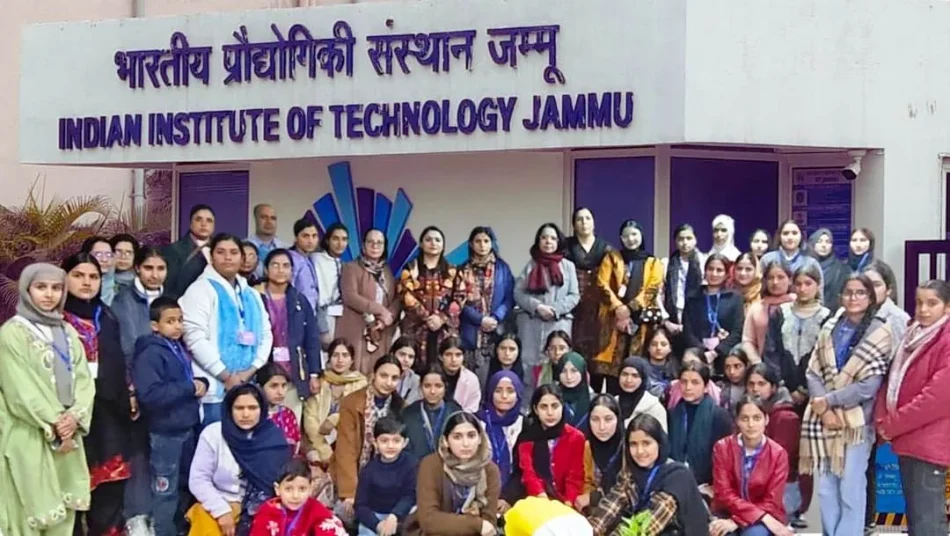
In addition to government efforts, local communities have played a crucial role in promoting education. Community involvement has taken various forms, including:
- Awareness Campaigns: Local organizations have initiated campaigns to raise awareness about the importance of education, particularly for girls and marginalized groups.
- Volunteering: Community members have volunteered their time and resources to support local schools, providing tutoring and mentoring to students.
- Parent-Teacher Associations: These associations have been instrumental in fostering communication between parents and educators, leading to better educational outcomes.
- Local Funding: Some communities have taken it upon themselves to raise funds for educational initiatives, such as building classrooms or providing learning materials.
Challenges to Education in Jammu and Kashmir
Despite the progress made, several challenges continue to hinder educational growth in Jammu and Kashmir:
- Geographical Barriers: The region’s rugged terrain makes it difficult to access schools, particularly in remote villages.
- Political Instability: Ongoing political tensions can disrupt educational activities and deter students from attending school.
- Resource Limitations: Many schools still lack basic resources, such as textbooks, laboratory equipment, and trained staff.
- Cultural Attitudes: In some areas, cultural norms may discourage girls from pursuing education, leading to gender disparities in school enrollment.
Impact of Educational Growth
The combined efforts of the government and communities have begun to yield positive results in the education sector:
- Increased Enrollment: There has been a noticeable rise in school enrollment rates, particularly among girls and marginalized groups.
- Improved Literacy Rates: Literacy rates in Jammu and Kashmir have improved, contributing to a more informed and educated populace.
- Economic Opportunities: Education has opened up new economic opportunities for individuals and families, leading to improved living standards.
- Social Empowerment: Education has empowered individuals, particularly women, to participate more actively in their communities and the workforce.
Future Prospects
Looking ahead, the future of education in Jammu and Kashmir appears promising, provided that current efforts continue and expand. Key areas for further development include:
- Enhancing Digital Infrastructure: Continued investment in digital education can help bridge the gap between urban and rural areas.
- Strengthening Community Engagement: Encouraging more community involvement in education can lead to innovative solutions tailored to local needs.
- Addressing Gender Disparities: Targeted programs to promote girls’ education can help achieve gender parity in schools.
- Policy Reforms: Ongoing policy reforms that prioritize education funding and resources will be essential for sustained growth.
Conclusion
The education landscape in Jammu and Kashmir is evolving, thanks to a concerted effort from both the government and local communities. While challenges remain, the progress made thus far is a testament to the resilience and determination of the people in the region. With continued support and innovative strategies, the future of education in Jammu and Kashmir looks bright.
Note: This article is based on information available up to October 2023 and aims to provide an overview of the educational developments in Jammu and Kashmir.