Reserved-quota students now outnumber General category in higher education: IIM Udaipur report
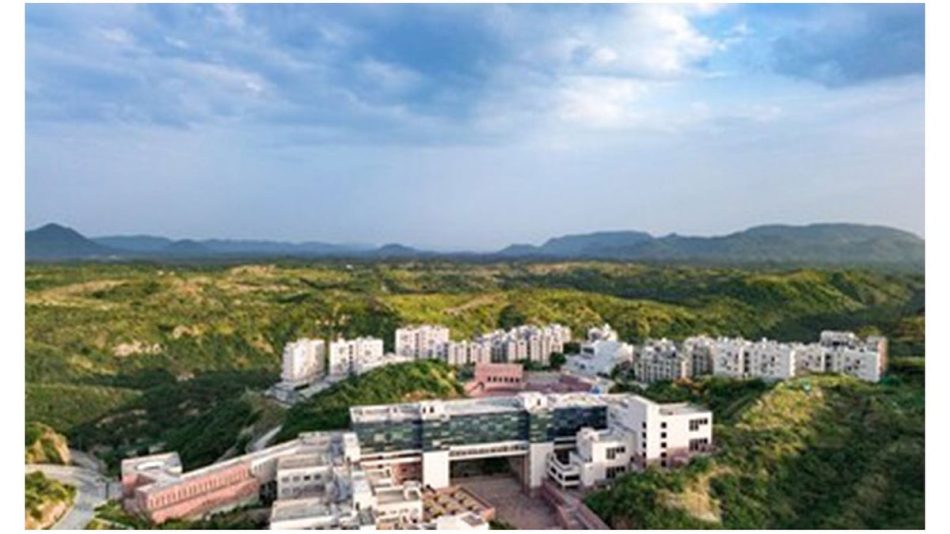
The landscape of higher education in India is undergoing a significant transformation, as revealed by a recent report from the Indian Institute of Management (IIM) Udaipur. The findings indicate that students from reserved categories now outnumber those from the general category in various higher educational institutions across the country. This shift has important implications for policy, educational equity, and the future of India’s workforce.
Understanding Reserved Categories in India
In India, the concept of reserved categories was introduced to promote social justice and equality. The government has established quotas for various groups, including Scheduled Castes (SC), Scheduled Tribes (ST), and Other Backward Classes (OBC). These quotas are designed to ensure that individuals from historically marginalized communities have access to educational opportunities and can compete on a more level playing field.
Key Findings of the IIM Udaipur Report
The IIM Udaipur report presents several key findings regarding the enrollment trends in higher education institutions:
- Enrollment Statistics: The report indicates that students from reserved categories now constitute more than 50% of the total enrollment in many prestigious institutions, including the Indian Institutes of Technology (IITs) and Indian Institutes of Management (IIMs).
- Change Over Time: Over the past decade, the proportion of reserved-quota students has steadily increased, reflecting the government’s efforts to enhance access to education for underprivileged communities.
- Impact on General Category Students: The report highlights a corresponding decline in the representation of general category students, raising questions about the balance of opportunities in higher education.
Implications of the Findings
The implications of these findings are multifaceted and warrant careful consideration:
1. Policy Revisions
With the increasing number of reserved-quota students, policymakers may need to revisit existing educational policies. This includes evaluating the effectiveness of current reservation systems and considering adjustments to ensure that all students have equitable access to quality education.
2. Educational Equity
The rise in reserved-quota students signifies progress toward educational equity. However, it also highlights the need for ongoing support systems to ensure that these students are adequately prepared for the rigors of higher education. Institutions may need to implement mentorship programs, tutoring, and other resources to help these students succeed.
3. Workforce Readiness
As the demographics of higher education shift, the workforce will also evolve. Employers may need to adapt their hiring practices to accommodate a more diverse pool of graduates. This shift could lead to a more inclusive work environment, benefiting organizations and society as a whole.
Challenges Faced by Reserved-Quota Students
Despite the positive trends, reserved-quota students face unique challenges that can impact their educational experience:
- Academic Preparedness: Many students from reserved categories come from under-resourced backgrounds, which can affect their academic readiness for higher education.
- Social Integration: These students may experience social isolation or discrimination within academic settings, making it difficult to form connections with peers.
- Financial Constraints: While scholarships and financial aid are available, many reserved-quota students still struggle with the costs associated with higher education.
Strategies for Improvement
To address the challenges faced by reserved-quota students, institutions and policymakers can implement several strategies:
1. Enhanced Support Services
Colleges and universities should offer comprehensive support services, including academic advising, counseling, and career services tailored to the needs of reserved-quota students.
2. Community Engagement
Engaging with local communities can help institutions better understand the barriers faced by prospective students and develop targeted outreach programs to encourage enrollment.
3. Collaboration with Industry
Partnerships with industry can provide reserved-quota students with internships, job placements, and mentorship opportunities, facilitating a smoother transition into the workforce.
Conclusion
The findings from the IIM Udaipur report underscore a significant shift in the demographics of higher education in India. As reserved-quota students increasingly outnumber their general category counterparts, it is crucial for stakeholders to address the accompanying challenges and opportunities. By fostering an inclusive educational environment and ensuring equitable access to resources, India can pave the way for a more diverse and capable workforce.
Note: This article is based on the findings of the IIM Udaipur report and aims to provide insights into the current trends in higher education in India.