IIT Madras’ Coers ‘ThinnAI’ at India AI Impact Summit 2026
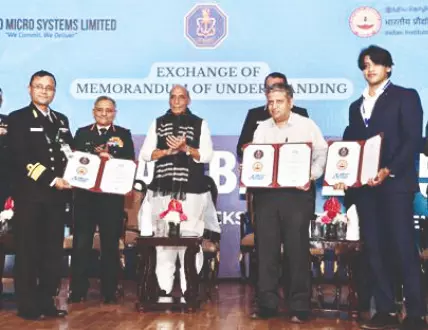
The Indian Institute of Technology (IIT) Madras has made significant strides in the field of artificial intelligence (AI) with its innovative initiative, ‘ThinnAI.’ This initiative was prominently featured at the India AI Impact Summit 2026, showcasing its potential to revolutionize various sectors through AI-driven solutions.
Understanding ThinnAI
ThinnAI is a collaborative effort by the Coers (Center for Open and Efficient Research) at IIT Madras, aimed at developing lightweight AI models that can operate efficiently on resource-constrained devices. This initiative is particularly important in a country like India, where access to high-end computing resources can be limited.
Key Features of ThinnAI
- Lightweight Models: ThinnAI focuses on creating AI models that require minimal computational power, making them ideal for deployment on mobile devices and IoT applications.
- Energy Efficiency: The models are designed to consume less energy, which is crucial for sustainability and for extending the battery life of devices.
- Scalability: ThinnAI models can be easily scaled to accommodate various applications, from healthcare to agriculture.
- Accessibility: By reducing the resource requirements for AI, ThinnAI aims to democratize access to AI technologies across different sectors.
Impact at the India AI Impact Summit 2026
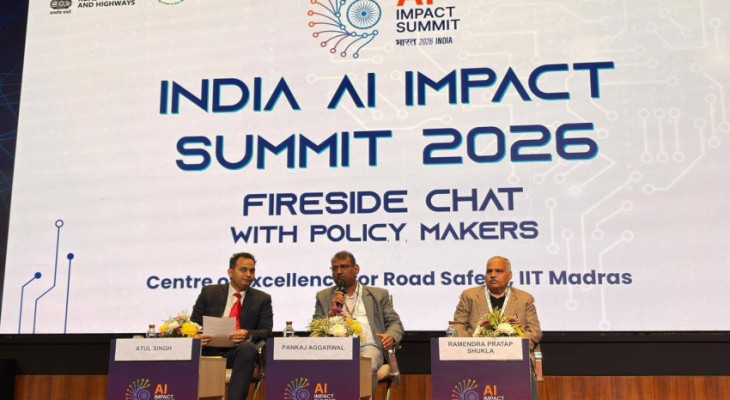
The India AI Impact Summit 2026 served as a platform for showcasing ThinnAI’s capabilities. Experts from various fields gathered to discuss the implications of AI technologies on society and the economy. ThinnAI’s presentation highlighted its potential applications and the transformative impact it could have on several industries.
Industry Applications
ThinnAI has the potential to impact various sectors significantly. Some of the key areas where ThinnAI can be applied include:
- Healthcare: ThinnAI can be utilized for remote patient monitoring, predictive analytics, and personalized medicine, enabling healthcare providers to deliver better patient care.
- Agriculture: The initiative can assist farmers with crop monitoring, pest detection, and yield prediction, leading to increased productivity and sustainability.
- Smart Cities: ThinnAI can contribute to the development of smart city solutions, including traffic management, waste management, and energy optimization.
- Education: AI-driven personalized learning experiences can be developed using ThinnAI, catering to the unique needs of students.
Collaborations and Partnerships
To enhance the capabilities of ThinnAI, IIT Madras is actively seeking collaborations with industry leaders, startups, and academic institutions. These partnerships aim to leverage expertise and resources to further develop and implement ThinnAI solutions across various sectors.
Notable Collaborations
Some of the notable collaborations include:
- Healthcare Institutions: Partnering with hospitals and healthcare providers to develop AI solutions for patient care.
- Agritech Startups: Collaborating with startups focused on agricultural technology to create AI tools for farmers.
- Government Agencies: Working with government bodies to implement AI solutions for public services and infrastructure development.
Challenges and Future Directions
While ThinnAI presents numerous opportunities, it also faces several challenges that need to be addressed to ensure its successful implementation.
Key Challenges
- Data Privacy: Ensuring the privacy and security of data used in AI models is crucial, especially in sensitive sectors like healthcare.
- Infrastructure Limitations: In many regions, inadequate infrastructure can hinder the deployment of AI solutions.
- Skill Gap: There is a need for skilled professionals who can develop and manage AI technologies effectively.
Future Directions
Looking ahead, ThinnAI aims to:
- Expand its reach into more sectors, ensuring that AI technologies are accessible to a broader audience.
- Enhance its models based on user feedback and real-world applications to improve efficiency and effectiveness.
- Focus on ethical AI development, ensuring that AI solutions are fair, transparent, and accountable.
Conclusion
The ThinnAI initiative by IIT Madras represents a significant advancement in making AI technology more accessible and efficient. With its focus on lightweight models, energy efficiency, and scalability, ThinnAI has the potential to transform various industries and improve the quality of life for many. The discussions and presentations at the India AI Impact Summit 2026 highlighted the importance of collaboration and innovation in driving the future of AI in India.
Note: The information presented in this article is based on the developments and discussions surrounding ThinnAI at the India AI Impact Summit 2026 and reflects the ongoing efforts to advance AI technology in India.