QS Asia University Rankings 2026: 7 Indian Institutes in Top 100
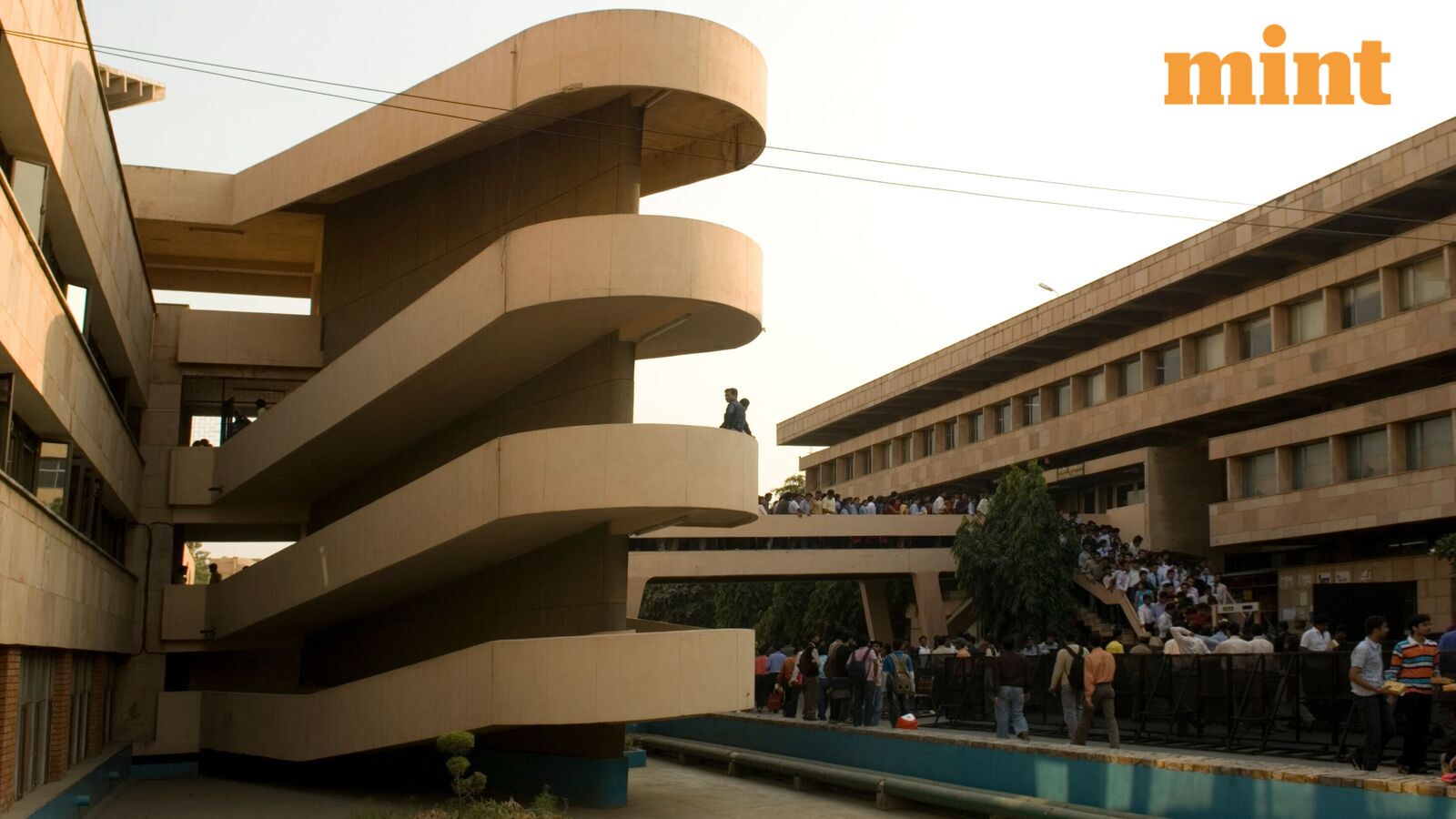
The QS Asia University Rankings for 2026 have been released, showcasing the remarkable performance of Indian institutions in the higher education landscape. For the fifth consecutive year, the Indian Institute of Technology (IIT) Delhi has emerged as the leading Indian institute, securing its position among the top 100 universities in Asia.
Top Indian Institutions in the Rankings
This year, a total of seven Indian institutions made it to the top 100 of the QS Asia University Rankings. The institutes recognized include:
- IIT Delhi
- IIT Madras
- IIT Bombay
- IIT Kanpur
- IIT Kharagpur
- Indian Institute of Science (IISc), Bengaluru
- Delhi University
Overall Performance of Indian Universities
According to the QS rankings, India has made significant strides in higher education. The report indicates that:
- Seven Indian institutions rank in the top 100.
- Twenty institutions are in the top 200.
- Sixty-six institutions are in the top 500.
Compared to the previous year, 36 Indian institutes improved their rankings, while 16 remained stable, and 105 experienced a decline. The fluctuations in rankings reflect a broader trend of volatility observed in this year’s results.
Indicators for Assessment
The QS Asia University Rankings assess universities based on 11 indicators tailored to reflect the unique characteristics of the region. These indicators are designed to differentiate Asian institutions from their global counterparts.
Jessica Turner, CEO of Quacquarelli Symonds (QS), noted, “India’s higher education transformation is now visible in the data. In just five years since the National Education Policy launched, India has built system-level capacity that is globally relevant and locally empowering.”
India’s Research Success
India has demonstrated exceptional performance in research output, particularly in the ‘Papers per Faculty’ indicator. The country boasts:
- Five universities ranked among Asia’s top 10 for ‘Papers per Faculty.’
- Twenty-eight universities in the top 50 for the same category.
- Forty-six universities in the top 100 for ‘Papers per Faculty.’
- Forty-five institutions in the top 100 for ‘Staff with PhD.’
This performance is significantly higher than China’s, which has only two universities in the top 10 and 14 in the top 50.
Leading Institutions in Research
Maulana Abul Kalam Azad University of Technology in West Bengal leads India’s research success, ranking first for ‘Papers per Faculty.’ Other top institutions include:
- Bharathiar University (2nd)
- Indian Institute of Science (3rd)
- Anna University (5th)
- IIT Madras (7th)
In the ‘Staff with PhD’ category, the National Institute of Technology, Nagaland, and Mother Teresa Women’s University share second place regionally. Nine institutions, including IIT Madras and IIT Kanpur, are tied for fourth position.
Conclusion
The results of the QS Asia University Rankings 2026 underscore India’s commitment to enhancing its higher education system. With significant investments in faculty development and research-led teaching, India is positioning itself as a global knowledge leader, fostering innovation, inclusion, and sustainable growth across Asia.
Note: The QS Asia University Rankings are a reflection of the evolving landscape of higher education in Asia, highlighting the achievements and challenges faced by institutions in the region.