There’s a Link Between PM2.5 Pollution and Birth Risks, Researchers Reveal at IIT Delhi Open House
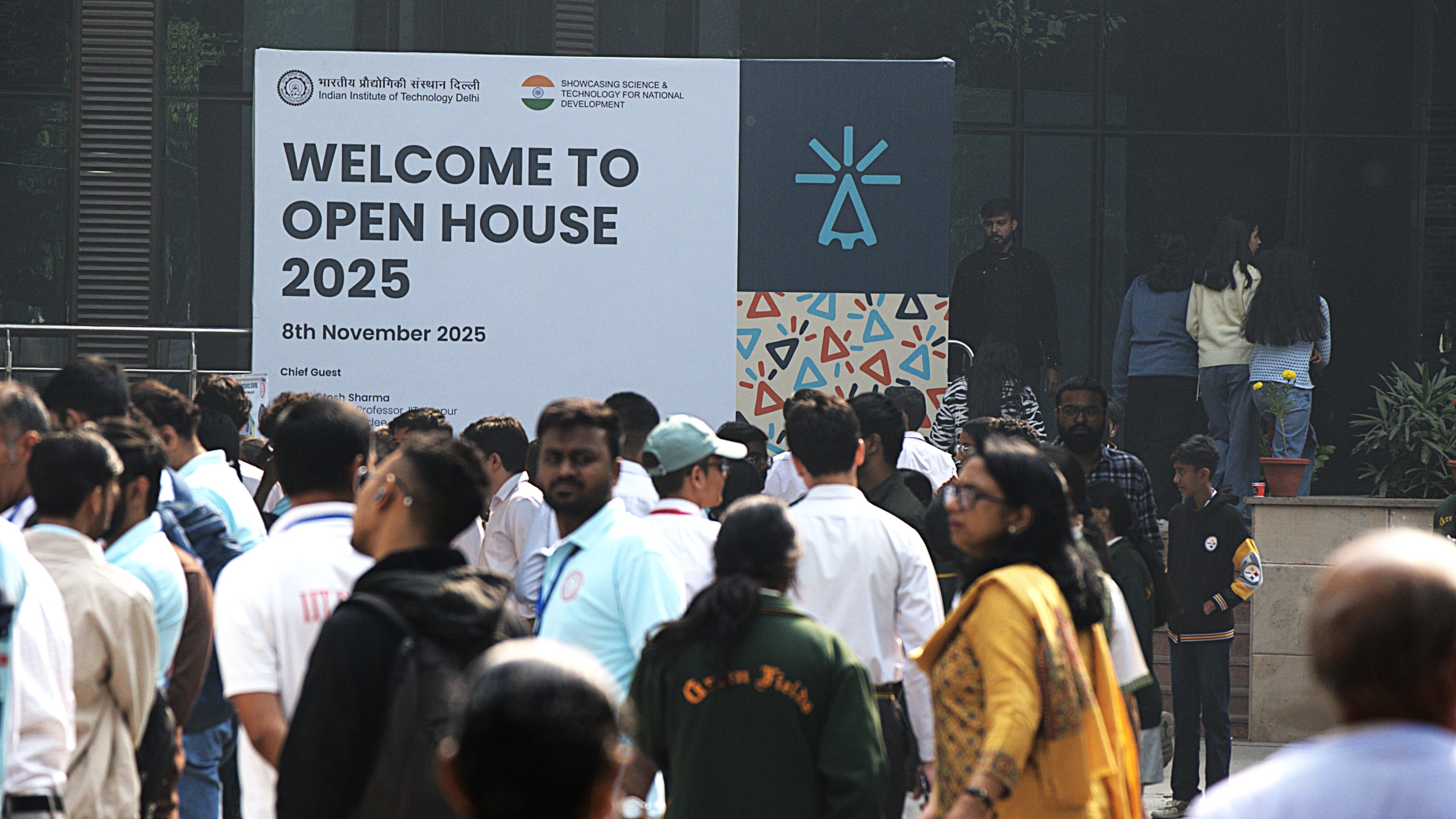
The IIT Delhi Open House, a significant event showcasing scientific advancements, recently highlighted alarming research linking PM2.5 pollution to increased birth risks. This revelation has sparked discussions about the urgent need for environmental health awareness and policy reform.
Understanding PM2.5 Pollution
PM2.5 refers to particulate matter with a diameter of 2.5 micrometers or smaller. These tiny particles can penetrate deep into the lungs and even enter the bloodstream, posing serious health risks. Sources of PM2.5 include:
- Vehicle emissions
- Industrial discharges
- Construction activities
- Residential heating and cooking
- Agricultural burning
The Impact on Maternal and Infant Health
Research presented at the Open House revealed that exposure to PM2.5 during pregnancy is associated with several adverse outcomes, including:
- Low birth weight
- Preterm births
- Increased risk of congenital disabilities
- Potential developmental delays in infants
These findings underscore the importance of addressing air quality as a public health priority, particularly for vulnerable populations such as pregnant women and infants.
Research Methodology
The study conducted by researchers at IIT Delhi involved a comprehensive analysis of air quality data and health records. Key aspects of the research methodology included:
- Longitudinal studies tracking pregnant women in areas with varying levels of PM2.5 exposure.
- Statistical analysis to correlate air quality data with birth outcomes.
- Collaboration with healthcare facilities to gather accurate health records.
Such rigorous research methods lend credibility to the findings and highlight the need for further investigation into the long-term effects of air pollution on health.
Policy Implications
The implications of this research are profound, calling for immediate action from policymakers. Recommendations include:
- Implementing stricter air quality regulations.
- Promoting clean energy alternatives to reduce emissions.
- Raising public awareness about the health risks associated with air pollution.
- Encouraging research funding for further studies on environmental health.
By prioritizing these actions, governments can protect maternal and infant health and improve overall public health outcomes.
Community Awareness and Action
In addition to policy changes, community awareness plays a crucial role in addressing the issue of PM2.5 pollution. Local initiatives can include:
- Educational programs on the health impacts of air pollution.
- Community clean-up events to reduce local sources of pollution.
- Advocacy for greener transportation options.
Engaging the community in these efforts can foster a collective responsibility towards improving air quality and health.
Conclusion
The research presented at the IIT Delhi Open House serves as a wake-up call regarding the dangers of PM2.5 pollution, particularly its impact on birth risks. As the evidence mounts, it is crucial for individuals, communities, and governments to take action to mitigate these risks. Only through concerted efforts can we hope to create a healthier environment for future generations.
Note: The information presented in this article is based on research findings and aims to raise awareness about the health impacts of air pollution.