IIT Jodhpur Scientists Discover Natural Human Protein That Can Prevent Drug-Resistant Biofilm Formation
Published on February 23, 2026, by ETV Bharat English Team
Introduction
Scientists at the Indian Institute of Technology Jodhpur (IIT Jodhpur) have made a groundbreaking discovery regarding a naturally occurring human protein that has the potential to prevent the formation of dangerous and drug-resistant bacterial biofilms. This finding addresses a significant challenge in the field of chronic infections and Antimicrobial Resistance (AMR).
Understanding Biofilms
Biofilms are clusters of bacteria that adhere to surfaces and are encased in a protective layer composed of proteins, sugars, and DNA. These biofilms are a major contributor to persistent infections and significantly reduce the effectiveness of antibiotics. They often develop in severe infections associated with medical devices such as:
- Catheters
- Artificial heart valves
- Bone implants
- Non-healing wounds
Once formed, biofilms can make bacteria up to 1,000 times more resistant to antibiotics compared to their free-floating counterparts. This resistance poses a serious challenge for healthcare providers in treating long-term infections.
The Role of Curli in Biofilm Formation
Infections caused by the bacterium E. coli are particularly troublesome due to the role of a key protein known as Curli. Curli acts as a structural scaffold, facilitating the attachment of bacteria to surfaces and to one another, thereby promoting biofilm formation. The IIT Jodhpur research team has identified a promising solution to combat this issue.
Discovery of β2-microglobulin
The research team discovered that β2-microglobulin (β2m), a protein naturally present in the human body, can inhibit the formation of Curli at its early stages. Instead of directly killing the bacteria, β2-microglobulin weakens their protective structure by preventing Curli formation, effectively stopping the biofilm from developing altogether.
Implications of the Research
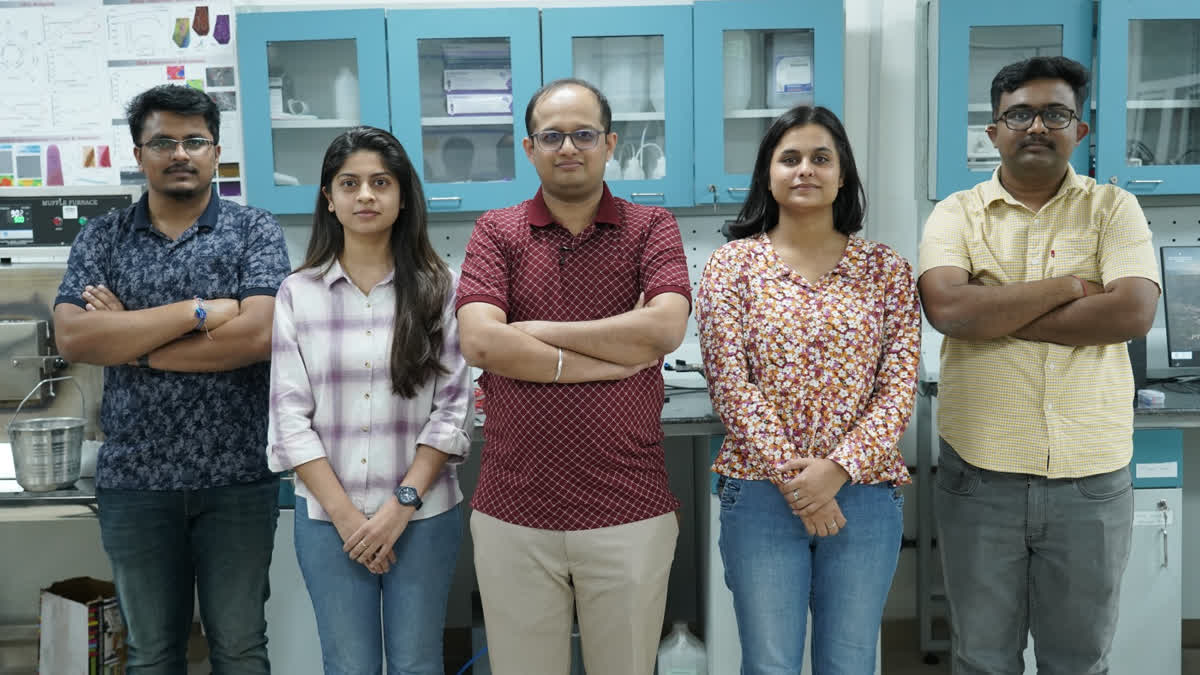
Dr. Neha Jain, a lead researcher on the project, emphasized the significance of this approach. “This method is particularly promising because it does not directly kill bacteria. The risk of developing resistance is reduced by targeting the protective shield rather than the bacteria themselves,” she explained. This innovative strategy could pave the way for new therapies inspired by the body’s own biological systems, offering a safer and more sustainable treatment option.
Addressing Antimicrobial Resistance (AMR)
AMR is recognized as one of the world’s most pressing health challenges. Traditional antibiotics work by killing bacteria, but this can lead to the emergence of resistant strains over time. The IIT Jodhpur study suggests an alternative strategy: instead of killing bacteria, the focus should be on weakening their protective biofilm shield. Utilizing molecules already present in the human body could help develop safer treatment options that are less likely to contribute to resistance.
Importance of the Research
This research is significant for several reasons:
- It weakens the bacteria’s protective shield rather than directly killing them.
- It reduces the likelihood of bacteria developing resistance.
- It offers a new treatment pathway distinct from conventional antibiotics.
- It may also have potential applications in improving wound healing.
Future Directions
The implications of this research extend beyond just treating infections. The potential applications of β2-microglobulin could revolutionize how we approach not only chronic infections but also other medical fields where biofilm formation is a concern. Further research is needed to fully explore these possibilities and to develop therapies that can be integrated into clinical practice.
Conclusion
The discovery made by IIT Jodhpur scientists marks a significant advancement in the fight against drug-resistant infections. By utilizing a natural human protein to inhibit biofilm formation, this research opens up new avenues for treatment that could mitigate the growing threat of AMR. As the medical community continues to grapple with the challenges posed by resistant bacteria, innovations such as these may provide much-needed solutions.
Note: This article is based on findings published in the Proceedings of the National Academy of Sciences (PNAS), USA.