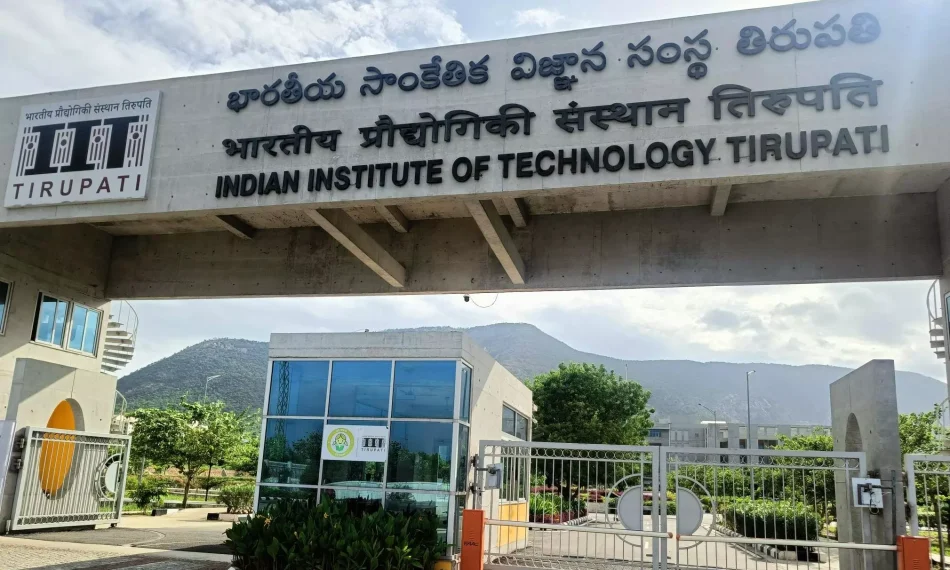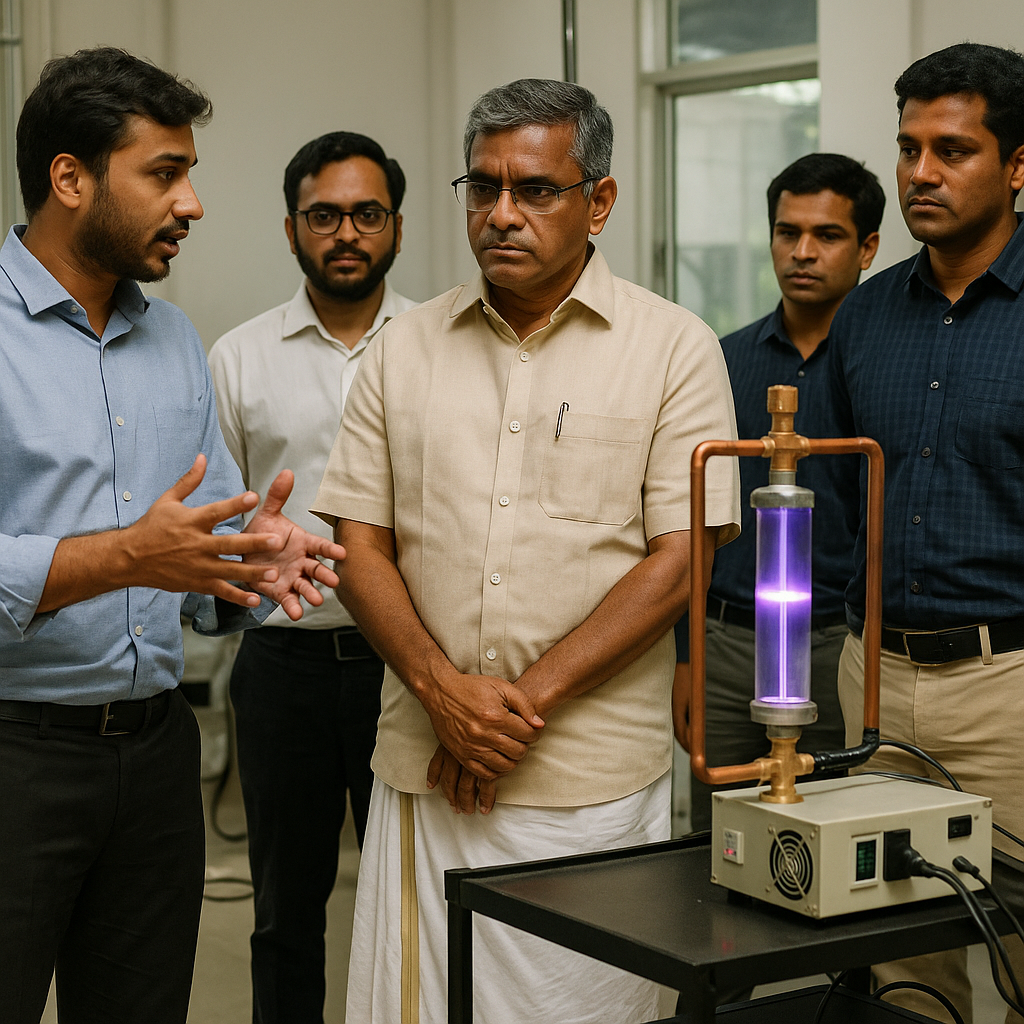
IIT Tirupati presents advanced plasma technology to Tirupati collector
Tirupati, February 2, 2026 – The Indian Institute of Technology (IIT) Tirupati has made significant strides in the field of plasma technology, showcasing its advanced non-thermal plasma systems to the Tirupati District Collector, Dr. Venkateswar. This demonstration highlighted the innovative applications of plasma science in various sectors, including agriculture, environmental protection, and industrial processing.
Overview of the Plasma Research Group
The Plasma Research Group at IIT Tirupati, led by esteemed faculty members Prof. Shihabudheen M Maliyekkal and Dr. Reetesh Kumar Gangwar, has been at the forefront of developing scalable plasma systems. These systems are designed for the decentralized production of nutrient-rich liquid fertilizers, which can significantly benefit agricultural practices.
Innovative Applications of Non-Thermal Plasma Technology
The showcased technology utilizes non-thermal plasma to convert atmospheric nitrogen into water-soluble nitrates and reactive species. These compounds are easily absorbed by crops, offering a sustainable alternative to traditional chemical fertilizers. This innovation not only reduces reliance on imported fertilizers but also promotes a greener approach to agriculture.
Benefits of the Technology
- Sustainable Fertilization: The technology provides a way to generate nutrient-rich fertilizers from atmospheric nitrogen, which is abundant and free.
- Environmental Protection: By reducing the need for chemical fertilizers, this technology helps in minimizing environmental pollution.
- Biocidal Properties: The non-thermal plasma system exhibits biocidal properties, effectively neutralizing pathogens, fungi, and food toxins without leaving harmful residues.
- Support for Plant Health: The dual benefits of nutrient generation and green disinfection support overall plant health, enhance seed germination rates, and improve crop resilience.
Energy Efficiency and Operating Conditions
One of the remarkable features of the non-thermal plasma technology is its ability to operate at near-ambient temperatures. This characteristic allows the generation of reactive oxygen and nitrogen species without the need for added chemicals, making it an energy-efficient solution for various applications, including seed treatment and wastewater purification.
Applications in Agriculture and Beyond
The implications of this technology extend beyond agriculture. The ability to purify wastewater using non-thermal plasma can have a significant impact on environmental management and sustainability. By treating wastewater effectively, the technology can contribute to cleaner water sources and reduce the burden of pollutants on ecosystems.
Recognition from District Collector
During the demonstration, Dr. Venkateswar expressed his admiration for the innovative work being done at IIT Tirupati. He described the plasma technology as “very interesting” and commended the institute for its practical applications of plasma science. His recognition underscores the importance of such innovations in addressing contemporary challenges in agriculture and environmental sustainability.
Future Prospects
The advancements in plasma technology presented by IIT Tirupati hold great promise for the future. As the world faces increasing challenges related to food security, environmental degradation, and sustainability, innovations like these are crucial. The potential for decentralized production of fertilizers and the effective treatment of wastewater can lead to more resilient agricultural practices and a healthier environment.
Collaboration and Development
Moving forward, collaboration between research institutions, government bodies, and the agricultural sector will be essential to fully realize the benefits of this technology. By working together, stakeholders can develop strategies to implement these innovations on a larger scale, ensuring that they reach the farmers and communities that need them most.
Conclusion
The presentation of advanced plasma technology by IIT Tirupati to the Tirupati District Collector marks a significant milestone in the application of scientific research for practical solutions. The innovative work being done in the Plasma Research Group not only showcases the potential of plasma science but also highlights the importance of sustainable practices in agriculture and environmental management.
Note: The information presented in this article is based on the latest updates from IIT Tirupati and aims to provide insights into the advancements in plasma technology and its applications.