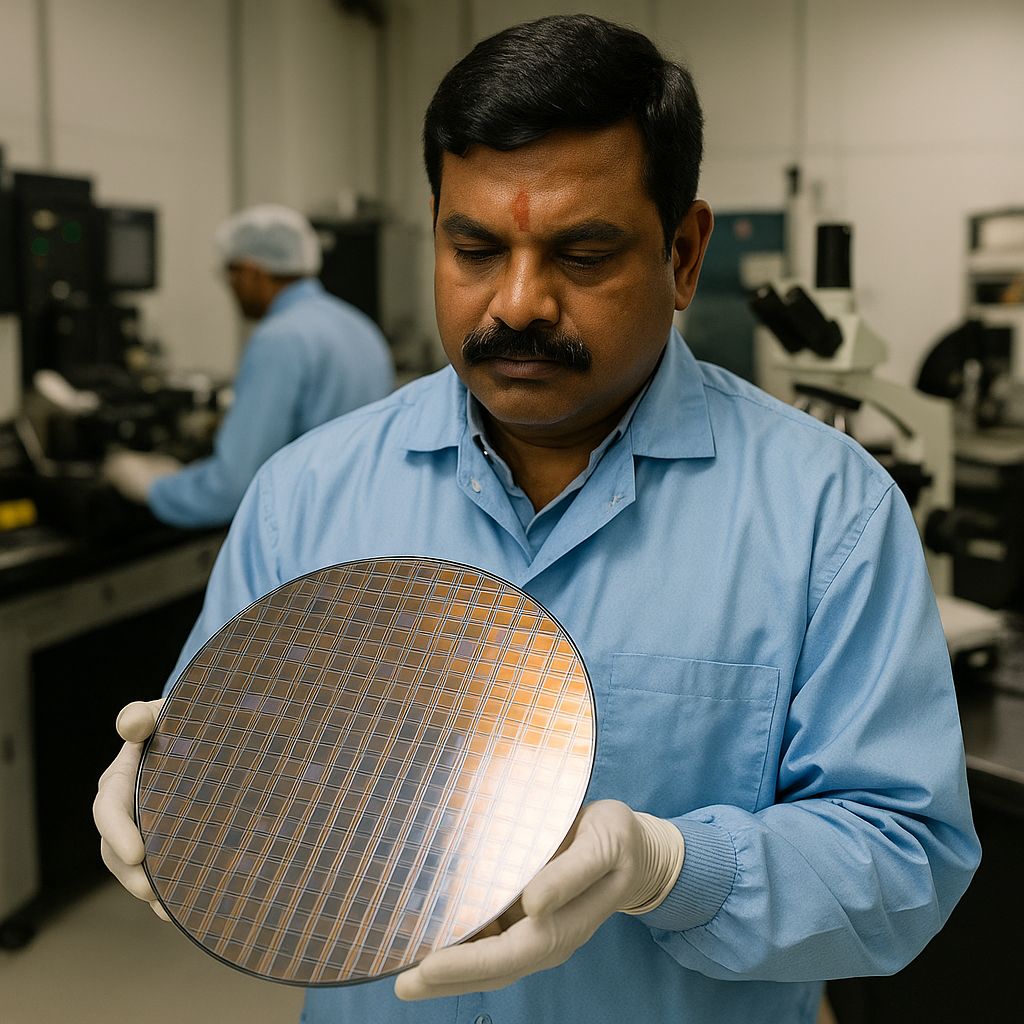
IIT Bhubaneswar emerges as 'semiconductor hub': Odisha Minister
On February 12, 2026, Odisha’s Electronics and Information Technology (E&IT) Minister, Mukesh Mahaling, announced that the Indian Institute of Technology (IIT) Bhubaneswar is making significant strides towards becoming a leading semiconductor hub in India. This statement was made during a function commemorating the 18th Foundation Day of the institute.
Significance of the Announcement
Minister Mahaling emphasized the institute’s commitment to high-end research, innovation, and collaboration with the industry. He stated, “IIT Bhubaneswar is deeply involved in high-end research, innovation, and exchange of ideas with industry, and is now moving decisively towards becoming a Power Semiconductor Hub.”
Key Projects Supporting the Initiative
Several major projects are currently underway to bolster Odisha’s position in the semiconductor industry:
- SicSem Semiconductor Unit: A dedicated facility aimed at advancing semiconductor research and development.
- SDM Park: A semiconductor and electronic system design manufacturing park that will enhance industry collaboration.
- Namo Semiconductor Lab: A specialized lab focusing on semiconductor technologies.
Investments in Technology and Innovation
Minister Mahaling highlighted the importance of focused investments in various technological domains. These include:
- Artificial Intelligence: Enhancing capabilities in AI to drive innovation.
- Data Centres: Establishing infrastructure to support data processing and storage needs.
- Graphics Processing Units (GPUs): Investing in advanced computing technologies essential for modern applications.
These investments aim to position Odisha as a leading technology and innovation ecosystem, contributing to India’s goal of becoming self-reliant and achieving the vision of a developed nation by 2047.
Industry Perspectives
During the event, Saroj Patnaik, Chairman of the Patnaik Group of Industries and Trustee of the Rabisons Foundation, spoke about the transformative impact of technology on society. He stated, “Technology is rapidly transforming society, from healthcare to energy, and institutions like IIT Bhubaneswar are at the forefront of this change.”
Patnaik encouraged students to take advantage of the research ecosystem at IIT Bhubaneswar. He urged them to “leverage IIT Bhubaneswar’s research ecosystem, take informed risks, and build solutions that drive India’s industrial and social progress.”
IIT Bhubaneswar’s Vision for the Future
Professor Shreepad Karmalkar, Director of IIT Bhubaneswar, elaborated on the institute’s evolution into a vibrant campus focused on learning and innovation. He stated, “The research and entrepreneurship park being constructed by IIT Bhubaneswar in the third phase, along with the Odisha government’s 223-acre semiconductor and electronic system design manufacturing park, will significantly strengthen industry-academia collaboration.”
This collaboration is expected to contribute meaningfully to the vision of “Viksit Bharat 2047,” which aims at a developed and prosperous India.
Conclusion
The developments at IIT Bhubaneswar and the surrounding initiatives signify a pivotal moment for Odisha in the semiconductor sector. With strong governmental support, industry collaboration, and a focus on research and innovation, the region is well on its way to establishing itself as a key player in the semiconductor industry.
Note: This article is based on statements made during the 18th Foundation Day of IIT Bhubaneswar and reflects the ongoing efforts to position Odisha as a semiconductor hub.