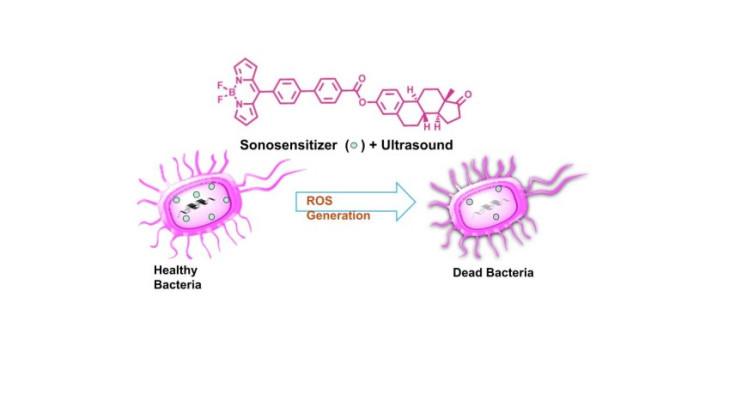
IIT Gandhinagar Researchers Develop Ultrasound-Activated Molecules To Target Antibiotic-Resistant Bacteria
In recent years, the rise of antibiotic-resistant bacteria has become a significant public health concern worldwide. Traditional antibiotics are becoming less effective, leading to increased morbidity and mortality rates associated with bacterial infections. In an innovative approach to combat this growing threat, researchers at the Indian Institute of Technology (IIT) Gandhinagar have developed a novel method that utilizes ultrasound-activated molecules to target and eliminate antibiotic-resistant bacteria.
The Challenge of Antibiotic Resistance
Antibiotic resistance occurs when bacteria evolve and develop the ability to defeat the drugs designed to kill them. This phenomenon is exacerbated by the overuse and misuse of antibiotics in both human medicine and agriculture. According to the World Health Organization (WHO), antibiotic-resistant infections could lead to 10 million deaths annually by 2050 if no effective solutions are found.
The challenge is not only to find new antibiotics but also to develop innovative strategies that can effectively target resistant strains of bacteria. The IIT Gandhinagar research team has taken a significant step in this direction by exploring the potential of ultrasound technology combined with specially designed molecules.
Ultrasound Technology in Medicine
Ultrasound is a non-invasive imaging technique commonly used in medical diagnostics. However, its application in therapeutic settings has gained traction in recent years. Ultrasound can be used to enhance drug delivery, promote tissue healing, and even activate certain therapeutic agents. The IIT Gandhinagar team’s research leverages these properties to create a new class of antibacterial agents.
How Ultrasound-Activated Molecules Work
The researchers have developed molecules that can be activated by ultrasound waves. These molecules are designed to target specific bacterial cells, particularly those that exhibit antibiotic resistance. When exposed to ultrasound, the molecules undergo a chemical transformation that enhances their antibacterial properties.
This mechanism operates on the principle of cavitation, which is the formation of vapor cavities in a liquid. When ultrasound waves pass through a liquid medium, they create high-pressure and low-pressure cycles. During the low-pressure phase, tiny bubbles form, and during the high-pressure phase, these bubbles collapse violently, generating localized high temperatures and pressures. This process can activate the molecules, enabling them to disrupt bacterial cell membranes or interfere with their metabolic processes.
Research Findings
The research team conducted a series of experiments to evaluate the efficacy of the ultrasound-activated molecules against various strains of antibiotic-resistant bacteria. The results were promising, showing a significant reduction in bacterial viability when the molecules were activated by ultrasound. The study demonstrated that this approach could effectively target and kill resistant bacteria without harming surrounding healthy cells.
Advantages of Ultrasound-Activated Molecules
The use of ultrasound-activated molecules presents several advantages over traditional antibiotic treatments:
- Targeted Action: The molecules can be designed to specifically target resistant bacteria, minimizing damage to beneficial flora.
- Reduced Side Effects: By focusing on the bacteria rather than the host, the risk of side effects associated with traditional antibiotics may be lowered.
- Enhanced Efficacy: The activation process can increase the potency of the antibacterial agents, making them more effective against resistant strains.
- Non-Invasive Approach: Ultrasound is a non-invasive technique, which can be more acceptable for patients compared to other treatment modalities.
Future Implications
The implications of this research are significant. If further studies confirm the efficacy and safety of ultrasound-activated molecules, this technology could pave the way for new treatments for infections caused by antibiotic-resistant bacteria. The researchers are optimistic about the potential applications of this technology in clinical settings, particularly in treating chronic infections that are difficult to manage with existing antibiotics.
Moreover, this research aligns with global efforts to find alternative solutions to combat antibiotic resistance. The development of innovative therapies is crucial in the fight against superbugs, which pose a serious threat to public health.
Conclusion
The research conducted by IIT Gandhinagar represents a promising advancement in the battle against antibiotic-resistant bacteria. By harnessing the power of ultrasound to activate specially designed molecules, the researchers have opened up new avenues for effective antibacterial treatments. As the world grapples with the growing challenge of antibiotic resistance, such innovative approaches may be key in safeguarding public health and ensuring effective treatment options for bacterial infections in the future.
Note: The findings from this research are still in the experimental stages, and further studies are necessary to evaluate the long-term efficacy and safety of ultrasound-activated molecules in clinical settings.