Codar, Bethora Villagers Continue to Oppose Proposed IIT-Goa Campus
Residents of Codar and Kasamshel Bethora are expressing increasing concern over the proposed establishment of an Indian Institute of Technology (IIT) campus in their region. The villagers fear that the project could encroach upon fertile agricultural land, leaving them landless and without means of livelihood. The opposition to the IIT project is gaining momentum, attracting support from both local villagers and political leaders from outside the area.
Community Concerns
The lack of a clear response from the local panchayat, Codar Comunidade, and local MLA and WRD Minister Subash Shirodkar has left residents feeling anxious and restless. With a deadline of September 19 for submitting objections to the project, villagers have already filed their concerns but have yet to receive any official feedback.
“We have been given saplings of cashew and coconut by the government, but where will we plant them if IIT claims our land?” asked Resha Gaude, a senior woman from the village.
Gaude’s sentiment reflects the frustration of many villagers who feel neglected by their elected representatives. “Outsiders come and offer support, but when will our Sarpanch and Minister meet us? Every election we vote for them, yet where are they now?” she questioned.
Land Disputes
The villagers assert that there are a total of 36 tenants recorded on the Comunidade land in question. While the locals maintain that the land is fertile and suitable for agriculture, a recent Gazette notification describes it as barren and rocky, raising further doubts about the government’s intentions.
Political Support
Priol MLA and Tribal leader Govind Gaude recently visited the site and confirmed its cultivability, promising to support the farmers in their fight against the project. Similarly, AAP leader Amit Palyekar and former Shiroda MLA Mahadev Naik have pledged their support to the villagers in protecting their agricultural land.
Despite these assurances from political figures, residents claim they have not received any concrete commitments from local authorities or stakeholders regarding the IIT project.
Official Responses
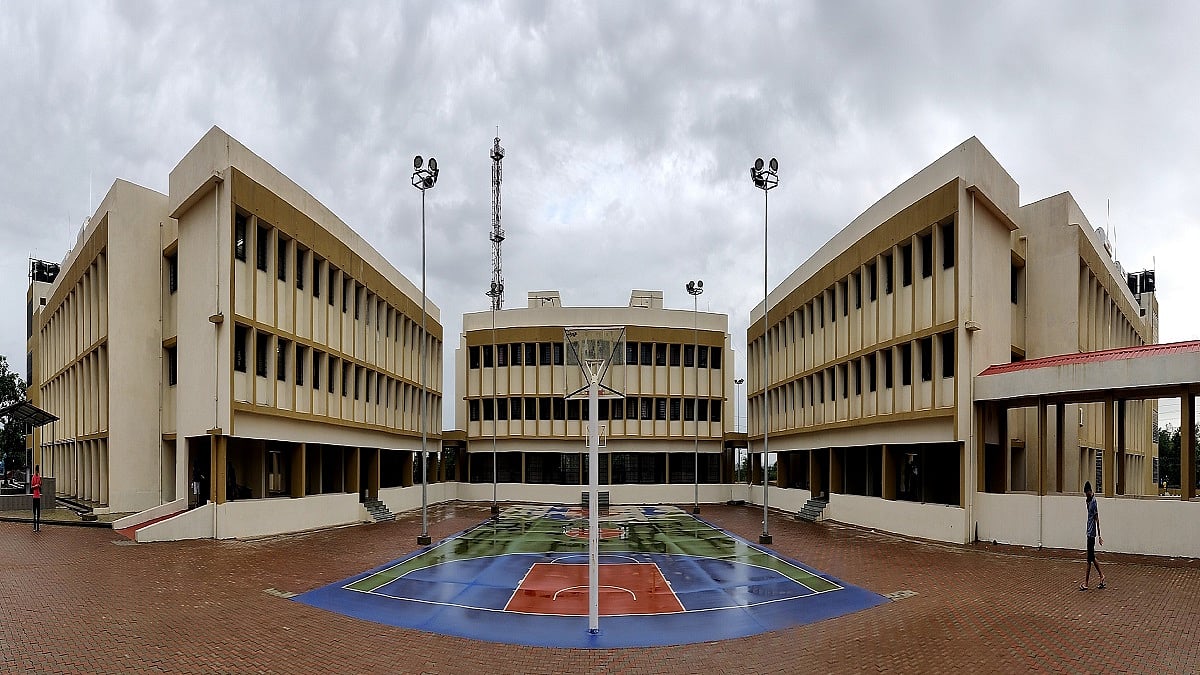
The Government Gazette published last month announced that a 14.63 lakh square meter plot of land, classified as uncultivated, unused, and rocky, belonging to Codar Comunidade (Survey No. 63/2), has been proposed on a perpetual lease basis for the establishment of the IIT-Goa campus.
Community and Panchayat Stance
Dilip Gaonkar, President of Codar Comunidade, stated that no decision has yet been made regarding the IIT proposal. “The government proposal is still in its preliminary stage, and the Comunidade members have not yet deliberated on it,” he added.
Bethora-Nirankal-Conshem-Codar Sarpanch Madu Khandeparkar mentioned that the panchayat has not received any official communication from the government and therefore cannot comment on the matter. “I contacted a Comunidade member after hearing villagers’ concerns through media reports, but even he had no proper information on the proposal,” Khandeparkar said.
Local MLA’s Assurance
Shiroda MLA and WRD Minister Subash Shirodkar assured villagers that he would submit their memorandum to the Chief Minister. However, when pressed for his stance on the project, he stated he would meet with the villagers to discuss the matter further—a response that has done little to alleviate the residents’ concerns.
Community Actions
In light of the ongoing uncertainty, villagers have conducted several internal meetings and held two public gatherings to voice their opposition to the IIT project. The situation remains tense as locals continue to demand clarity from authorities on the proposed campus and its potential impact on their land and livelihoods.
Conclusion
The opposition from the villagers of Codar and Bethora highlights the complexities surrounding land use, development, and the rights of local communities. As the deadline for objections approaches, the future of the proposed IIT-Goa campus hangs in the balance, with residents seeking answers and assurances from their leaders.
Note: The situation is evolving, and further developments are expected as the community continues to engage with local authorities and stakeholders.