One In Four Indian Breast Cancer Patients Carries Inherited Genetic Variant Beyond BRCA Genes: IIT Madras Study
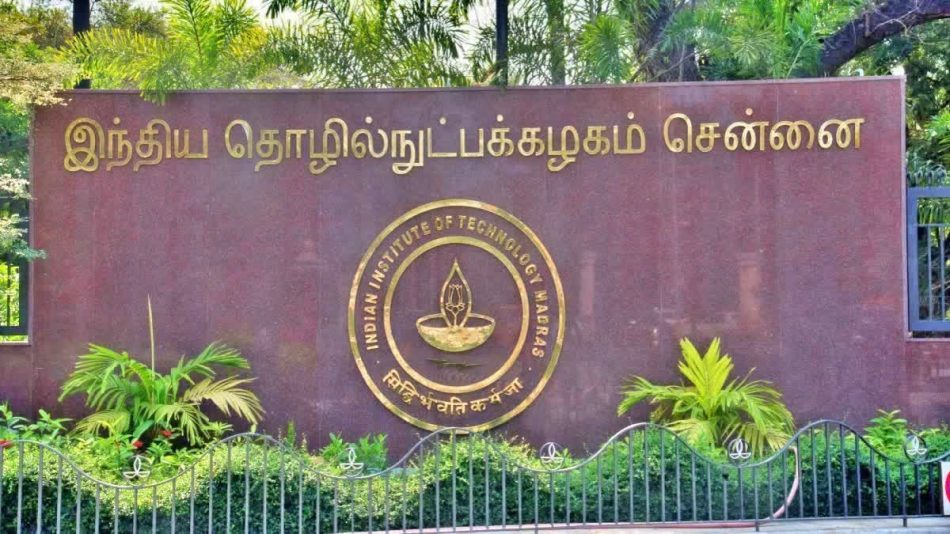
Chennai: A significant study conducted by the Indian Institute of Technology Madras (IIT Madras), in collaboration with Karkinos Healthcare Pvt. Ltd., has revealed that nearly one in four Indian breast cancer patients carries an inherited genetic variant linked to cancer risk. This groundbreaking research, which involved Kumaran Hospital and Chennai Breast Centre, indicates that the majority of these variants occur outside the well-known BRCA1 and BRCA2 genes.
Study Overview
The findings of this extensive study were published in BMC Cancer, a prestigious journal specializing in oncology. The research was co-authored by a team of experts, including John Peter, Jayalakshmi Jothi, Avrajit Chakraborty, and Prof. S. Mahalingam from the National Cancer Tissue Biobank at IIT Madras, along with contributors from Karkinos Healthcare Pvt. Ltd., Kumaran Hospital, and Chennai Breast Centre.
Research Methodology
The study analyzed germline DNA from 479 unselected breast cancer patients, utilizing samples sourced from the National Cancer Tissue Biobank at IIT Madras. This dataset represents one of the most comprehensive collections of hereditary breast cancer data generated in India to date. It is now part of the Bharat Cancer Genome Atlas, which serves as the country’s first and largest open-source cancer genome data resource.
Key Findings
Prof. S. Mahalingam, the lead author of the study, emphasized the implications of these findings for clinical practice, public health policy, and national cancer guidelines. He stated, “With approximately one in four Indian breast cancer patients carrying an inherited pathogenic variant, and most of these variants lying outside BRCA1/2, the study makes a compelling case for shifting from BRCA-only testing to broader multi-gene panel or exome-based germline testing in India.”
Need for Variant Databases
The study also highlighted the necessity for India and South Asia-specific variant databases and interpretation frameworks. This is crucial to avoid misclassification and ensure accurate risk assessment in diverse populations.
Secondary Health Risks Identified
Dr. John Peter, the first author of the study, noted that the research uncovered important secondary health risks. More than 21 percent of patients carried actionable variants in non-cancer genes associated with various conditions, including:
- Marfan syndrome
- Malignant hyperthermia susceptibility
- Inherited cardiac arrhythmias
- Familial hypercholesterolemia
Additionally, about 8 percent of patients were found to be carriers of recessive metabolic and genetic disorders, such as biotinidase deficiency and Wilson disease.
Pharmacogenomics and Chemotherapy Safety
Dr. Bani Jolly emphasized the importance of pharmacogenomics in ensuring chemotherapy safety. The study identified clinically significant DPYD variants known to cause severe toxicity with fluoropyrimidine drugs, such as 5-FU and capecitabine. The researchers detected the following variants in measurable frequencies within the Indian cohort:
- c.1679T>G (HapB3) variant in 3.13 percent of patients
- c.1905+1G>A variant in 1.67 percent of patients
This supports the strong consideration for routine DPYD genotyping prior to treatment initiation.
Examination of Cancer Susceptibility Genes
The research team examined 97 cancer susceptibility genes, including BRCA1, BRCA2, and 15 genes involved in the homologous recombination repair pathway. Variants were classified using internationally accepted ACMG/AMP guidelines.
Findings on Pathogenic Variants
The study revealed that 24.6 percent of patients carried at least one pathogenic or likely pathogenic variant. Notably, only 8.35 percent had BRCA1 or BRCA2 variants, while a significantly larger proportion, 11.9 percent, had inherited pathogenic variants in genes belonging to the homologous recombination repair pathway. Overall, 67 percent of all positive findings occurred in non-BRCA genes, including:
- MLH1
- NF1
- TP53
- RB1
This indicates that the inherited landscape of breast cancer risk in India is far more complex than previously understood.
Regional and Population-Specific Variants
The researchers also identified multiple ancestry-specific pathogenic variants that were either absent or extremely rare in global datasets. Among these were an India-enriched BRCA1 variant, c.68_69delAG, and potential India-specific variants in the RECQL gene. Several RECQL variants commonly reported in studies from Quebec, Poland, and China were not observed in the Indian cohort, underscoring the regional and population-driven differences in genetic risk patterns.
Conclusion
This comprehensive study marks a significant advancement in understanding the genetic landscape of breast cancer in India. It underscores the importance of tailored genetic testing and the need for further research to develop effective cancer risk assessment strategies in diverse populations.
Note: The findings of this study highlight the complexity of genetic factors in breast cancer and the necessity for personalized approaches in cancer genetics and treatment.