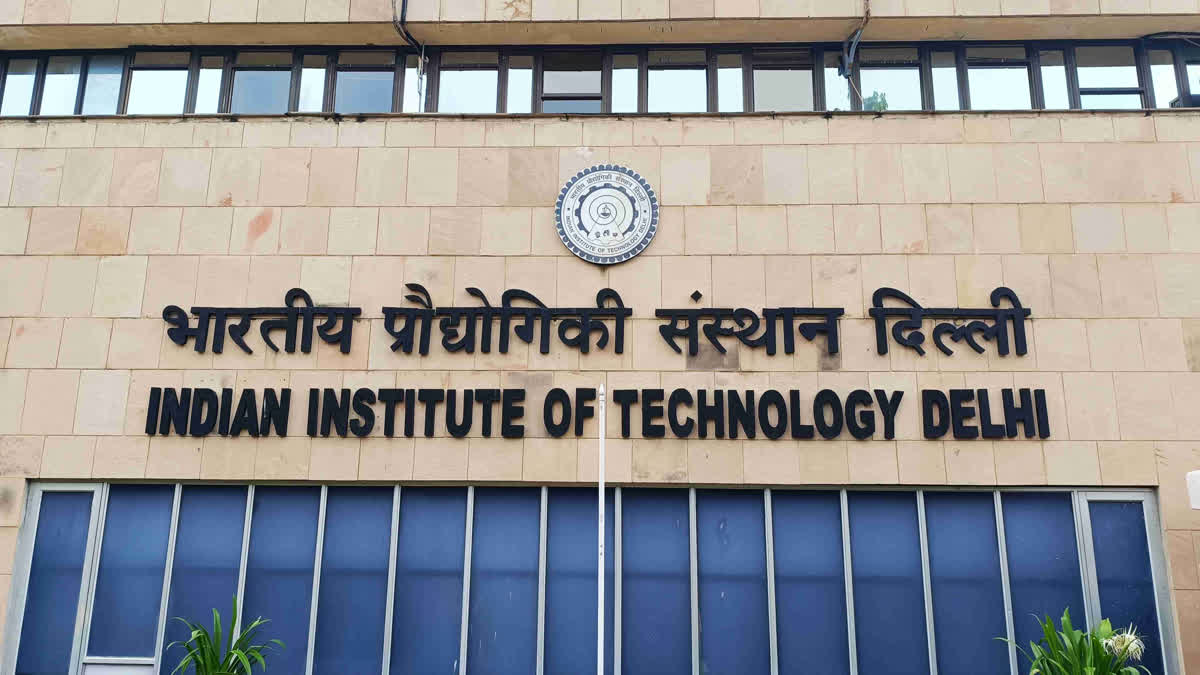
IITs See Opportunity in Trump’s H-1B Curbs
The Indian Institutes of Technology (IITs) have long been recognized as premier engineering and technology institutions in India. With the recent changes in the H-1B visa policy under the Trump administration, IITs are beginning to see these restrictions not just as challenges, but as opportunities for growth and innovation.
Understanding the H-1B Visa Program
The H-1B visa program allows U.S. companies to employ foreign workers in specialty occupations. This visa has been particularly popular among Indian professionals, especially those in the technology sector. However, the Trump administration’s tightening of the H-1B visa process has led to increased scrutiny and a more challenging environment for applicants.
Impact of H-1B Restrictions
The restrictions on the H-1B visa have resulted in several significant impacts:
- Decreased Opportunities: Many Indian students and professionals seeking employment in the U.S. have found it increasingly difficult to secure H-1B visas.
- Increased Competition: With fewer visas available, competition among applicants has intensified, making it even harder for individuals to stand out.
- Shift in Focus: Companies may begin to look for talent closer to home, prompting a shift in focus towards local hiring.
How IITs are Responding
In light of these changes, IITs are adapting their strategies to better prepare their students for a changing job market. Here are some of the proactive measures being taken:
Enhanced Curriculum
IITs are revising their curricula to include more practical and industry-relevant skills. This includes:
- Incorporating emerging technologies such as artificial intelligence, machine learning, and data science into the coursework.
- Fostering entrepreneurship through specialized programs and incubators.
- Encouraging interdisciplinary studies to equip students with diverse skill sets.
Focus on Domestic Opportunities
With the H-1B visa situation becoming more uncertain, IITs are emphasizing the importance of domestic job markets. They are:
- Building partnerships with Indian companies to create job opportunities for graduates.
- Encouraging students to consider careers in startups and other local enterprises.
- Promoting internships and co-op programs that connect students with Indian industries.
International Collaborations
While the U.S. remains a popular destination for Indian graduates, IITs are also exploring collaborations with universities and companies in other countries. This includes:
- Establishing exchange programs with institutions in Europe, Canada, and Australia.
- Creating joint research initiatives that allow students to gain international experience.
- Fostering global networks that can provide alternative pathways for employment.
Long-term Implications
The long-term implications of the H-1B visa restrictions could lead to a significant shift in the landscape of higher education and employment for Indian graduates. Some potential outcomes include:
- Increased Innovation: As students focus more on entrepreneurship and local opportunities, there may be a surge in startups and innovative solutions emerging from India.
- Stronger Domestic Economy: By retaining talent within India, the local economy may benefit from a more skilled workforce.
- Global Competitiveness: IITs may position themselves as global leaders in technology education, attracting international students and partnerships.
Conclusion
The IITs’ response to the H-1B visa curbs reflects a proactive approach to navigating challenges in the global job market. By enhancing their educational offerings and focusing on domestic and international opportunities, IITs are not only preparing their students for success but also contributing to the growth of India’s economy. As the landscape continues to evolve, the adaptability of these institutions will play a crucial role in shaping the future of technology education in India.
Note: The information presented in this article is based on developments up to October 2023 and may be subject to change as new policies and trends emerge.