
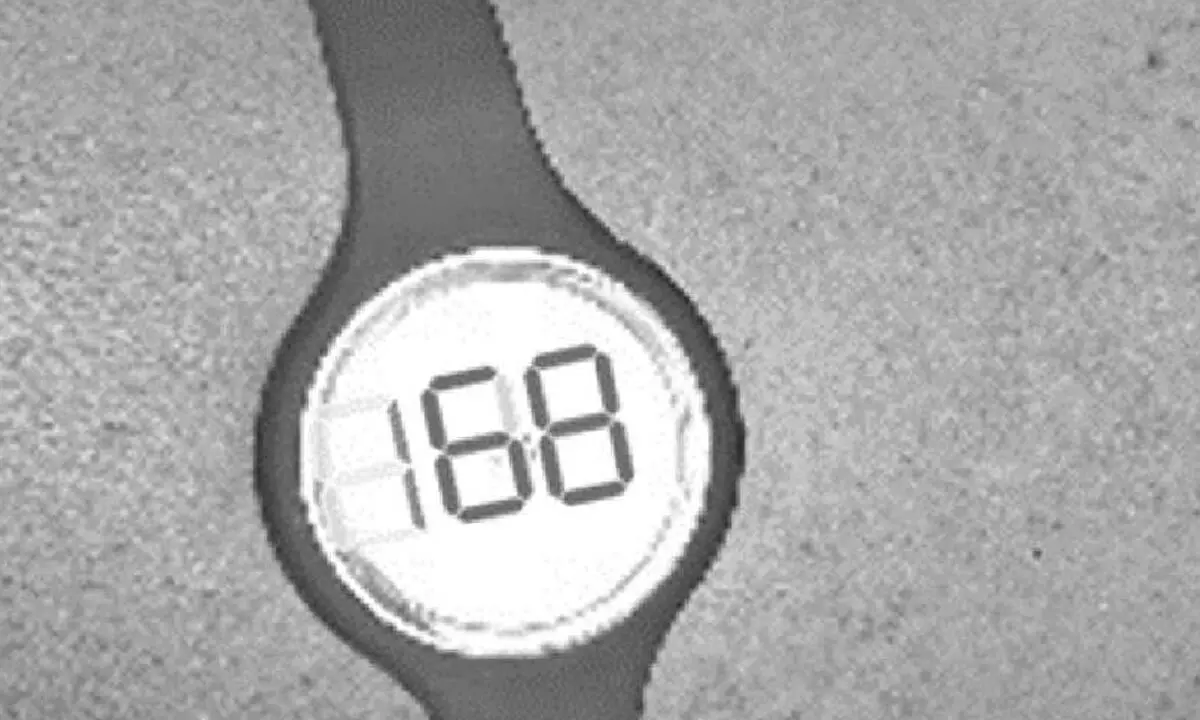
IIT Madras Unveils Low-Cost, Minimally Invasive Glucose Monitor
On November 17, 2025, researchers at the Indian Institute of Technology Madras (IIT Madras) announced the development of a groundbreaking glucose monitoring device aimed at improving the lives of diabetes patients. This innovative device is designed to be cost-effective, user-friendly, and minimally invasive, addressing significant challenges faced by individuals managing diabetes.
The Need for Innovation in Diabetes Monitoring
According to a study by the Indian Council of Medical Research – India Diabetes (ICMR INDIAB), published in 2023, approximately 10.1 crore people in India are living with diabetes. Traditional methods of monitoring blood glucose levels, such as Self-Monitoring of Blood Glucose (SMBG), involve painful finger-prick blood sampling multiple times a day. While effective, these methods can be uncomfortable and inconvenient.
Continuous Glucose Monitoring (CGM) systems have emerged as a more advanced solution, providing real-time glucose readings without the need for repeated finger pricks. However, existing CGMs often come with high costs and require additional devices, such as smartphones or dedicated readers, to display results.
The IIT Madras Innovation
To tackle these issues, the team at IIT Madras, led by Professor Parasuraman Swaminathan from the Electronic Materials and Thin Films Lab, has developed a series of innovations that redefine the CGM device. These innovations are protected by multiple patents, ensuring their uniqueness and potential impact on the healthcare landscape.
The core of this new solution is a modular system that integrates reusable electronics with a low-power display unit and a disposable microneedle sensor patch. Professor Swaminathan emphasized the importance of translating research into real-world applications, stating, “From a researcher’s perspective, the real measure of success is when an idea steps out of the lab and starts making a tangible difference in people’s lives.”
Benefits of the New Glucose Monitor
The new device is designed to provide several key benefits:
- Painless Monitoring: By utilizing a microneedle sensor patch, the device eliminates the discomfort associated with traditional finger-prick methods.
- Direct Readings: Unlike conventional CGMs that rely on external devices, this monitor displays glucose readings directly on the patch, allowing for quick and easy access to information.
- Energy Efficiency: The patented electro-thermochromic display consumes power only when updating readings, extending battery life and reducing the frequency of recharging.
- Affordability: The focus on cost-effectiveness ensures that more individuals can access this vital technology, potentially leading to better health outcomes.
Impact on Healthcare and Society
L Balamurugan, an IIT Madras MS Entrepreneurship scholar involved in the project, highlighted the broader implications of this innovation. He noted, “A device like this is a real enabler. By making glucose monitoring painless, discreet, and affordable, it encourages people to check their levels more regularly, understand their body’s patterns, and take timely action.”
This proactive approach to diabetes management could lead to fewer medical emergencies, reduced hospital visits, and less strain on families and healthcare systems. Additionally, the development of a domestically produced CGM strengthens India’s self-reliance in medical technology, reducing dependence on imported devices and creating opportunities for local manufacturing and employment.
Technical Aspects of the Device
The reusable unit of the glucose monitor houses essential components, including control electronics, a power source, and communication interfaces. The device’s novel low-powered display allows patients to check their glucose levels at a glance without needing any external gadgets. This design not only enhances user experience but also optimizes the overall system for energy efficiency.
Next Steps and Future Prospects
The IIT Madras team is pursuing a comprehensive strategy to bring this innovative device to market. Their approach includes:
- Start-up Commercialization: A start-up venture has been established to focus on refining the device, conducting clinical trials, and preparing for market launch.
- Technology Transfer to Industry: Discussions are underway with established medical device manufacturers to license the technology, leveraging their production capabilities and distribution networks.
- Strategic Licensing Opportunities: The invention has garnered interest from external organizations seeking to partner in its development.
With functional prototypes already built and tested, the next steps include clinical validation, manufacturing readiness, and obtaining regulatory clearance.
Note: The development of this glucose monitoring device represents a significant advancement in diabetes care, potentially transforming how patients manage their condition while promoting self-reliance in medical technology.


