Hacked data shines light on homeland security’s AI surveillance ambitions
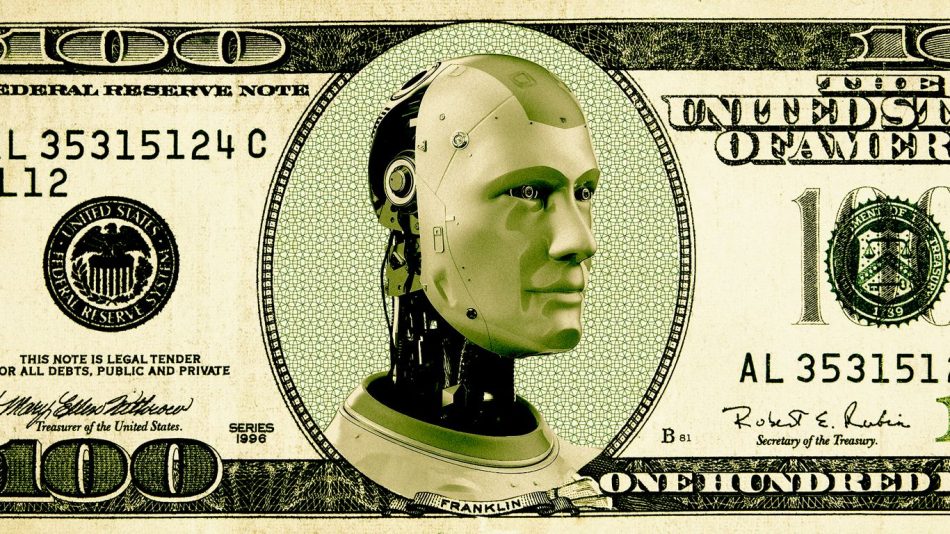
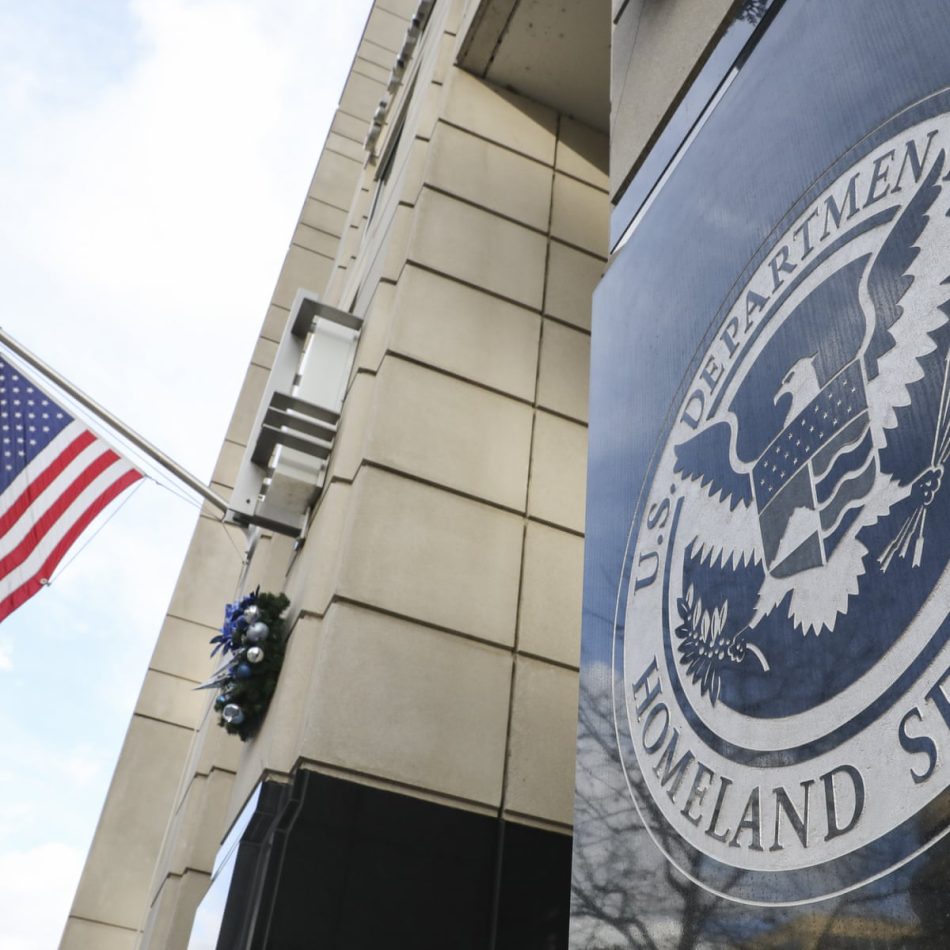
Recent revelations from hacked data obtained from the Department of Homeland Security (DHS) have exposed the agency’s significant investments in artificial intelligence (AI) technologies aimed at expanding surveillance capabilities. This information raises important questions about privacy, civil liberties, and the extent of government surveillance in the United States.
Overview of the Hacked Data
The leaked data, which was made available by a pseudonymous “cyber-hacktivist” and shared with reporters by the transparency nonprofit Distributed Denial of Secrets, highlights the activities of the DHS’s Office of Industry Partnership (OIP). The OIP has been funding various projects that incorporate AI into surveillance frameworks, including:
- Automated surveillance systems in airports
- Biometric scanning technologies that can be used on mobile devices
- An AI platform designed to analyze national 911 call data and create “geospatial heat maps” for predicting incident trends, which resembles predictive policing techniques
Funding and Partnerships
The data leak coincides with a period of heightened funding for the DHS, which received a substantial $165 billion boost in the previous year’s tax and spending bill. This influx of resources has raised concerns, especially following controversies regarding the agency’s collection of biometric data from protesters in various cities, including Minneapolis.
The leaked information also reveals that over 6,000 companies have bid for contracts with the DHS, providing insight into the private sector’s interest in homeland security projects. While not all companies received funding, the sheer volume of bids indicates a robust market for technologies aimed at enhancing surveillance capabilities.
Details of the Office of Industry Partnership
The OIP operates under the DHS’s Science and Technology Directorate and manages several programs, including the Small Business Innovation Research (SBIR) initiative. This program allocates federal funds to small and medium-sized enterprises to develop technology solutions that address specific needs within the DHS.
The leaked data includes two structured databases:
- A registry of over 6,800 companies that have submitted bids to the OIP
- A separate database of more than 1,400 funded contracts, each containing a proposal abstract detailing the technology pitched by the company
Since its inception in 1982, the SBIR program has aimed to ensure that publicly funded research and development lead to sustainable business models rather than one-off prototypes. Contracts typically start with phase I proof-of-concept awards ranging from $100,000 to $175,000, before advancing to phase II prototype funding of $1 million or more.
Biometric Data Collection Initiatives
Among the contracts issued since the Trump administration, several have focused on the development of technologies for collecting biometric data using mobile devices. For instance, on May 7, 2025, three contracts were awarded for technologies that enable agents to harvest biometric data through smartphones:
- Idea Mind LLC: Received $174,464 for a device called Vibe, which connects fingerprint and iris scanners to phones via USB-C or Lightning, allowing for compatibility with both Android and iOS devices.
- Intellisense Systems: Awarded $174,990 for its Flow device, designed for handheld use with biometric scanners, facilitating fingerprint and iris capture.
- Integrated Biometrics: Received $167,627 for its Bios Link technology, intended for use by various DHS components and international partners.
Intellisense Systems has a history of contracting with the DHS, having received numerous contracts worth over $17 million since 2004. In contrast, Idea Mind LLC had no prior contracting history with the DHS.
Surveillance Technologies in Airports
On the same day, four additional contracts totaling $699,000 were awarded for technologies aimed at surveilling passengers at TSA airport security checkpoints. These technologies utilize AI to analyze existing CCTV footage and catalog passengers’ physical characteristics.
Some notable projects include:
- Intellisense’s Ossca system: Designed to detect and track individuals, identifying their physical characteristics and clothing, while generating alerts for operators.
- Synthetik Applied Technologies: Proposed the use of deep learning algorithms optimized for real-time processing of CCTV video streams.
Concerns and Criticism
Experts and privacy advocates have raised alarms about the implications of these surveillance technologies. Jeramie Scott, a senior counsel at the Electronic Privacy Information Center, expressed concern over the DHS’s direction, stating that the agency appears to be taking inspiration from dystopian science fiction without recognizing the serious ethical implications.
Scott emphasized the need for a critical evaluation of these technologies and their potential impact on civil liberties, urging that the lessons from dystopian narratives should not be ignored.
Conclusion
The hacked data has unveiled the ambitious plans of the DHS to integrate AI into its surveillance operations, raising significant concerns about privacy and civil rights. As the agency continues to explore partnerships and funding opportunities, it is crucial for the public and policymakers to engage in discussions about the ethical implications of such technologies and the need for robust oversight.
Note: The information presented in this article is based on leaked data and expert commentary, and it reflects ongoing discussions about surveillance, privacy, and technology in the context of national security.