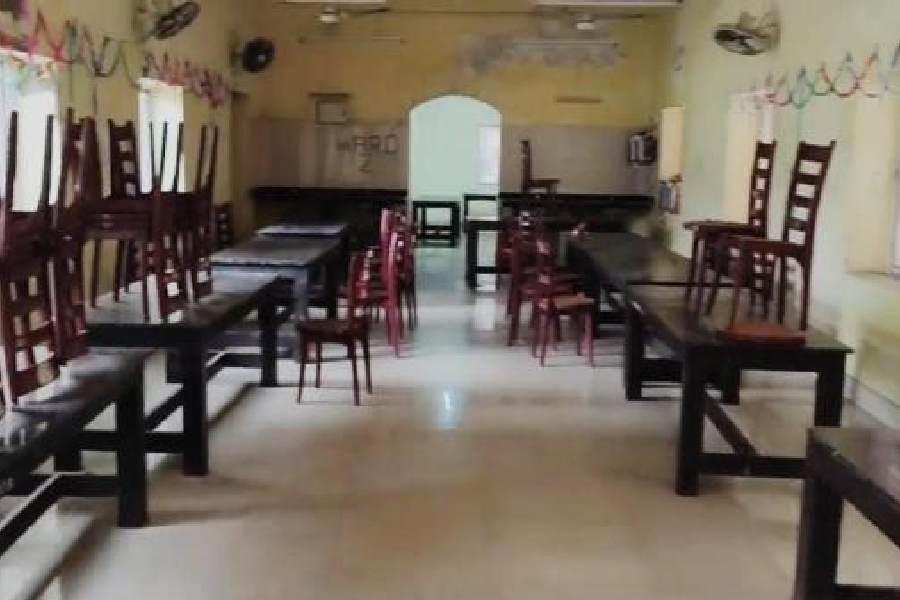
LPG crisis pushes college hostels to simplify meals, try firewood cooking
The ongoing LPG (Liquefied Petroleum Gas) crisis has significantly impacted college hostels across the country, forcing them to rethink their meal preparation strategies. With rising costs and supply shortages, many institutions are turning to simpler meal options and even reverting to traditional cooking methods, such as firewood cooking.
Understanding the LPG Crisis
The LPG crisis has emerged due to a combination of factors, including geopolitical tensions, supply chain disruptions, and increased demand for cooking gas. As a result, the prices of LPG cylinders have surged, making it increasingly difficult for college hostels to maintain their usual meal plans.
Factors Contributing to the Crisis
- Global Supply Chain Issues: The COVID-19 pandemic has had a lasting impact on global supply chains, leading to shortages of essential commodities, including LPG.
- Geopolitical Tensions: Conflicts in oil-producing regions have caused fluctuations in gas prices, directly affecting the cost of LPG.
- Increased Demand: With more people cooking at home during the pandemic, the demand for LPG has surged, further straining available supplies.
Impact on College Hostels
College hostels, which typically provide meals for students, are particularly vulnerable to these rising costs. Many institutions have reported having to simplify their meal offerings to cope with the increased expenses associated with LPG.
Changes in Meal Preparation
To adapt to the crisis, college hostels have implemented several changes in their meal preparation processes:
- Simplified Menus: Many hostels have reduced the variety of dishes offered, focusing on cost-effective and easy-to-prepare meals.
- Increased Use of Rice and Lentils: These staples are not only affordable but also nutritious, making them a popular choice for budget-conscious meal planning.
- Batch Cooking: Preparing larger quantities of food at once helps save on fuel costs and reduces the frequency of cooking.
Exploring Alternative Cooking Methods
In some cases, hostels have turned to traditional cooking methods as a way to mitigate the impact of the LPG crisis:
- Firewood Cooking: Some hostels have begun experimenting with firewood as a cooking fuel, which is often cheaper and more readily available than LPG.
- Solar Cooking: A few institutions are exploring solar cookers as an eco-friendly and cost-effective alternative, although this method is dependent on weather conditions.
- Community Cooking: Some hostels are encouraging students to participate in communal cooking sessions, fostering a sense of community while also reducing individual costs.
Student Reactions
The response from students has been mixed. While some appreciate the efforts made by hostel management to provide meals within budget constraints, others express concerns over the nutritional value and variety of the food being served.
Positive Feedback
Many students have recognized the challenges faced by hostel management and have expressed understanding:
- Appreciation for Efforts: Students have shown gratitude for the continued provision of meals despite the crisis.
- Community Spirit: The shift to communal cooking has fostered a sense of camaraderie among students, making meal times more enjoyable.
Concerns Raised
On the other hand, some students have raised valid concerns:
- Nutritional Value: With simplified menus, some students worry that they are not receiving a balanced diet.
- Food Quality: There are concerns about the quality of meals prepared using alternative cooking methods, particularly firewood.
Future Outlook
The LPG crisis is expected to continue affecting college hostels for the foreseeable future. As institutions navigate these challenges, they are likely to explore further innovations in meal preparation and cooking methods.
Potential Solutions
Looking ahead, several potential solutions could help alleviate the impact of the crisis:
- Investing in Energy-Efficient Appliances: Hostels could consider investing in energy-efficient cooking appliances that reduce fuel consumption.
- Collaboration with Local Farmers: Establishing partnerships with local farmers for fresh produce could help improve meal quality while supporting the local economy.
- Government Support: Advocacy for government subsidies or support for educational institutions could help mitigate the financial burden of rising LPG costs.
Conclusion
The LPG crisis has presented significant challenges for college hostels, forcing them to adapt their meal preparation methods and explore alternative cooking options. While students have shown resilience and understanding, it is crucial for institutions to ensure that the nutritional needs of their residents are met. As the situation evolves, continued innovation and collaboration will be essential in navigating these unprecedented times.
Note: The information presented in this article is based on current trends and observations as of October 2023. The situation may evolve, and further developments should be monitored.