
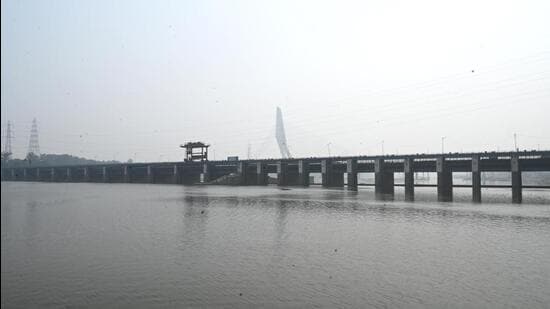
DJB ties up with IIT-Roorkee to assess rising water requirements
On March 17, 2026, the Delhi Jal Board (DJB) announced a significant collaboration with the Indian Institute of Technology (IIT) Roorkee to conduct a comprehensive study on the rising water needs of Delhi. This initiative comes in light of the need to renegotiate the expired Yamuna water-sharing agreement, originally established in 1994, among several North Indian states.
Context of the Collaboration
The Delhi government has recognized that the existing water-sharing agreement, which involves Delhi, Haryana, Uttar Pradesh, Rajasthan, and Himachal Pradesh, is no longer adequate to meet the growing demands of the capital’s population. The agreement, which has been in place for over three decades, is now due for a revision as the water requirements have changed significantly due to urban expansion and increased non-domestic water use.
Objectives of the Study
The primary objectives of the study commissioned to IIT Roorkee include:
- Assessing the current and projected water requirements for Delhi.
- Providing recommendations for the renegotiation of the Yamuna water-sharing agreement.
- Identifying potential channels or routes for the conveyance of additional water to Delhi.
Current Water Supply Situation
Currently, the per capita water requirement in Delhi stands at approximately 272 liters per capita per day (LPCD). This figure is notably higher than that of other major metropolitan cities in India. With a population of around 25 million, the total daily water supply needed for Delhi is estimated to be around 1,300 million gallons per day (MGD). However, the actual supply is only about 1,000 MGD, leading to a significant water deficit of approximately 22-23%.
Future Projections
Looking ahead, the demand for water in Delhi is projected to rise dramatically. By 2031, it is expected that the city will require approximately 1,746 MGD to meet both current and future needs. This anticipated increase in demand underscores the urgency for the DJB to secure a larger share of water during the upcoming negotiations regarding the Yamuna water-sharing agreement.
Infrastructure Considerations
As part of the study, experts from IIT Roorkee will also evaluate the existing infrastructure to determine whether new canals need to be constructed or if additional water can be transported through existing pipelines. The Munak Canal, which currently operates at full capacity, cannot accommodate any additional water. Therefore, the construction of new channels may be necessary to facilitate the increased water supply.
Historical Background of the Yamuna Water-Sharing Agreement
The original Yamuna water-sharing agreement was signed in May 1994 among five states: Delhi, Haryana, Uttar Pradesh, Rajasthan, and Himachal Pradesh. Under this agreement, the total annual flow of the Yamuna River was estimated at 11.48 billion cubic meters (BCM), with Delhi allocated a share of 0.724 BCM for drinking purposes, which accounts for 6.3% of the total water flow. Haryana received the largest allocation, amounting to 35.1% of the total flow.
Implications of the Study
The collaboration between DJB and IIT Roorkee is expected to yield critical insights that will inform the upcoming negotiations for the Yamuna water-sharing agreement. The study aims to provide a scientific basis for determining the water requirements of Delhi and to propose viable solutions for addressing the city’s water scarcity challenges.
Conclusion
This partnership marks a proactive step towards ensuring that Delhi’s water needs are adequately met in the face of rising demand. As urban populations continue to grow and climate change impacts water availability, it is essential for cities like Delhi to adapt their water management strategies to secure a sustainable future.
Note: The information presented in this article is based on the latest available data as of March 2026 and may be subject to change as new studies and agreements are established.


