Building stronger villages: IIM-V trains 500 gazetted officers
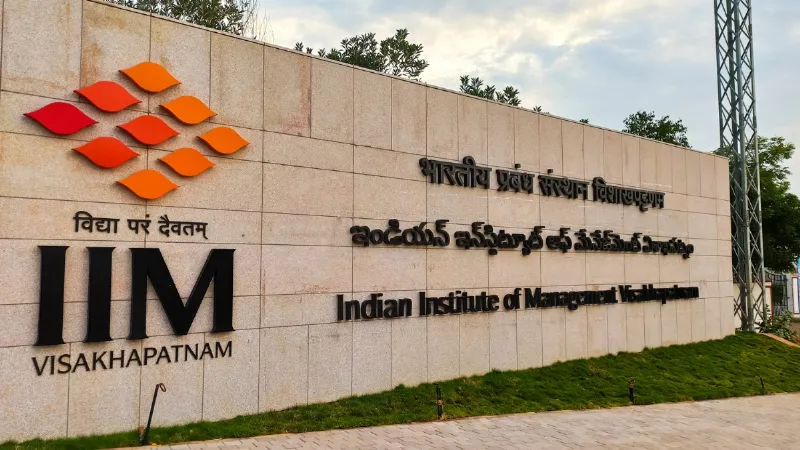
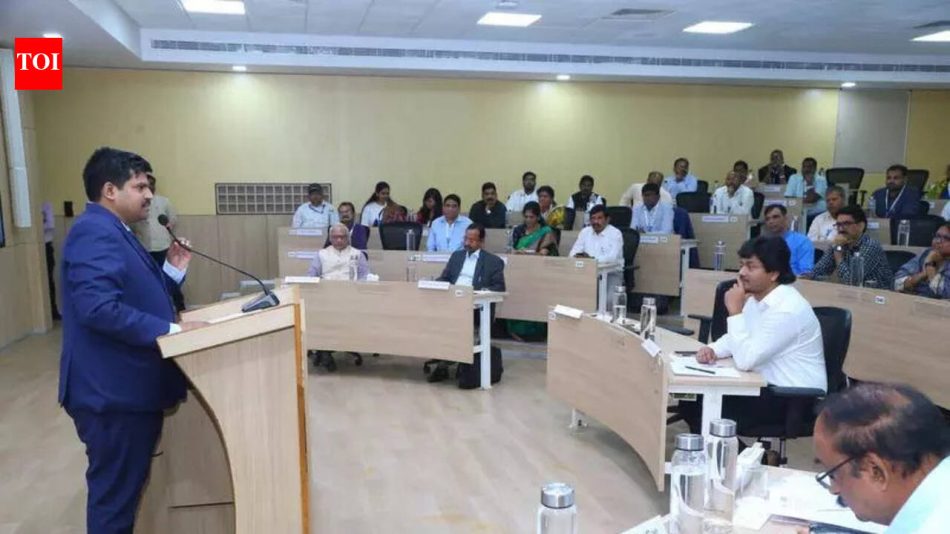
In a significant initiative aimed at enhancing local governance and rural development, the Indian Institute of Management Visakhapatnam (IIM-V) has successfully completed a comprehensive training program for 500 gazetted officers from the Andhra Pradesh Panchayat Raj and Rural Development Department. This training was conducted under the auspices of the State Institute of Rural Development and Panchayat Raj, focusing on equipping participants with essential leadership skills and effective governance practices.
Objectives of the Training Program
The ‘Leadership and Management Development Training Programme’ was designed with several key objectives:
- To enhance leadership skills among local government officials.
- To promote effective governance practices.
- To introduce digital tools that facilitate efficient local administration.
- To encourage participatory decision-making processes.
- To support sustainable rural development initiatives.
Program Details
As part of the Rashtriya Gram Swaraj Abhiyan (RGSA) 2025–26 capacity building framework, the program trained a total of 504 officers across nine residential batches, exceeding the initial target of 500 participants. The training commenced with the first cohort of 50 officers on December 1, 2025, and was attended by notable officials including:
- Shashi Bhushan Kumar, Principal Secretary, AP PR & RD and Rural Water Supply
- Mutyalaraju Revu, Commissioner, APSIRD & PR
- Krishna Teja Mylavarapu, Commissioner, Panchayat Raj
Leadership and Governance Curriculum
The training program was led by esteemed faculty members, Professor Vijaya Marisetty and Professor Kalyan Kolukuluri, and received an impressive average feedback score of 4.76 out of 5 from participants. The curriculum was meticulously crafted to strengthen the leadership and governance capabilities of the participants through a blend of foundational knowledge, practical skills, and digital literacy.
Core Principles Explored
During the program, participants explored several core principles of local governance, which included:
- The significance of the 73rd Constitutional Amendment
- The devolution of powers to local bodies
- The broader vision of Panchayati Raj
Leadership Styles and Case Studies
Participants examined various leadership styles, including transformational and transactional leadership, supported by relevant case studies. This exploration aimed to provide a practical understanding of effective leadership in the context of local governance.
Financial Management and Digital Governance
The program also placed a strong emphasis on financial management within Panchayati Raj institutions. Sessions covered essential topics such as:
- Understanding grants and revenue sources
- Principles of efficient budgeting
Digital governance was a major focus area, with hands-on exposure to various digital platforms, including:
- e-Gram Swaraj
- Gram Manchitra
- SVAMITVA
- ServicePlus
- BharatNet
- MIS tools
These tools are aimed at enhancing transparency and improving service delivery in rural areas.
Essential Leadership Skills
In addition to governance and financial management, the training program focused on developing essential leadership skills, which included:
- Effective communication
- Dispute resolution techniques
- Stakeholder engagement strategies
Addressing Key Rural Development Challenges
Participants also learned about the critical role of Panchayati Raj institutions in various sectors, including:
- Public health
- Education
- Sanitation
- Water management
Moreover, the program addressed strategies for:
- Climate-resilient village planning
- Disaster preparedness
- Renewable energy adoption
Conclusion
The training program conducted by IIM-V represents a significant step towards empowering local government officials with the skills necessary for effective governance and sustainable rural development. By equipping gazetted officers with leadership skills, financial management knowledge, and digital tools, the initiative aims to foster stronger, more resilient villages across Andhra Pradesh.
Note: The information provided in this article is based on the latest updates as of October 2023.