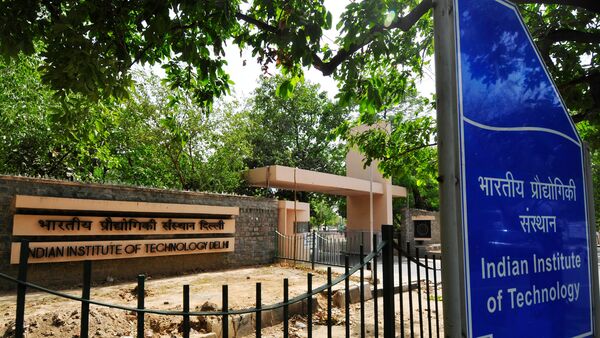
IIT Delhi Leads from India in QS Sustainability Rankings 2026
The QS World University Sustainability Rankings for 2026 have been released, showcasing the performance of universities worldwide in terms of their environmental, social, and governance (ESG) impact. Among the Indian institutions, the Indian Institute of Technology (IIT) Delhi has emerged as the leader, although it has slipped out of the top 200 globally.
Overview of the Rankings
The QS Sustainability Rankings evaluate nearly 2,000 universities globally, assessing their contributions to a sustainable future through research, governance, and community impact. This year, IIT Delhi secured the 205th position globally with a score of 83.1, a decline from its previous year’s rank of 171.
Top Performers Globally
Sweden’s Lund University topped the rankings with a perfect overall score of 100, followed by the University of Toronto with a score of 99.8, and University College London in third place. These institutions have set a benchmark for sustainability in higher education.
Indian Universities in the Rankings
Here is a detailed look at the rankings of Indian universities in the QS Sustainability Rankings 2026:
- IIT Delhi: 205th position, Score: 83.1
- IIT Bombay: 235th position, Score: 81.4
- IIT Kharagpur: 236th position, Score: 81.3
- IIT Madras: 305th position, Score: 77.3
- IIT Kanpur: 310th position, Score: 78.0
- IIT Roorkee: 352nd position, Score: 74.9
- IIT (BHU) Varanasi: 672nd position, Score: 62.5
- IIT Hyderabad: 792nd position, Score: 58.7
Additionally, IIT Gandhinagar and IIT Guwahati also made it to the list, highlighting the growing emphasis on sustainability among Indian institutions.
Significance of the QS Sustainability Rankings
The QS Sustainability Rankings play a crucial role in assessing how universities are addressing global challenges related to sustainability. The rankings focus on three main pillars:
- Environmental Impact: Evaluates how well institutions are managing their environmental footprint.
- Social Impact: Assesses the social contributions of universities to their communities.
- Governance: Reviews the governance structures in place to support sustainability initiatives.
These rankings encourage universities to adopt sustainable practices and foster a culture of environmental responsibility among students and faculty.
Recent Trends in Indian Higher Education Rankings
Earlier this month, QS also released the Asia University Rankings for 2026, where several Indian institutions made significant strides. IIT Delhi, IIT Madras, IIT Bombay, IIT Kanpur, and IIT Kharagpur were all featured in the top 100 Asian institutes. This reflects a positive trend in the global standing of Indian higher education institutions.
In total, seven Indian institutions ranked in the top 100 in the QS Asia rankings, with 20 making it to the top 200 and 66 in the top 500. This year, 36 Indian institutes improved their rankings, while 16 maintained their positions, and 105 saw a decline.
Conclusion
The QS Sustainability Rankings 2026 highlight the challenges and achievements of Indian universities in the realm of sustainability. While IIT Delhi remains the top Indian institution in this category, the slip out of the top 200 globally indicates the need for continued efforts in enhancing sustainability practices. As global awareness of environmental issues grows, it is imperative for educational institutions to lead by example and contribute positively to sustainable development.
Note: The rankings and scores are based on the latest data available as of November 2025.