Over 100 Indian Universities Make It to QS Sustainability Rankings
In a significant achievement for Indian higher education, over 100 universities from India have secured positions in the QS World University Rankings for Sustainability 2026, released by London-based QS Quacquarelli Symonds. This marks a notable recognition of the efforts made by Indian institutions in the realm of sustainability.
India’s Stand in the Global Rankings
With a total of 103 universities listed, India ranks fourth in terms of the number of institutions featured, trailing behind the United States, China, and the United Kingdom. The QS sustainability rankings, which were established in 2023, evaluate universities based on their performance in various environmental and social sustainability categories. These categories include:
- Environmental Impact
- Social Impact
- Governance
- Environmental Research
- Sustainability Education
- Equality
- Employability
- Knowledge Exchange
- Health and Wellbeing
Top Performing Institutions
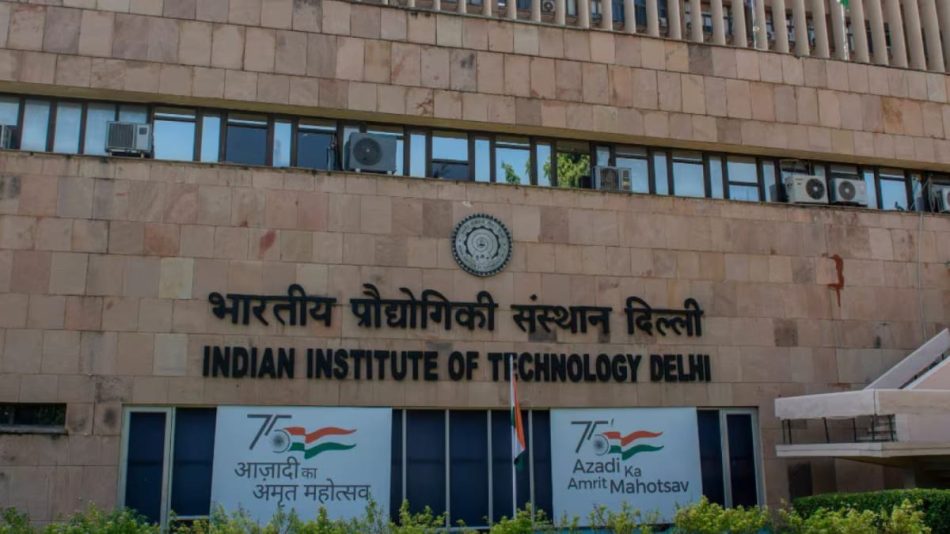
The Indian Institute of Technology (IIT) Delhi emerged as the highest-ranked Indian university, securing the 205th position globally. This is IIT Delhi’s best performance in the sustainability rankings since their inception. Overall, India boasts 12 universities in the top 500, a figure that matches that of countries like China and the Netherlands.
Debut Entries and Rankings
This year’s rankings saw a record number of debut entries from various countries, with China leading at 46 new entries, followed by India with 26, France with 19, and Turkey with 18. Despite IIT Delhi’s commendable position, the rankings revealed that many Indian universities experienced a decline in their standings compared to the previous year. Among the top 15 Indian universities, nine saw their positions drop, including notable institutions such as Jadavpur University, IIT Kanpur, and the Indian Institute of Science (IISc).
Indicator Performance
Across the 103 Indian institutions ranked, the performance varied significantly. A total of 30 universities saw their rankings decline, while 32 improved, and 15 remained unchanged. Notably, IIT Delhi and IIT Kharagpur were recognized for their global standing in the Employability and Outcomes category, ranking 93rd and 96th respectively. The University of Delhi also made a mark, entering the top 100 for Knowledge Exchange at 94th place, while IIT Bombay achieved a ranking of 100th in the Environmental Impact category.
Areas of Improvement and Challenges
QS highlighted that nearly half of India’s ranked universities showed improvement in the Environmental Education indicator. Nine institutions scored above 84 in this category, including IIT Delhi, IIT Bombay, and Jawaharlal Nehru University. However, Indian universities faced challenges in social impact indicators, particularly in equality and the impact of education. For instance, IISc achieved its highest score in Environmental Education (96), but its equality score was only around 51.6, and the impact of education score was 52.5.
Among the 16 IITs featured in the rankings, equality scores varied significantly, ranging from 21.5 for IIT Ropar to 69.8 for IIT Kanpur. This disparity indicates that while some institutions excel in certain areas, others still have considerable room for improvement.
Statements from QS Leadership
Jessica Turner, CEO of QS, commented on the findings, stating, “Overall, Indian universities excel in knowledge exchange and environmental sustainability. The higher education system also boasts some outstanding individual performances, especially among the IITs and institutions such as the University of Delhi.” She emphasized the critical role of higher education in combating climate change and highlighted India’s commitment to sustainable development, particularly in the Global South.
Conclusion
As India continues to strive for sustainability in higher education, the QS rankings reflect both achievements and areas needing attention. The commitment to providing talent and innovation essential for a sustainable future is crucial, and the role of Indian universities in this journey cannot be overstated.
Note: The information presented in this article is based on the QS World University Rankings for Sustainability 2026, released on November 18, 2025.