Odisha: IIT Bhubaneswar Signs Agreement for Novel TB Vaccine Technology
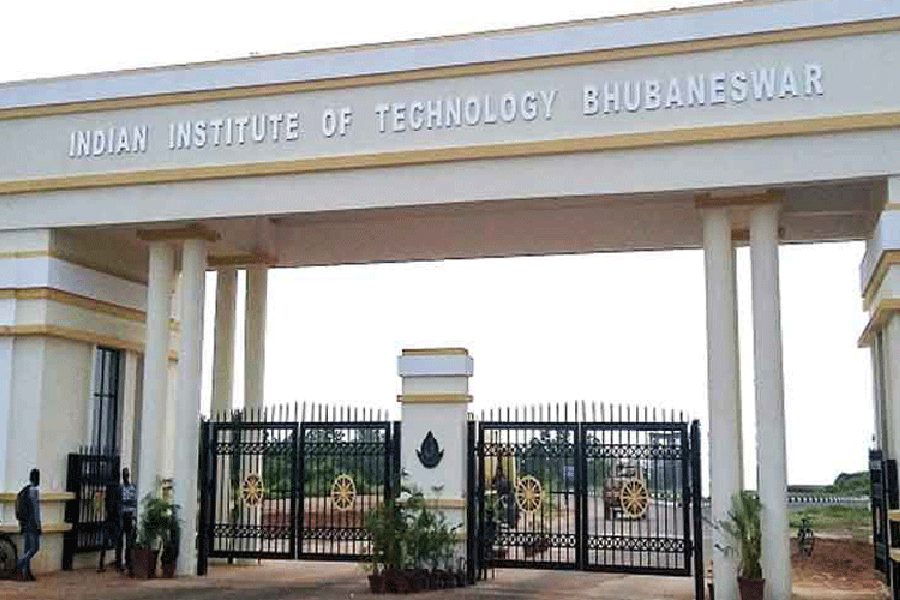
Bhubaneswar, November 24, 2025 – In a significant advancement for indigenous tuberculosis (TB) vaccine research, the Indian Institute of Technology (IIT) Bhubaneswar, the Institute of Life Sciences (ILS), and the National Research Development Corporation (NRDC) have formalized a Quadripartite License Agreement with TechInvention Lifecare Limited. This agreement aims to facilitate the technology transfer and potential commercialization of a promising new vaccine candidate known as the “HSP Subunit Vaccine in Adjuvant (DDA) Against Mycobacterium tuberculosis.”
Background on Tuberculosis
Tuberculosis remains one of the deadliest infectious diseases globally. According to the World Health Organization (WHO), TB claimed approximately 1.23 million lives in 2024 alone. The disease primarily affects the lungs but can also impact other parts of the body. Despite the availability of the Bacillus Calmette Guérin (BCG) vaccine, which was developed over a century ago, its effectiveness is limited. The BCG vaccine primarily protects infants and does not provide adequate defense against pulmonary TB in adolescents and adults.
The Need for a New Vaccine
Given the limitations of the current vaccine, there is a critical need for a next-generation TB vaccine that can provide broader protection. The newly developed HSP Subunit Vaccine aims to address this unmet need. It has been designed to elicit strong humoral and cell-mediated immune responses, thereby enhancing the protective efficacy of the existing BCG vaccine.
Collaboration and Development
The development of the HSP Subunit Vaccine is the result of collaborative research led by:
- Prof. Ashis Biswas from IIT Bhubaneswar
- Dr. Sunil Kumar Raghav from the Institute of Life Sciences, Bhubaneswar
This partnership highlights the strength of India’s research ecosystem and its commitment to addressing significant public health challenges. The NRDC played a proactive role in identifying and evaluating this innovative technology, facilitating the licensing process to ensure its advancement.
Commercialization and Future Prospects
TechInvention Lifecare Limited, the licensed industry partner, is set to play a crucial role in translating this indigenous vaccine technology into a viable public health solution. The Quadripartite License Agreement allows for the advancement of the vaccine from laboratory research to product development and eventual commercial deployment.
Significance of the Agreement
This agreement marks a pivotal step in India’s fight against tuberculosis. The HSP Subunit Vaccine candidate represents a significant advancement in the country’s efforts to combat Mycobacterium tuberculosis. The collaboration among premier institutions like IIT Bhubaneswar and ILS underscores the importance of joint efforts in tackling public health issues.
Conclusion
The formalization of this agreement is a promising development in the field of vaccine research and public health. It not only aims to enhance the effectiveness of TB prevention but also reflects India’s growing capabilities in biomedical research and innovation.
Note: This article is based on information available as of November 2025 and aims to provide an overview of the recent developments in tuberculosis vaccine research in India.