Exclusive: Rivian CEO on how its Uber deal came together, and why the AI 'driver' is the future of mobility
In a groundbreaking development, Rivian (RIVN) and Uber (UBER) have finalized a deal valued at $1.25 billion for the supply of up to 50,000 R2 robotaxis. This significant partnership has been in the works for approximately a year, as Rivian CEO RJ Scaringe and Uber CEO Dara Khosrowshahi have a long-standing relationship in the transportation and mobility sector.
The Genesis of the Deal
RJ Scaringe explained, “Transportation and mobility is a small world, so I’ve known Dara for a long time.” The discussions surrounding this deal have evolved over time, with various iterations being considered before arriving at the current agreement. Scaringe emphasized the importance of metrics such as vehicle revenue per mile, which is crucial for determining the viability of the partnership.
Rivian’s Vision for Autonomous Driving
Scaringe expressed optimism about the future of autonomous driving, particularly the transition to Level 4 self-driving technology. He noted, “We’re very, very bullish on what’s the rate of progress that we’re going to see as an industry towards Level four.” The collaboration with Uber represents a significant opportunity for both companies to innovate in the autonomous vehicle space.
Details of the R2 Robotaxi
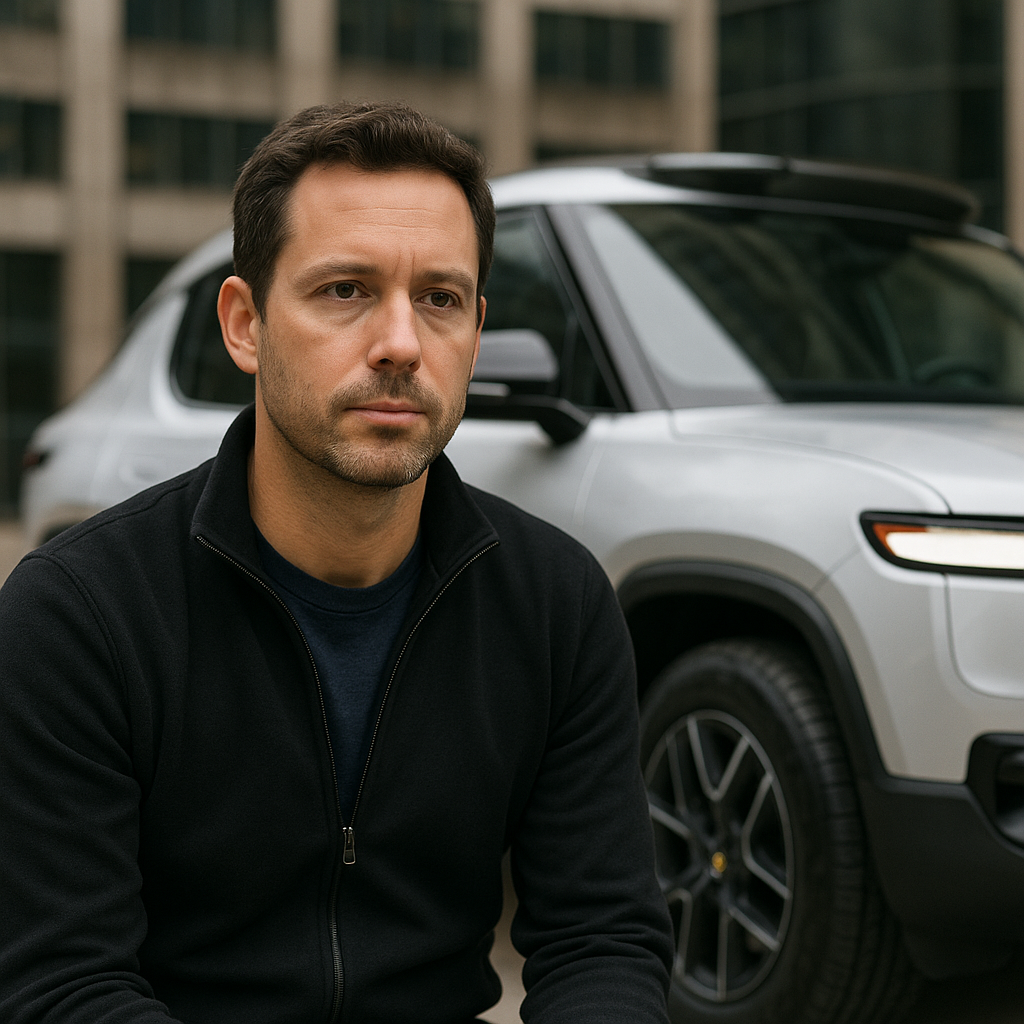
Central to this partnership is Rivian’s upcoming R2 midsize electric vehicle (EV), which Scaringe believes meets the specifications and requirements that Uber is looking for in a robotaxi. Unlike other partnerships Uber has formed, this collaboration with Rivian does not involve a third-party technology provider. Instead, Rivian will utilize its in-house Autonomy Platform, which integrates proprietary self-driving software with custom hardware, including Rivian-designed chips.
Revenue Opportunities in Autonomous Technology
Scaringe highlighted the potential revenue streams associated with the autonomous technology, stating, “There’s a lot of revenue for some of the digital or AI support services or enabling capabilities.” He elaborated that the autonomous “driver” powered by Rivian’s software represents a valuable asset, not only for robotaxis but also for personal vehicles. This strategic focus on software and technology is why Rivian is investing heavily in its Autonomy Platform, despite the potential impact on its profitability targets for 2027.
Validation from Uber’s Investment
The investment from Uber serves as a validation of Rivian’s advancements in the autonomy sector. Scaringe believes that the development of robotaxis and autonomous driving technology is approaching an “inflection point,” similar to the rapid advancements seen in large language models (LLMs) like OpenAI’s ChatGPT. He stated, “The rate of progress over the next five years is going to be so fundamentally different between 2026 and 2031 than it was between 2021 and 2026.”
The Future of Mobility
Scaringe is confident about the future of mobility, asserting that transportation will be electric, autonomous, and powered by AI. He envisions a landscape where various modes of transport—including cars, e-bikes, and delivery robots—will be interconnected and AI-operated.
Rivian’s Upcoming R2 SUV
While the future of self-driving technology is being shaped, Rivian is also focused on the imminent release of the R2 SUV. The vehicle received a warm reception during its debut at the South by Southwest festival in Austin, Texas, earlier this month. Scaringe expressed satisfaction with the initial reviews from limited press drives.
Pricing Strategy
Rivian has crafted a pricing strategy that appeals to a range of consumers. The launch editions target early adopters, while a more affordable model priced around $45,000 is aimed at price-sensitive buyers. However, Rivian faces stiff competition from established players in the EV market, particularly the Tesla Model Y, which offers a more economical rear-wheel-drive version priced below $40,000. Rivian’s R2 will also compete with traditional gas and hybrid vehicles, such as the Toyota RAV4 and Honda CR-V.
Impact of Fuel Prices on EV Adoption
Scaringe noted that fluctuating fuel prices could influence consumer behavior towards electric vehicles. He remarked, “I think if fuel prices stay high, it’ll start to influence behavior.” While he believes that high gas prices have not yet significantly altered purchase decisions, he anticipates that sustained high prices could lead to a shift in consumer preferences toward EVs.
Conclusion
The partnership between Rivian and Uber marks a pivotal moment in the evolution of autonomous mobility, combining cutting-edge technology with strategic investment. As both companies navigate the complexities of this rapidly changing landscape, the focus remains on delivering innovative solutions that redefine transportation for the future.
Note: The information presented in this article is based on statements made by Rivian CEO RJ Scaringe and reflects the current state of the automotive industry as of March 2026.