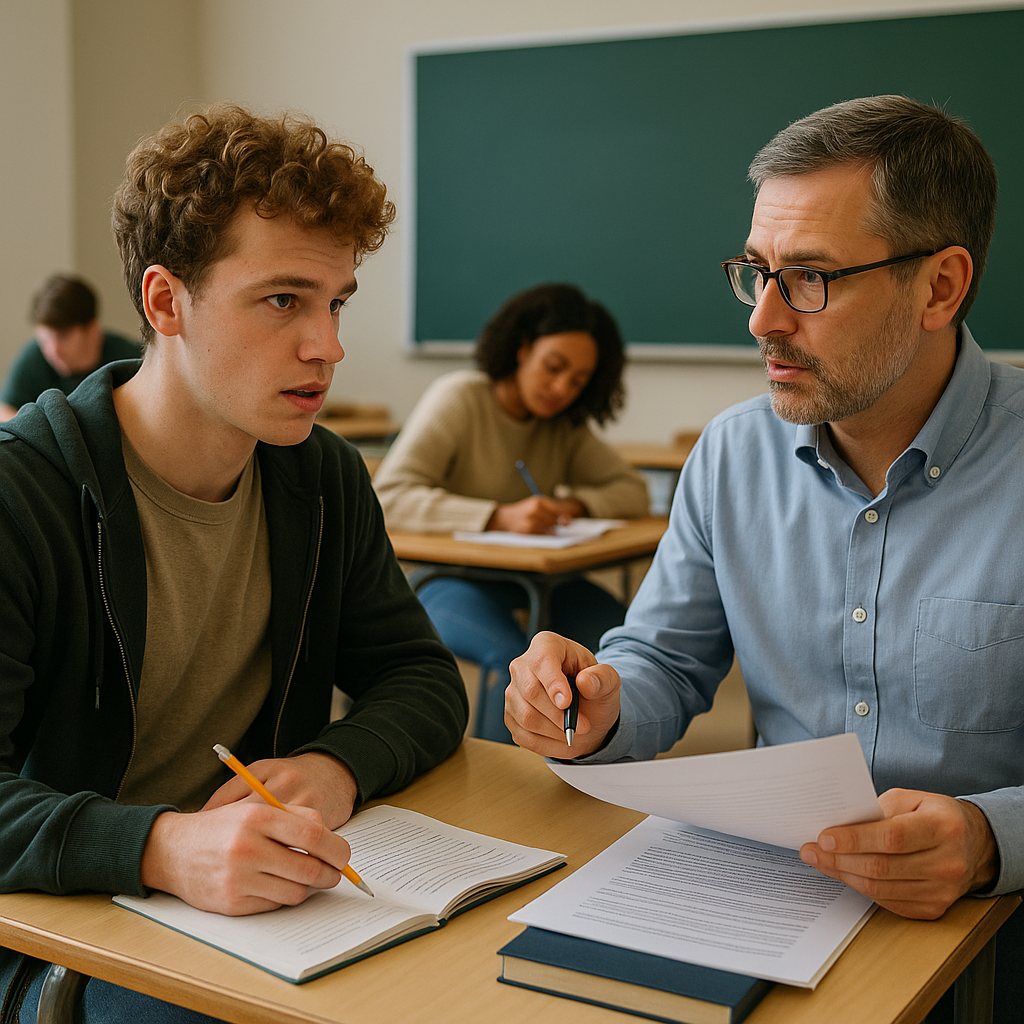
Colleges are turning to in-person tests, oral exams to combat AI
In recent years, the rise of artificial intelligence (AI) has significantly impacted various sectors, including education. As AI technologies become more sophisticated, colleges and universities are grappling with the challenge of ensuring academic integrity and the authenticity of student work. In response, many institutions are shifting back to traditional assessment methods, such as in-person tests and oral exams, to combat the potential misuse of AI tools in academic settings.
The Challenge of AI in Education
AI tools, such as chatbots and automated writing assistants, have made it easier for students to generate essays, solve complex problems, and even complete entire assignments with minimal effort. While these technologies can enhance learning and provide support, they also pose a significant threat to the integrity of academic assessments.
Colleges are increasingly concerned that students may rely on AI to complete assignments, leading to a lack of genuine understanding of the material. This reliance on technology can undermine the educational process and devalue degrees earned by students who engage in traditional learning methods.
Shifting Assessment Strategies
To address these concerns, many colleges are re-evaluating their assessment strategies. Some of the key approaches being adopted include:
- In-Person Exams: Institutions are reinstating in-person examinations that require students to demonstrate their knowledge and skills without the aid of technology. These exams often take place in controlled environments, reducing the likelihood of cheating.
- Oral Exams: Oral examinations are gaining popularity as they allow instructors to gauge a student’s understanding of the subject matter through direct questioning. This format encourages critical thinking and verbal articulation of concepts, making it more difficult for students to rely on AI-generated responses.
- Project-Based Assessments: Some colleges are incorporating project-based assessments that require students to apply their knowledge in real-world scenarios. This approach emphasizes practical application and collaboration, reducing the temptation to use AI for quick solutions.
Benefits of Traditional Assessment Methods
Returning to traditional assessment methods offers several benefits for both students and educators:
- Enhanced Understanding: In-person tests and oral exams encourage students to engage more deeply with the material, fostering a better understanding of the subject matter.
- Improved Communication Skills: Oral exams help students develop their communication skills, which are essential in both academic and professional settings.
- Academic Integrity: By minimizing the use of AI tools during assessments, colleges can uphold academic integrity and ensure that degrees reflect genuine learning and achievement.
Challenges of Implementing Traditional Assessments
While the shift back to traditional assessment methods has its advantages, it also presents challenges:
- Logistical Issues: Organizing in-person exams and oral assessments can be logistically challenging, particularly for large classes or remote learning environments.
- Student Anxiety: Some students may experience anxiety related to in-person assessments, particularly oral exams, which can affect their performance.
- Resource Intensive: Traditional assessments often require more resources, including time and personnel, to administer effectively.
Adapting to the New Normal
As colleges navigate the challenges posed by AI, they are also exploring innovative ways to adapt to the new normal in education. This includes incorporating technology in a responsible manner, such as using AI for formative assessments while maintaining traditional methods for summative evaluations.
Educators are also encouraged to foster a culture of academic integrity by emphasizing the importance of original work and critical thinking skills. By doing so, colleges can prepare students for a future where AI will play an increasingly prominent role in various fields.
The Future of Assessment in Higher Education
The landscape of higher education is continually evolving, and the rise of AI presents both challenges and opportunities. As colleges and universities respond to these changes, the future of assessment will likely involve a hybrid approach that combines traditional methods with innovative technologies.
Ultimately, the goal is to create an educational environment that not only values academic integrity but also equips students with the skills they need to thrive in a world increasingly influenced by AI.
Conclusion
As colleges turn to in-person tests and oral exams to combat the challenges posed by AI, it is essential to strike a balance between leveraging technology for learning and maintaining the integrity of academic assessments. By adopting a multifaceted approach to evaluation, educational institutions can ensure that students are not only knowledgeable but also capable of applying their skills in real-world situations.
Note: The information provided in this article reflects the current trends and challenges in higher education as of October 2023. Institutions may continue to adapt their strategies in response to the evolving landscape of AI and education.