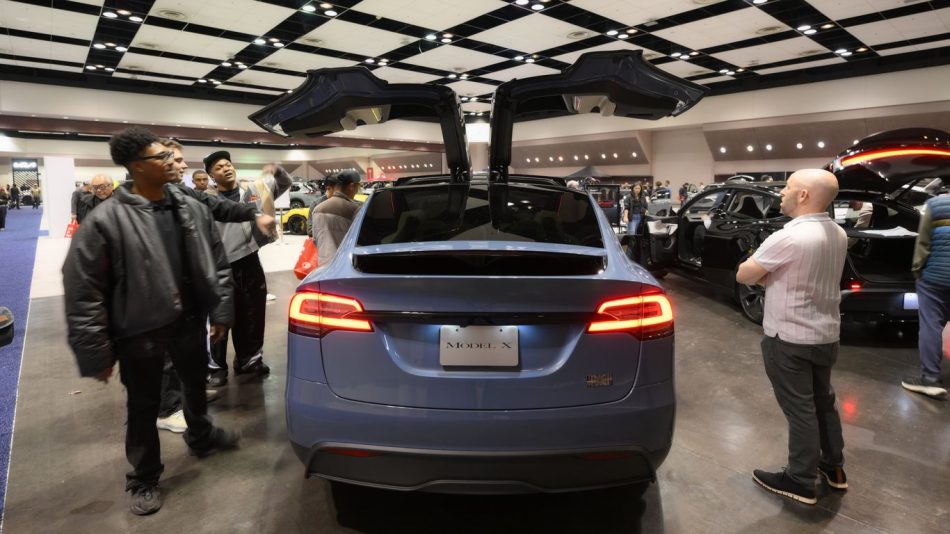
Tesla EV sales "underwhelming" as Elon Musk pivots to AI
In recent months, Tesla has faced scrutiny over its electric vehicle (EV) sales performance, which some analysts have described as “underwhelming.” As the company navigates a challenging market landscape, CEO Elon Musk has begun to pivot his attention toward artificial intelligence (AI) technologies. This article explores the current state of Tesla’s sales, the factors contributing to the perceived underperformance, and Musk’s strategic shift toward AI.
The Current Landscape of Tesla Sales
As of late 2023, Tesla remains one of the most recognized names in the electric vehicle industry. However, recent reports indicate that the company has not met sales expectations for the year. In the third quarter of 2023, Tesla delivered approximately 405,000 vehicles, falling short of analysts’ projections of around 450,000 units. This decline in sales growth has raised concerns among investors and industry experts.
Factors Contributing to Underwhelming Sales
Several factors have contributed to Tesla’s recent sales challenges:
1. Increased Competition
The EV market has become increasingly crowded, with numerous automakers launching their own electric models. Companies like Ford, General Motors, and Volkswagen are investing heavily in EV technology, offering consumers more choices. As competition intensifies, Tesla’s market share has begun to erode.
2. Supply Chain Issues
Like many manufacturers, Tesla has faced supply chain disruptions that have affected production capabilities. The global semiconductor shortage has particularly impacted the automotive industry, leading to delays in vehicle deliveries and affecting overall sales numbers.
3. Price Adjustments
In an effort to stimulate demand, Tesla has implemented several price cuts across its vehicle lineup. While these reductions may attract new customers, they also raise concerns about profit margins. The balance between maintaining competitive pricing and ensuring profitability is a delicate one for Tesla.
4. Consumer Sentiment
Consumer sentiment has also shifted as potential buyers weigh their options. With more EV models available, buyers are increasingly comparing features, prices, and brand reputations. Some consumers may be hesitant to purchase a Tesla due to concerns about quality, service, or the company’s recent controversies.
Elon Musk’s Shift Toward AI
In light of the challenges facing Tesla’s EV sales, Elon Musk has begun to emphasize the importance of artificial intelligence. Musk has long been an advocate for AI development, and he sees it as a critical component of Tesla’s future.
1. AI in Autonomous Driving
One of the most significant applications of AI at Tesla is in the realm of autonomous driving. Tesla’s Full Self-Driving (FSD) software relies heavily on AI algorithms to interpret data from vehicle sensors and make real-time driving decisions. Musk has stated that advancements in AI will be key to achieving fully autonomous vehicles, which could revolutionize the automotive industry.
2. Energy Solutions
Beyond vehicles, Musk is also exploring AI applications in Tesla’s energy division. The company’s solar products and energy storage solutions could benefit from AI-driven analytics to optimize energy consumption and management. This could lead to more efficient energy use in homes and businesses, further establishing Tesla as a leader in sustainable energy.
3. AI as a Competitive Edge
By investing in AI technologies, Musk aims to position Tesla ahead of its competitors. The integration of advanced AI systems could enhance vehicle performance, improve safety features, and provide a superior user experience. As other automakers catch up in the EV space, Tesla’s focus on AI may help maintain its competitive advantage.
Market Reactions and Future Outlook
The market reaction to Tesla’s sales performance and Musk’s pivot to AI has been mixed. Some investors remain optimistic about the long-term potential of Tesla’s AI initiatives, believing that they could lead to significant advancements in both vehicle technology and energy solutions. Others, however, express concern about the company’s ability to maintain growth in a rapidly evolving market.
Investor Sentiment
Following the announcement of disappointing sales figures, Tesla’s stock experienced volatility. Investors are closely monitoring the company’s strategies and performance metrics. Analysts suggest that Tesla must demonstrate a clear path to growth, particularly as competition heats up.
Future Sales Projections
Looking ahead, analysts predict that Tesla’s sales may rebound as new models are introduced and production capabilities improve. The upcoming launch of the Cybertruck and the anticipated expansion of Tesla’s manufacturing facilities could provide a much-needed boost to sales figures. However, the company will need to navigate ongoing challenges and adapt to changing market dynamics.
Conclusion
Tesla’s recent sales performance has raised eyebrows, prompting discussions about the company’s future direction. As Elon Musk pivots toward artificial intelligence, the focus on innovative technologies may provide new opportunities for growth. While challenges remain, Tesla’s commitment to leading the charge in both electric vehicles and AI could ultimately shape its trajectory in the years to come.
Note: The information provided in this article is based on data available up to October 2023 and is subject to change as new developments occur.