Republicans fooled by AI-generated image of US crew member rescued in Iran
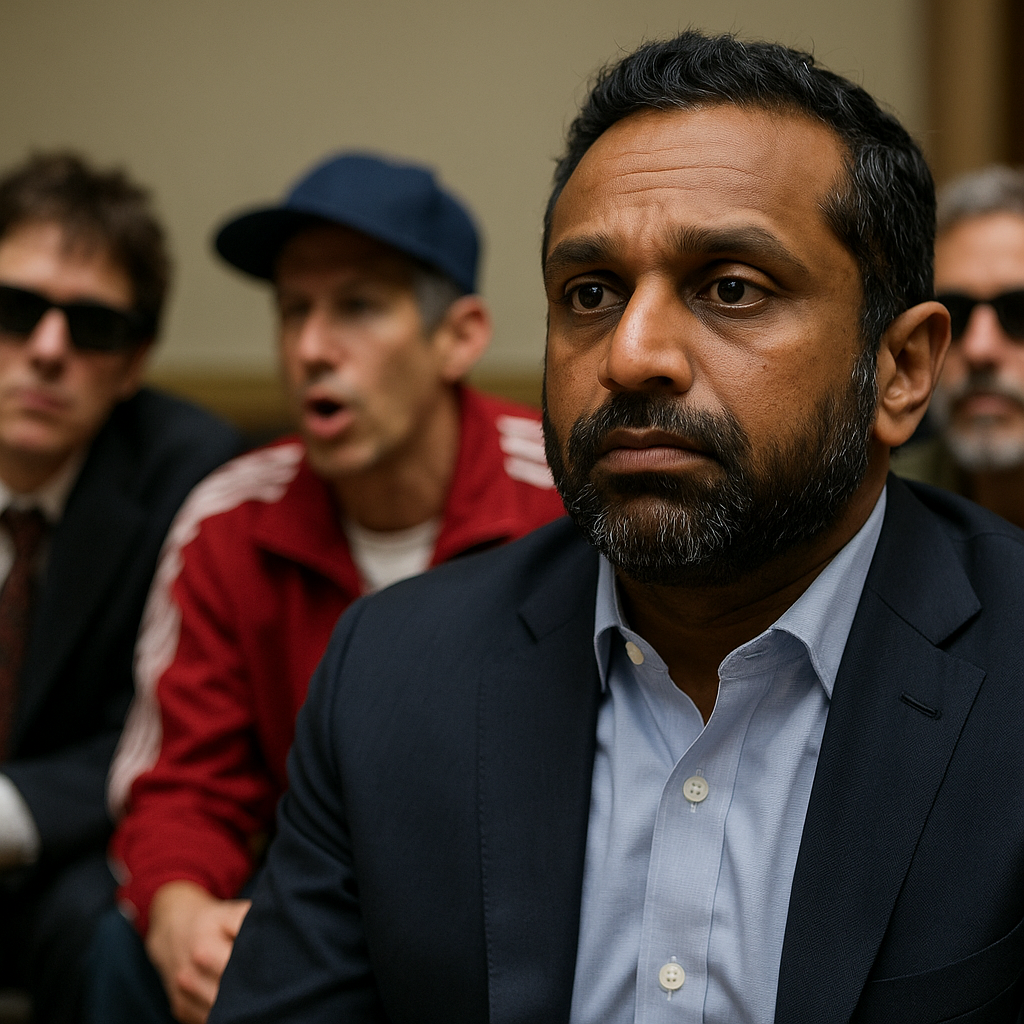
In a recent incident that highlights the growing influence of artificial intelligence in media, several prominent Republican politicians were deceived by an AI-generated image purporting to show a US airman who had been rescued by military special forces in Iran. The image, which depicted the supposed airman surrounded by smiling military personnel with a US flag draped across his lap, quickly gained traction online, igniting discussions about the need for enhanced media literacy.
The Incident
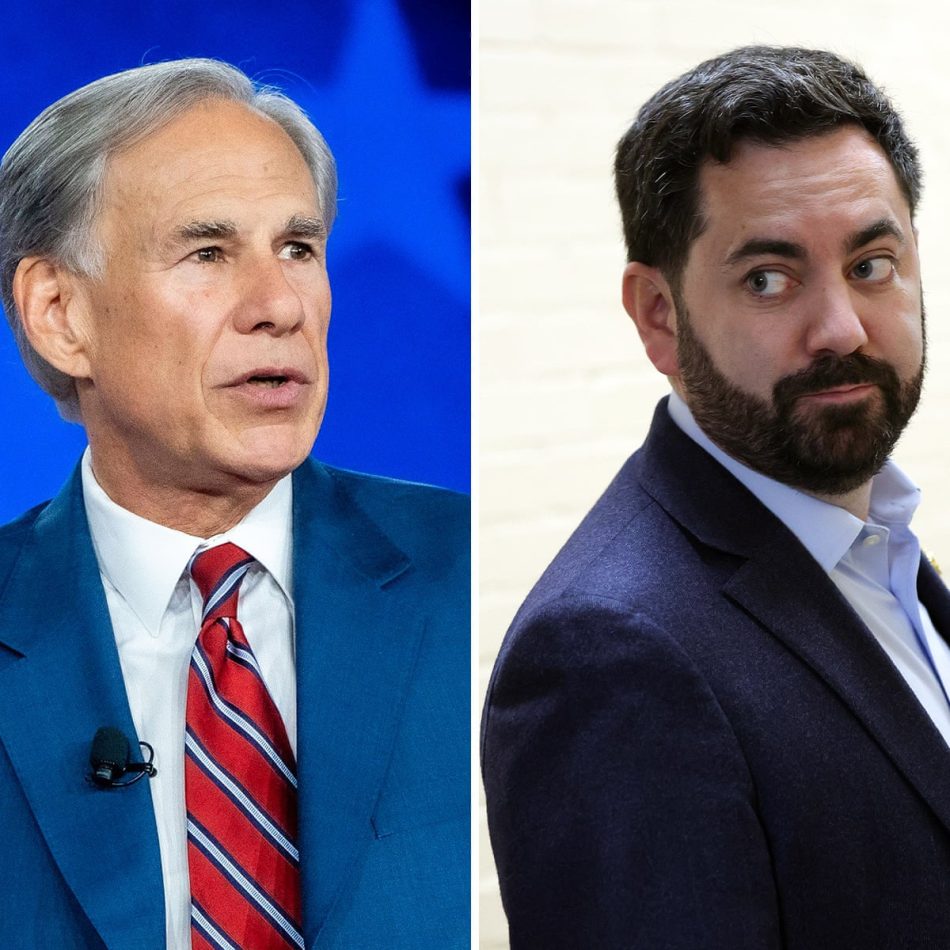
On a weekend in early April 2026, Texas Governor Greg Abbott, Texas Attorney General Ken Paxton, and New York Representative Mike Lawler all “liked” the misleading image on social media platform X (formerly Twitter). The image was shared by a pro-Trump account and has since been reshared over 21,000 times. It now carries a warning stating, “This photo is probably AI-generated.”
Political Reactions
Governor Abbott, who has a following of 1.4 million on X, initially posted the image with a comment expressing his enthusiasm. He wrote, “This is so awesome,” and added a religious note, suggesting that the timing of the rescue operation, which began on Good Friday and concluded on Easter Sunday, was a divine message to adversaries. Lawler also shared the image, captioning it with “God Bless America!”
The Role of AI in Misinformation
The proliferation of AI-generated images has become a common occurrence in the realm of news and politics. This incident is reminiscent of a previous situation where AI-generated images circulated following the capture of Nicolás Maduro, the Venezuelan dictator, in January 2026. These images depicted various scenarios, including jubilant Venezuelans and US law enforcement agents escorting Maduro off a plane.
Sofia Rubinson, a misinformation editor at NewsGuard, pointed out that while some AI-generated images may not drastically distort facts, they can fill gaps in real-time reporting and contribute to misinformation campaigns. “The use of AI-generated fabrications and dramatic, out-of-context footage is being used to fill gaps in real-time reporting and represents another tactic in the misinformation wars,” she warned.
Calls for Media Literacy
Following the incident, Billy Binion, a writer for the libertarian magazine Reason, emphasized the urgent need for a national “crash course in media literacy.” He remarked, “This kind of stuff is bleak. I get that we’re in a new era, but we desperately need a new crash course in media literacy, or just a reminder to be remotely discerning.”
Past Mistakes and Patterns
This is not the first time Governor Abbott has fallen victim to misinformation. In March 2026, he mistakenly posted what he believed was footage of an Iranian plane being shot down by a US warship, only to later discover that the video was sourced from the video game War Thunder. Additionally, in 2023, he faced ridicule for sharing a fake article about country singer Garth Brooks being booed off a Texas stage due to his support for Bud Light during a politically charged moment.
Wider Implications
While Republicans have been notably affected by this trend, they are not the only political group to utilize AI-generated images. For instance, a fabricated image of Donald Trump using a walker, shared by Democratic strategist Keith Edwards, garnered approximately 13.5 million views in December 2025. California Governor Gavin Newsom has also employed AI-generated images to reinforce political messaging, including one that depicted Trump and other figures being led away by the FBI in handcuffs.
Consequences of Misinformation
The implications of misinformation, particularly in politically charged environments, can be severe. Hany Farid, a digital forensics expert at the University of California, noted that details can be altered in ways that are dangerous in volatile situations. “In the fog of war and in conflict, it is just really messy, and we are simply adding noise to an already complicated and difficult situation,” he stated.
Conclusion
The recent incident involving the AI-generated image of a US airman underscores the urgent need for improved media literacy among the public and politicians alike. As technology continues to evolve, the potential for misinformation to influence public perception and political discourse becomes increasingly significant. It is crucial for individuals to develop critical thinking skills and discernment in evaluating the information they encounter online.
Note: The proliferation of AI-generated content presents new challenges in the information landscape, making it essential for all individuals to stay informed and vigilant against misinformation.