Bhubaneswar flood mitigation: IIT Roorkee master plan targets 13 vulnerable areas for permanent waterlogging solutions
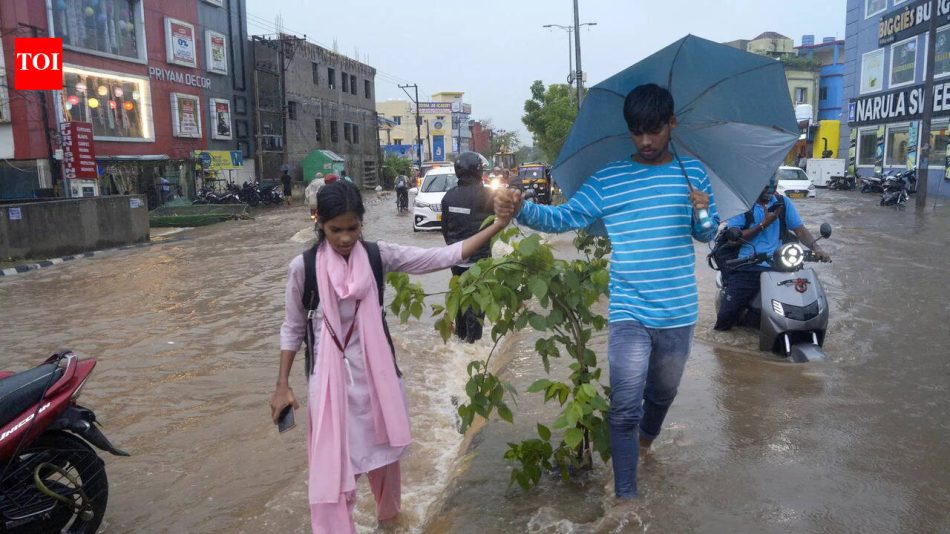
Bhubaneswar, the capital city of Odisha, has been grappling with persistent waterlogging issues, particularly during the monsoon season. To address this challenge, the Housing and Urban Development Department has collaborated with the Indian Institute of Technology (IIT) Roorkee to create a comprehensive urban flood mitigation plan. This initiative aims to provide long-term solutions to the city’s flooding problems by focusing on 13 identified vulnerable areas within the Bhubaneswar Municipal Corporation (BMC) limits.
Background of the Initiative
The initiative stems from a detailed study conducted by IIT Roorkee, which was commissioned by the BMC to prepare a stormwater drainage master plan for the city. The study involved extensive hydrological and hydraulic analyses of the existing drainage network, watershed delineation, and identification of flood-prone zones. The findings of this assessment highlighted 13 locations that are highly susceptible to urban flooding, prompting the need for immediate intervention.
Identified Vulnerable Areas
The 13 vulnerable areas identified in the master plan are crucial to the city’s drainage strategy. These locations have been prioritized for intervention based on their historical flooding patterns. The areas include:
- Iskcon
- Nayapalli
- Bomikhal
- Rasulgarh
- Main Drain 5
- Main Drain 6
- Main Drain 7
- Kalpana-Rasulgarh stretch
- Other low-lying corridors
These locations have experienced severe waterlogging during moderate to heavy rainfall, necessitating urgent drainage improvements.
Current Projects and Progress
Several projects are currently underway as part of this flood mitigation plan. The Bhubaneswar Municipal Corporation has already prepared and approved Detailed Project Reports (DPRs) for some of these locations, and work has commenced on the ground. Key projects include:
- Drainage improvement works at Iskcon and Nayapalli
- Enhancements along the Bomikhal and Rasulgarh corridor
- Construction of siphons on Main Drain 5 and 6
- Part of the DPR-based work on Main Drain 7
These initiatives are designed to provide immediate relief from flooding while contributing to a long-term solution for the city.
Future Plans and Phased Implementation
Officials have indicated that the remaining flood-prone locations will be addressed in a phased manner once the final drainage master plan is submitted by IIT Roorkee. The DPRs for the remaining corridors will be prepared and executed based on catchment-wise hydraulic assessments. This approach ensures that the solutions implemented are sustainable and effective in the long run.
Shifting Towards Permanent Solutions
Mayor Sulochana Das emphasized that this master plan represents a significant shift from temporary measures, such as desilting and pumping arrangements, to a more permanent, science-based drainage redesign. The aim is to prevent fragmented interventions and ensure that drainage improvements across the city follow a comprehensive urban flooding mitigation strategy.
This new approach is designed to reduce disruptions caused by flooding and protect low-lying areas that have historically been the most affected by urban flooding.
Community Feedback and Concerns
While the ongoing work has been met with some optimism, there are concerns among residents regarding the execution of the projects. For instance, Bomikhal resident Prakash Puhana expressed dissatisfaction with the construction approach being taken. He noted that the contractor engaged in the work is performing partial tasks instead of ensuring a seamless construction of box drains on both sides of the road. Such concerns highlight the importance of effective project management and community engagement in the implementation of these crucial infrastructure improvements.
Conclusion
The flood mitigation plan spearheaded by IIT Roorkee represents a proactive step towards addressing the chronic waterlogging issues faced by Bhubaneswar. By targeting 13 vulnerable areas and implementing a comprehensive drainage strategy, the city aims to create a sustainable solution that enhances urban resilience against flooding. As the projects progress, community feedback and effective management will be essential to ensure that the goals of the master plan are achieved.
Note: The information presented in this article is based on reports and updates available as of April 2026. For ongoing developments, please refer to local news sources.