VVCE’s MoU with IIT Ropar on AI in Agriculture
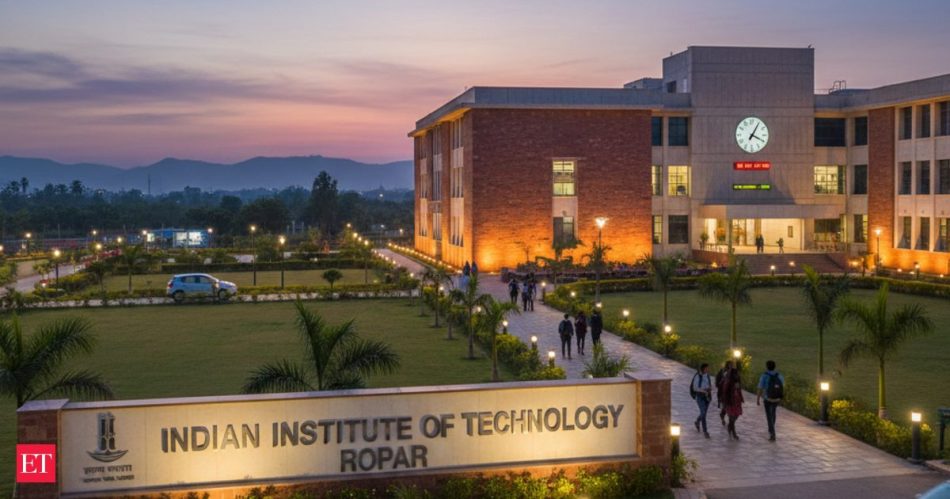
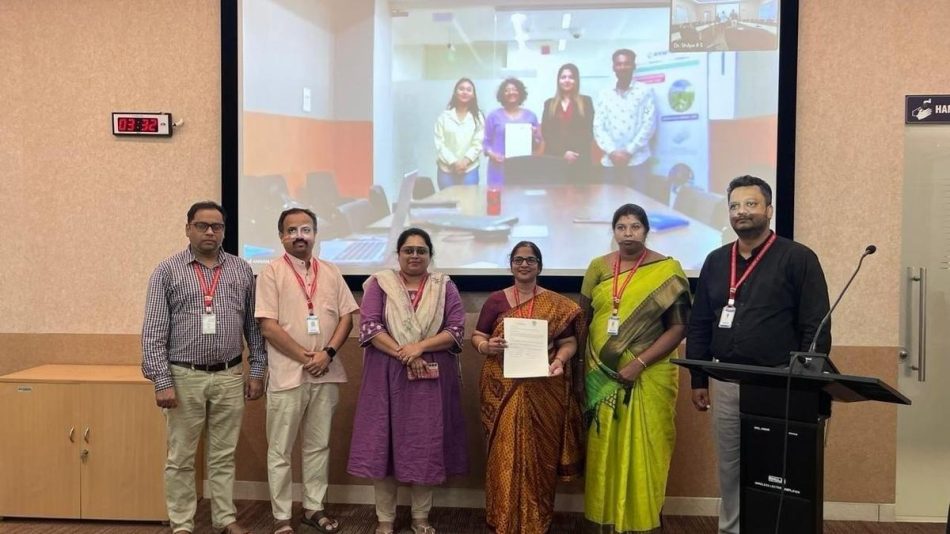
On April 2, 2026, Vidyavardhaka College of Engineering (VVCE) in Mysuru signed a significant memorandum of understanding (MoU) with the Alliance for Next-Gen Nourishment through Agriculture Modernisation (ANNAM) Centre of Excellence for Artificial Intelligence in Agriculture at the Indian Institute of Technology (IIT), Ropar. This virtual signing marks a pivotal step in enhancing research and innovation in the field of agriculture through the application of artificial intelligence (AI).
Background of the MoU
The MoU was established to foster collaboration between VVCE and IIT Ropar, focusing on the integration of AI technologies in agriculture. The ANNAM Centre of Excellence is part of a national initiative supported by the Ministry of Education, which aims to address pressing challenges in agriculture through advanced technological solutions. This initiative is one of three Centres of Excellence established in India, alongside those focusing on Healthcare and Sustainable Cities, with a total funding of ₹311 crore.
Objectives of the Collaboration
The primary objectives of the collaboration between VVCE and IIT Ropar include:
- Research and Development: Conduct joint research projects that leverage AI to improve agricultural practices.
- Smart Farming Solutions: Develop innovative solutions that address key agricultural challenges such as climate variability, soil degradation, and pest control.
- Interdisciplinary Approach: Promote interdisciplinary research that combines expertise from various fields to enhance agricultural productivity.
- Capacity Building: Train students and professionals in the application of AI technologies in agriculture.
Challenges Addressed by AI in Agriculture
The ANNAM Centre of Excellence aims to tackle several critical challenges facing the agricultural sector in India:
- Climate Variability: Developing AI models to predict weather patterns and help farmers make informed decisions.
- Soil Degradation: Implementing AI-driven soil health monitoring systems to enhance soil fertility and sustainability.
- Water Scarcity: Utilizing AI for efficient water management practices, including precision irrigation techniques.
- Pest Control: Creating AI solutions for early detection and management of pests, reducing the reliance on chemical pesticides.
- Supply Chain Inefficiencies: Enhancing supply chain management through AI analytics to reduce waste and improve market access for farmers.
Significance of the MoU
The signing of this MoU is significant for several reasons:
- Strengthening Academic Ties: It fosters a collaborative environment between academia and research institutions, enhancing the quality of education and research.
- Innovation in Agriculture: By integrating AI into agricultural practices, the collaboration aims to drive innovation and improve food security.
- Economic Growth: The initiative is expected to contribute to the economic growth of the agricultural sector by increasing productivity and efficiency.
- Environmental Sustainability: The focus on smart farming solutions promotes sustainable agricultural practices that are essential in the face of climate change.
Future Prospects
Looking ahead, the collaboration between VVCE and IIT Ropar holds great promise for the future of agriculture in India. The integration of AI technologies is expected to revolutionize farming practices, making them more efficient and sustainable. As the partnership progresses, it will likely lead to:
- Increased Research Output: A surge in publications and patents related to AI in agriculture.
- Enhanced Educational Programs: Development of specialized courses and training programs focused on AI applications in agriculture.
- Real-World Applications: Implementation of pilot projects that demonstrate the effectiveness of AI-driven solutions in real agricultural settings.
- Policy Recommendations: Contributions to policy discussions on the role of technology in enhancing agricultural productivity and sustainability.
Conclusion
The MoU between VVCE and IIT Ropar represents a significant advancement in the application of artificial intelligence in agriculture. By addressing critical challenges and fostering innovation, this collaboration is poised to make a lasting impact on the agricultural landscape in India. As the partnership unfolds, it will be crucial to monitor its outcomes and ensure that the benefits of AI technology are accessible to farmers and stakeholders across the agricultural sector.
Note: This article is based on information available as of April 2026 and aims to provide an overview of the collaboration between VVCE and IIT Ropar in the field of AI in agriculture.