
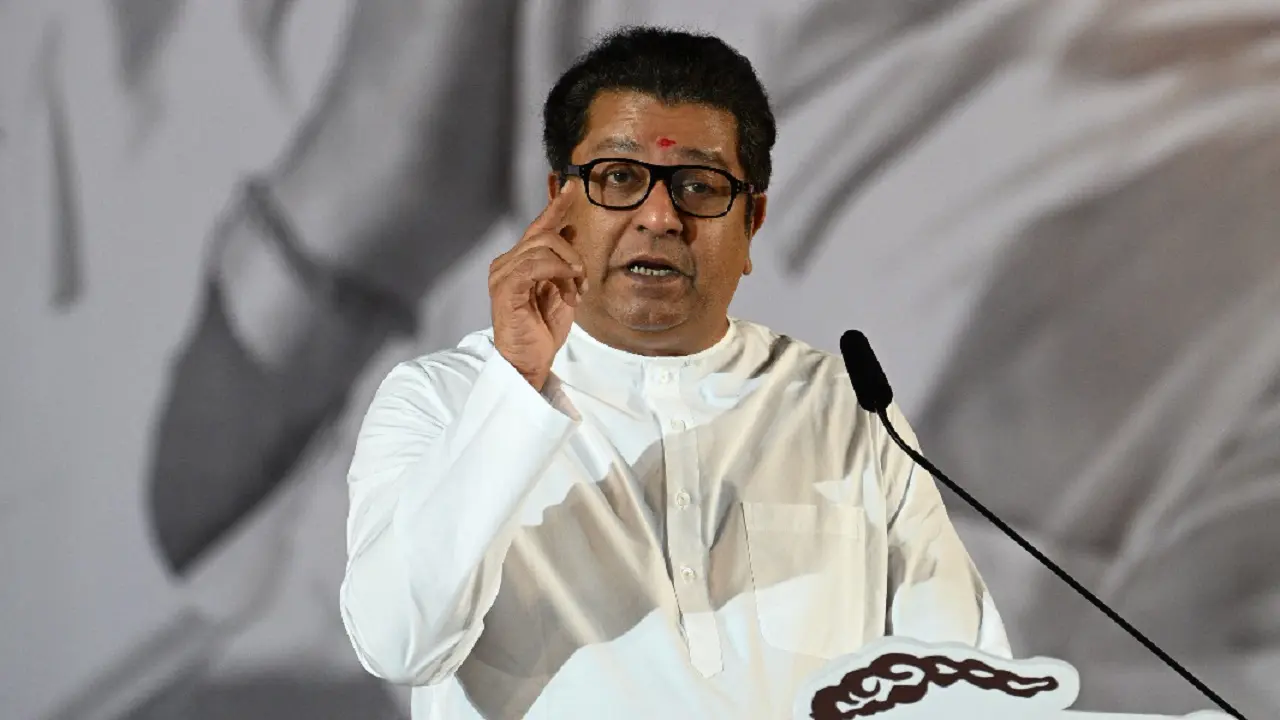
Raj Thackeray Slams Centre, Says Minister’s IIT Bombay Comment Reveals ‘Mindset’
Maharashtra Navnirman Sena (MNS) leader Raj Thackeray has recently criticized the central government following remarks made by Union Minister of State for Science and Technology, Jitendra Singh, regarding the name of the prestigious Indian Institute of Technology (IIT) Bombay. Thackeray’s comments reflect a broader concern about regional identity and the political dynamics in Maharashtra.
Background of the Controversy
During a function at IIT Bombay, Minister Jitendra Singh stated, “As far as IIT Bombay is concerned, thank God it still is this name. You have not changed it to Mumbai. So that’s another compliment to you. And also true for Madras. It remains IIT Madras.” His remarks were intended to highlight the retention of the traditional names of these institutions, which were originally established during British colonial rule.
Raj Thackeray’s Response
In response to Singh’s comments, Thackeray took to social media platform X (formerly Twitter) to express his discontent. He described the minister’s statement as indicative of the government’s mindset towards Maharashtra and its people. Thackeray emphasized that the name “Mumbai” is significant to the local culture and heritage, as it is derived from Mumbadevi, the city’s patron goddess.
Thackeray stated, “This clearly appears to be a symbol of the government’s mindset. Our Marathi Mumbai remained in Maharashtra. Now, the bitterness that’s been festering in their bellies for decades is starting to spill out once again.” He urged the people of Mumbai and the Marathi community to recognize the implications of such statements and to remain vigilant against perceived threats to their identity.
The Historical Context of Mumbai’s Name
The city of Mumbai was officially renamed from Bombay in 1995 by the state government. This change was made to honor the local goddess Mumbadevi and to move away from the colonial legacy associated with the British name. The renaming was a significant cultural and political statement, reflecting the aspirations of the Marathi people and their connection to the region.
Political Implications of the Remarks
Thackeray’s comments also highlight a broader concern regarding the central government’s approach to regional identities. He accused the government of attempting to undermine the cultural significance of Maharashtra by retaining the colonial-era name for IIT Bombay. This, he argues, is part of a larger strategy to assert control over Mumbai and the surrounding regions.
Concerns Over Regional Identity
Thackeray warned that the central government might be attempting to “wrest” control of Mumbai, similar to its previous attempts to take control of Chandigarh from Punjab. He stated, “Something similar is brewing in Mumbai’s case. An attempt to quietly take control of the city is definitely underway.” He urged the Marathi people to remain alert and united against any such attempts.
Reactions from Other Political Leaders
Other leaders from the MNS echoed Thackeray’s sentiments. MNS leader Gajanan Kale criticized the Bharatiya Janata Party (BJP) for what he termed as an ongoing pattern of insulting Marathi culture and identity. Kale demanded that local BJP leaders, including Mumbai BJP president Amit Satam and state minister Ashish Shelar, apologize for Singh’s remarks.
The Importance of Cultural Identity
The controversy surrounding the name of IIT Bombay underscores the importance of cultural identity in contemporary Indian politics. For many in Maharashtra, the name “Mumbai” is not just a label; it represents a rich history and a deep connection to the local culture. The ongoing debates about names and identities reflect larger issues of regional pride and the struggle against perceived marginalization.
Conclusion
As the political landscape in India continues to evolve, discussions about identity and representation remain crucial. The remarks by Union Minister Jitendra Singh and the subsequent backlash from Raj Thackeray and other leaders highlight the sensitivity surrounding regional identities. It is essential for political leaders to be aware of the historical and cultural significance of names and to approach such matters with respect and understanding.
Note: This article reflects the ongoing discourse surrounding regional identity in India and the political implications of cultural representation.


