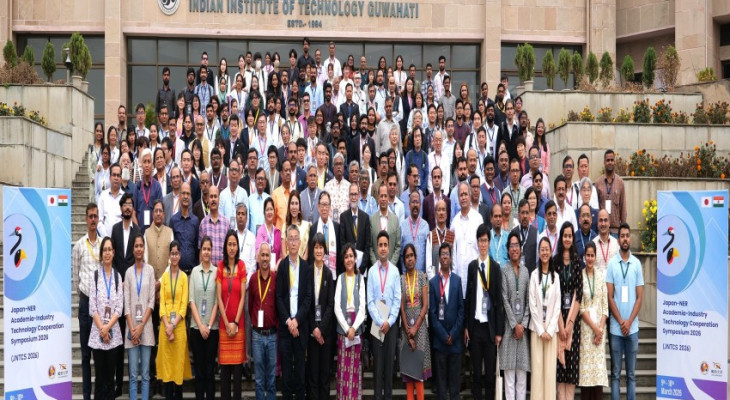
IIT Guwahati Hosts Indo-Japan Symposium, 22 NE Institutions Sign LoI
The Indian Institute of Technology (IIT) Guwahati recently played host to a significant event, the Indo-Japan Symposium, which aimed to strengthen collaboration between India and Japan in various fields of research and education. This symposium not only highlighted the importance of international cooperation but also marked a pivotal moment for educational institutions in the northeastern region of India.
Overview of the Symposium
The Indo-Japan Symposium was organized with the goal of fostering partnerships between Indian and Japanese academic institutions. The event brought together researchers, educators, and policymakers from both countries to discuss advancements in technology, innovation, and education. The symposium served as a platform for sharing knowledge, experiences, and best practices.
Key Themes and Discussions
Throughout the symposium, several key themes were discussed, reflecting the mutual interests of both nations. Some of the prominent topics included:
- Technological Innovation: The role of technology in driving economic growth and improving quality of life.
- Research Collaboration: Opportunities for joint research projects in fields such as environmental science, artificial intelligence, and renewable energy.
- Cultural Exchange: The importance of cultural understanding and exchange in strengthening bilateral relations.
- Education and Skill Development: Strategies for enhancing educational frameworks to meet the demands of the global job market.
Participation of Northeastern Institutions
A notable aspect of the symposium was the participation of 22 educational institutions from the northeastern region of India. These institutions signed a Letter of Intent (LoI) to collaborate with their Japanese counterparts. This agreement is expected to pave the way for various initiatives aimed at enhancing educational and research opportunities in the region.
Significance of the LoI
The signing of the LoI signifies a commitment to fostering academic partnerships that can lead to:
- Joint Research Initiatives: Collaborative projects that can address local and global challenges.
- Student Exchange Programs: Opportunities for students to study abroad and gain international exposure.
- Faculty Development: Training and development programs for faculty members to enhance their teaching and research capabilities.
- Innovation Hubs: Establishing centers of excellence that can drive innovation and entrepreneurship in the region.
Impact on the Northeastern Region
The northeastern region of India has immense potential for growth and development, particularly in the fields of education and technology. The collaboration with Japanese institutions is expected to have a profound impact on the region by:
- Enhancing Educational Standards: Exposure to international standards of education can help improve the quality of teaching and learning.
- Boosting Local Economy: By fostering innovation and entrepreneurship, the collaboration can create job opportunities and stimulate economic growth.
- Encouraging Research and Development: Increased research activities can lead to solutions for local issues, such as environmental sustainability and healthcare.
- Strengthening Cultural Ties: Cultural exchanges can promote mutual understanding and respect between India and Japan.
Future Prospects
The Indo-Japan Symposium is just the beginning of what is hoped to be a long-lasting partnership between India and Japan. The commitment shown by the participating institutions indicates a shared vision for the future. Moving forward, the focus will be on:
- Implementation of Collaborative Projects: Initiating the projects outlined in the LoI and ensuring their successful execution.
- Regular Symposiums and Workshops: Organizing future events to continue the dialogue and collaboration between institutions.
- Monitoring and Evaluation: Establishing mechanisms to assess the impact of the collaborations and make necessary adjustments.
Conclusion
The Indo-Japan Symposium at IIT Guwahati marks a significant step towards enhancing educational and research collaborations between India and Japan. The signing of the LoI by 22 northeastern institutions is a testament to the commitment to fostering partnerships that can lead to meaningful advancements in education and technology. As both nations continue to work together, the potential for growth and innovation in the northeastern region of India becomes increasingly promising.
Note: The information presented in this article is based on the latest available data as of October 2023 and aims to provide an overview of the Indo-Japan Symposium and its implications for educational collaborations.