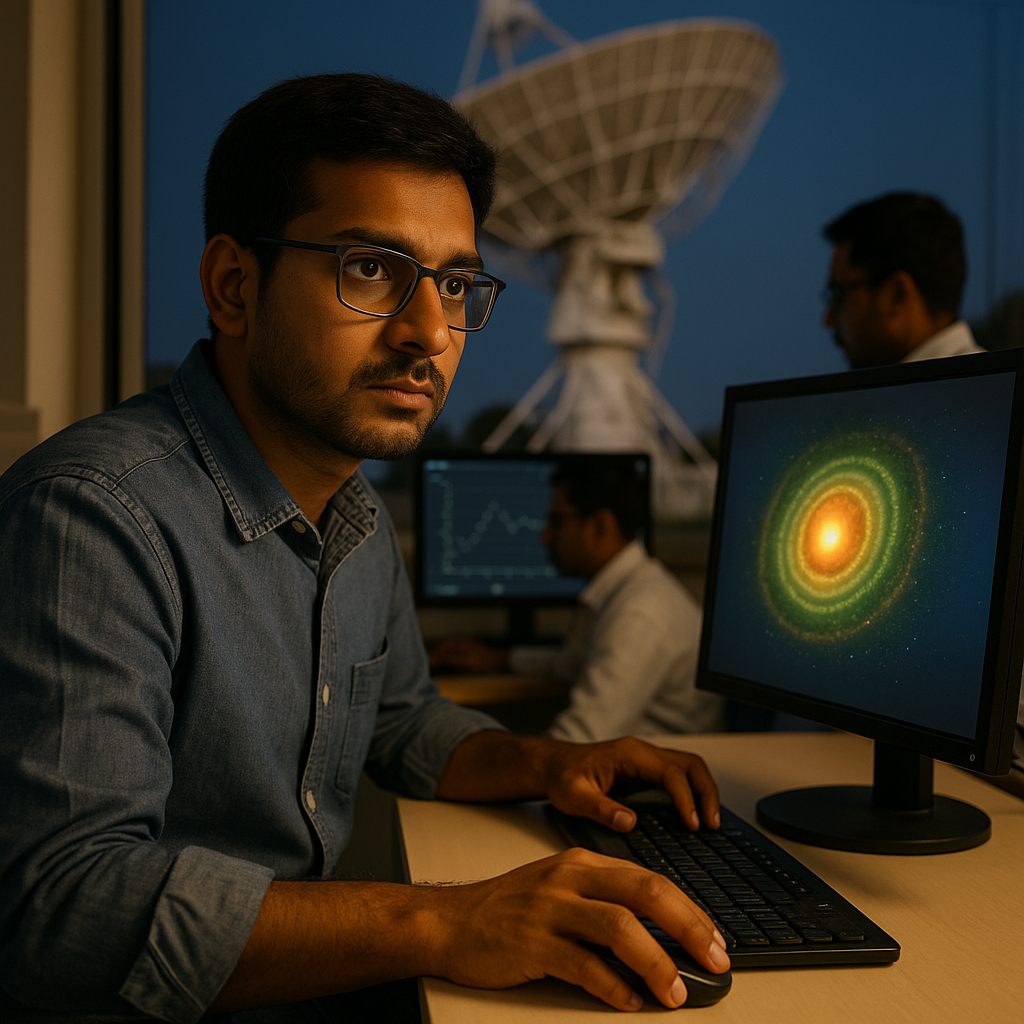
Meet Mriganka Sur, the IIT Kanpur engineer called Newton of brain science at MIT
Mriganka Sur is a name that resonates within the realms of neuroscience and engineering. As a distinguished professor at the Massachusetts Institute of Technology (MIT), Sur has made significant contributions to our understanding of the brain, earning him the moniker “the Newton of brain science.” His journey from the Indian Institute of Technology (IIT) Kanpur to one of the world’s leading research institutions is a testament to his dedication and brilliance.
Early Life and Education
Mriganka Sur was born and raised in India, where he developed an early interest in science and technology. His academic journey began at IIT Kanpur, one of the premier engineering institutions in India, where he pursued a degree in electrical engineering. Sur’s passion for understanding complex systems led him to delve deeper into the field of neuroscience.
Transition to Neuroscience
After completing his undergraduate studies, Sur sought to explore the intersection of engineering and biology. He went on to obtain a Ph.D. in neuroscience from the University of California, San Diego. His research focused on the mechanisms of visual processing in the brain, a topic that would later become a cornerstone of his work. Sur’s ability to apply engineering principles to biological systems set him apart in the field.
Academic Career at MIT
In 1990, Mriganka Sur joined MIT as a faculty member in the Department of Brain and Cognitive Sciences. His research has primarily revolved around understanding how the brain processes sensory information, particularly in the visual system. Sur’s work has been instrumental in developing new techniques for studying brain function and has paved the way for advancements in both neuroscience and artificial intelligence.
Key Research Contributions
Throughout his career, Sur has made several groundbreaking contributions to the field of neuroscience. Some of the highlights include:
- Visual Cortex Research: Sur’s studies on the visual cortex have provided insights into how the brain interprets visual stimuli and how these processes can be altered by experience and learning.
- Neural Plasticity: His research has shed light on neural plasticity—the brain’s ability to adapt and reorganize itself in response to new experiences. This has significant implications for understanding recovery from brain injuries.
- Innovative Imaging Techniques: Sur has developed advanced imaging techniques that allow researchers to observe brain activity in real-time, enhancing our understanding of neural dynamics.
Acknowledgments and Awards
Mriganka Sur’s contributions to neuroscience have not gone unnoticed. He has received numerous awards and honors throughout his career, including:
- The National Science Foundation’s Faculty Early Career Development Award
- The MIT School of Science Teaching Prize
- Election to the American Academy of Arts and Sciences
Impact on Education and Mentorship
In addition to his research, Sur is deeply committed to education and mentorship. He has played a crucial role in shaping the next generation of scientists and engineers. His teaching philosophy emphasizes the importance of interdisciplinary approaches, encouraging students to explore the connections between engineering, biology, and cognitive sciences.
Collaborations and Interdisciplinary Work
Sur’s work often involves collaboration with researchers from various fields, including computer science, psychology, and engineering. This interdisciplinary approach has led to innovative projects that bridge the gap between neuroscience and technology.
Projects and Initiatives
Some notable projects that highlight Sur’s collaborative spirit include:
- Brain-Machine Interfaces: Sur has been involved in research aimed at developing brain-machine interfaces that could allow individuals with disabilities to control devices using their thoughts.
- Artificial Intelligence: His work has implications for the development of AI systems that mimic human cognitive processes, particularly in visual recognition and decision-making.
Future Directions
Looking ahead, Mriganka Sur aims to continue his exploration of the brain’s complexities. He is particularly interested in understanding how neural circuits contribute to behavior and cognition. Sur believes that by unraveling these mysteries, researchers can develop new therapeutic strategies for neurological disorders.
Conclusion
Mriganka Sur’s journey from IIT Kanpur to MIT exemplifies the power of interdisciplinary research and the importance of mentorship in science. As he continues to push the boundaries of neuroscience, his work not only enhances our understanding of the brain but also inspires future generations of scientists and engineers. His contributions have solidified his reputation as a leading figure in brain science, earning him the title of “the Newton of brain science.”
Note: This article is based on publicly available information and aims to provide an overview of Mriganka Sur’s contributions to neuroscience and engineering.