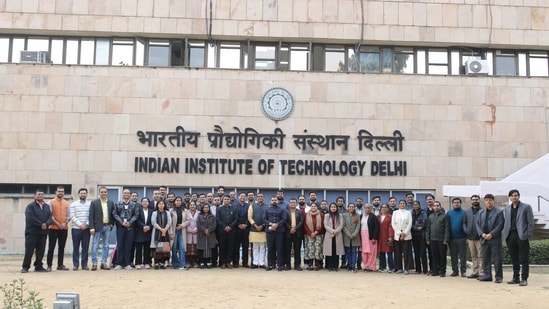
AIIMS brings IIT Delhi, MIT experts together to drive doctor-engineer collab in healthcare
The All India Institute of Medical Sciences (AIIMS) has initiated a groundbreaking collaboration involving experts from the Indian Institute of Technology (IIT) Delhi and the Massachusetts Institute of Technology (MIT). This partnership aims to foster innovative solutions in the healthcare sector by bridging the gap between medical professionals and engineers.
The Need for Collaboration
In recent years, the healthcare industry has witnessed a significant transformation due to advancements in technology. The integration of engineering principles into medical practices is essential to enhance patient care, improve diagnostic tools, and streamline healthcare processes. Recognizing this need, AIIMS has taken the lead in creating a platform where doctors and engineers can collaborate effectively.
Objectives of the Collaboration
The primary objectives of this collaboration include:
- Enhancing Medical Technology: Developing new medical devices and technologies that can improve patient outcomes.
- Improving Diagnostics: Creating advanced diagnostic tools that leverage engineering techniques to provide faster and more accurate results.
- Training and Education: Offering training programs that equip healthcare professionals with the necessary skills to utilize new technologies.
- Research and Development: Conducting joint research projects that explore innovative solutions to existing healthcare challenges.
Key Participants
This collaboration brings together a diverse group of experts, including:
- Medical Professionals: Leading doctors and healthcare practitioners from AIIMS who understand the complexities of patient care.
- Engineers: Specialists from IIT Delhi and MIT who possess the technical expertise to develop innovative solutions.
- Researchers: Academics and researchers who will contribute to the scientific foundation of the collaboration.
Expected Outcomes
The collaboration is expected to yield several positive outcomes, such as:
- Innovative Medical Devices: The development of cutting-edge medical devices that can be used in hospitals and clinics.
- Improved Patient Care: Enhanced treatment protocols that integrate technology to provide better care for patients.
- Increased Efficiency: Streamlined processes that reduce waiting times and improve the overall patient experience.
- Knowledge Sharing: An exchange of knowledge and skills between medical and engineering professionals that fosters innovation.
Challenges to Overcome
While the collaboration holds great promise, there are several challenges that need to be addressed:
- Communication Barriers: Ensuring effective communication between medical and engineering professionals who may have different terminologies and approaches.
- Funding and Resources: Securing adequate funding and resources to support research and development initiatives.
- Regulatory Hurdles: Navigating the regulatory landscape to ensure that new technologies meet safety and efficacy standards.
Future Prospects
The collaboration between AIIMS, IIT Delhi, and MIT represents a significant step forward in the integration of technology and healthcare. As the partnership progresses, it is anticipated that:
- New Innovations: The development of groundbreaking technologies that can revolutionize patient care.
- Global Collaboration: Opportunities for international collaboration with other institutions and organizations in the healthcare sector.
- Long-term Impact: A lasting impact on the healthcare industry, leading to improved health outcomes for patients across the globe.
Conclusion
The initiative by AIIMS to bring together experts from IIT Delhi and MIT is a visionary step towards enhancing healthcare through engineering collaboration. By leveraging the strengths of both fields, this partnership has the potential to create innovative solutions that address pressing healthcare challenges. As the collaboration unfolds, it will be crucial to monitor its progress and outcomes to ensure that it achieves its goals and contributes positively to the healthcare landscape.
Note: The information presented in this article is based on the latest developments as of April 2026.