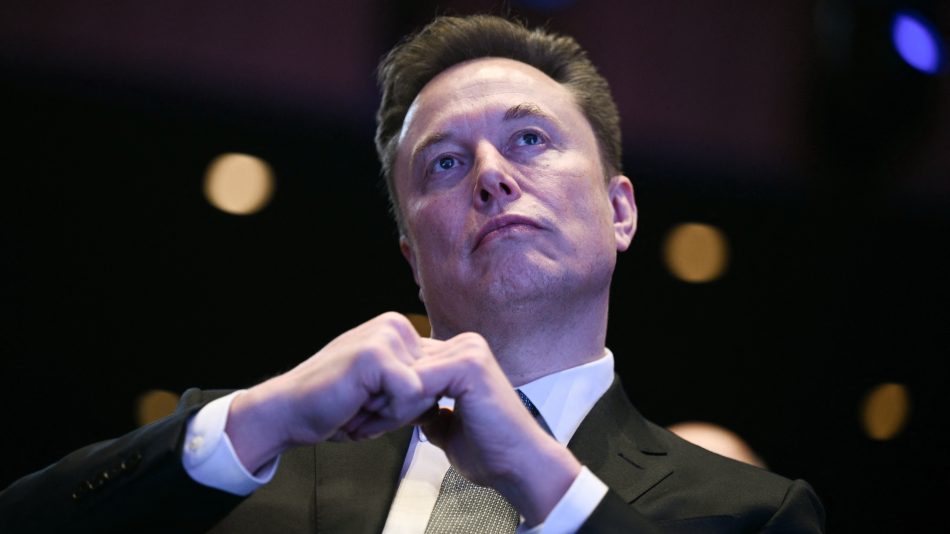
xAI sues Colorado over first state AI anti-discrimination law
In a significant legal development, xAI, a company founded by Elon Musk, has initiated a lawsuit against the state of Colorado. The lawsuit challenges the recently enacted AI anti-discrimination law, which is the first of its kind in the United States. This legal action raises important questions about the intersection of artificial intelligence (AI) technology and civil rights.
Background of the Legislation
Colorado’s AI anti-discrimination law was introduced to ensure that AI systems used in hiring, lending, and other critical areas do not perpetuate biases against individuals based on race, gender, or other protected characteristics. The law aims to promote fairness and transparency in the deployment of AI technologies, which have become increasingly common in various sectors.
The legislation requires companies to conduct impact assessments of their AI systems to identify and mitigate potential biases. It also mandates that companies provide clear explanations of how their AI algorithms make decisions, thereby enhancing accountability.
Details of the Lawsuit
xAI’s lawsuit contends that the Colorado law imposes unreasonable restrictions on the development and deployment of AI technologies. The company argues that the requirements for impact assessments and transparency could stifle innovation and hinder the competitive edge of AI firms operating in the state.
In its legal filing, xAI claims that the law is overly broad and vague, potentially leading to confusion and inconsistency in its application. The company asserts that the law could result in significant compliance costs that may disproportionately affect smaller AI startups, thereby limiting competition in the industry.
Arguments for the Law
Supporters of the AI anti-discrimination law argue that it is a necessary step to protect individuals from the unintended consequences of AI technologies. They point out that AI systems can inadvertently reflect and amplify existing societal biases if not properly monitored and adjusted.
Advocates believe that the law will help create a more equitable environment in which AI can operate. By ensuring that AI systems are fair and transparent, the law aims to build public trust in these technologies, which is crucial for their widespread adoption.
Potential Implications of the Lawsuit
The outcome of xAI’s lawsuit could have far-reaching implications for the future of AI regulation in the United States. If the court rules in favor of xAI, it could set a precedent that undermines similar laws in other states, potentially leading to a patchwork of regulations that vary significantly across the country.
Conversely, if Colorado’s law is upheld, it may encourage other states to adopt similar legislation, further solidifying the trend toward regulating AI technologies. This could lead to a more standardized approach to AI regulation, promoting fairness and accountability in the industry.
Industry Reactions
The tech industry has been closely monitoring the developments surrounding the lawsuit. Many companies are concerned about the implications of the law and the potential for increased regulatory scrutiny. Some industry leaders have expressed support for responsible AI practices but are wary of overly burdensome regulations that could stifle innovation.
Others have called for a collaborative approach between lawmakers and tech companies to develop regulations that protect consumers without hindering technological advancement. They argue that a balance must be struck to ensure that AI can continue to evolve while also addressing the ethical concerns surrounding its use.
The Future of AI Regulation
As AI technologies continue to advance rapidly, the need for effective regulation becomes increasingly pressing. The Colorado law represents a significant step toward addressing the ethical implications of AI, but it also highlights the challenges of regulating a technology that is still in its infancy.
Experts suggest that future regulations should focus on establishing clear guidelines for AI development and deployment while allowing for flexibility to adapt to the fast-paced nature of technological innovation. This approach could help ensure that regulations remain relevant and effective in addressing emerging challenges.
Conclusion
xAI’s lawsuit against Colorado over the state’s AI anti-discrimination law underscores the ongoing debate about how best to regulate artificial intelligence. As the legal proceedings unfold, they will likely shape the future landscape of AI regulation in the United States and beyond. The balance between fostering innovation and ensuring ethical practices will be a critical consideration for lawmakers and industry leaders alike.
Note: This article is based on current events and may evolve as new information becomes available.