We still sponsor H-1Bs…$100K won’t stop us: US firm puts up hoardings outside IIT Delhi
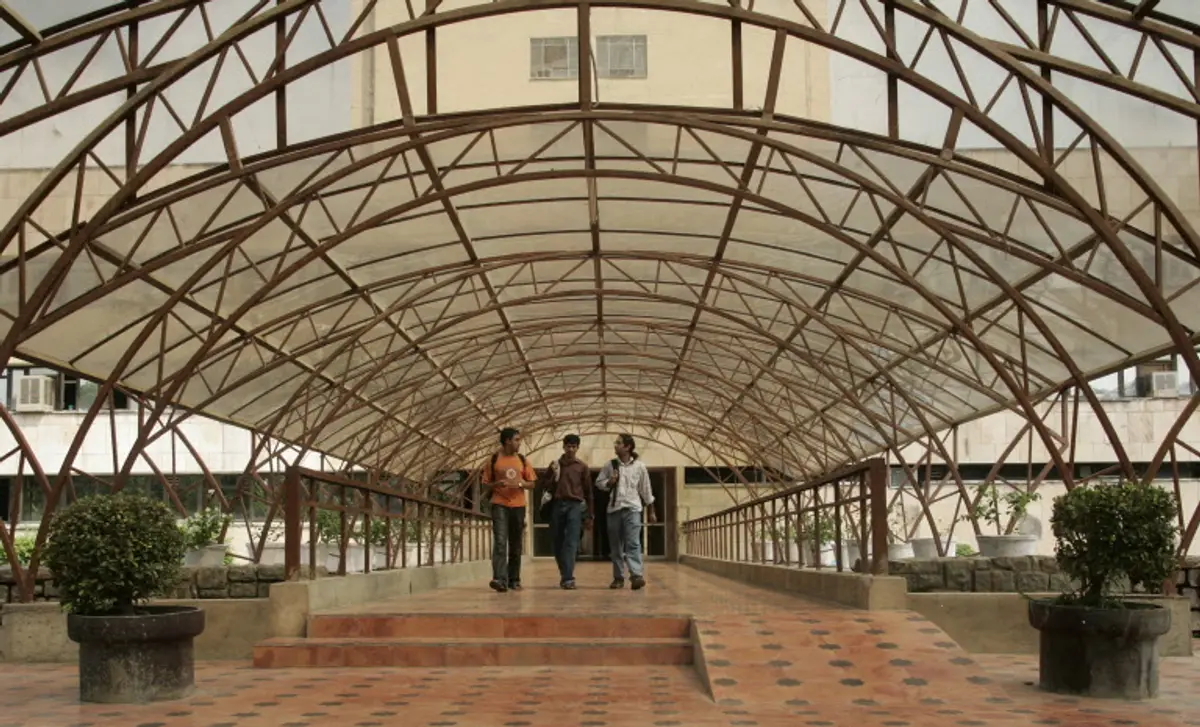
In a bold move reflecting the ongoing dynamics of the job market, an American company has placed large banners outside the Indian Institute of Technology (IIT) Delhi, proclaiming their commitment to sponsor H-1B visas despite the recent imposition of a hefty $100,000 fee for employers. This initiative comes at a time when many Indian graduates are re-evaluating their aspirations for careers in the United States.
The Context of H-1B Visa Changes
The H-1B visa program allows U.S. companies to employ foreign workers in specialty occupations. However, recent changes to the program, including a significant fee increase introduced by former President Donald Trump, have raised concerns among potential applicants. The $100,000 fee is aimed at discouraging companies from relying on foreign talent, particularly from countries like India and China.
Visible Commitment to Hiring
According to a report by Bloomberg, the banners displayed outside IIT Delhi read phrases such as “We still sponsor H-1Bs” and “$100K isn’t going to stop us from hiring the best.” These messages are not isolated to a single location; they have appeared across various premier engineering colleges in India, signaling a strong message from U.S. firms about their willingness to invest in international talent.
Changing Perspectives Among Graduates
For decades, graduates from IITs and other prestigious institutions have sought opportunities in the U.S. tech and finance sectors, often viewing American jobs as the pinnacle of success. However, the landscape is shifting. Major companies such as Microsoft, Amazon, JPMorgan, and Goldman Sachs have established significant operations in India, drawing talent back home.
Growing Domestic Opportunities
India’s economy is on an upward trajectory, with projections indicating it may soon surpass Japan to become the world’s fourth-largest economy. More than half of India’s economic output is now derived from the services sector, and cities like Bengaluru, Hyderabad, and Pune are emerging as global tech hubs. This growth is fostering a renewed sense of confidence among young engineers, encouraging them to consider building their careers in India.
Expert Opinions
According to Ashok Jhunjhunwala, founder of the IIT-Madras Research Park, “A good number of students are now staying in India. There is tremendous raw talent here.” This sentiment is echoed by various professors and industry experts who believe that the rising domestic opportunities are reshaping the aspirations of young engineers.
Impact of the H-1B Fee on Applications
The introduction of the $100,000 fee has led to a noticeable decline in applications from Indian students to U.S. colleges. Data from the Common App indicates a 14% decrease since Trump took office again. This decline reflects a broader trend where students are reconsidering the necessity of a U.S. degree for career advancement.
Reactions from U.S. Employers
While smaller companies have paused their H-1B application processes due to the increased costs, larger firms continue to express their commitment to hiring skilled workers from abroad. Tech leaders such as Elon Musk and Jensen Huang of Nvidia have publicly supported the H-1B program, emphasizing the importance of global talent in driving innovation.
Future Outlook for Indian Graduates
As recruitment season approaches, many IIT students are beginning to view opportunities in India as equally viable as those abroad. The perception that a U.S. job is the only pathway to success is fading, as the domestic market continues to flourish. This shift in mindset is critical for the future of India’s engineering workforce.
Concerns Among Smaller Colleges
Despite the optimism among IIT graduates, students from smaller colleges still harbor concerns about their job prospects. For many, a U.S. degree remains a crucial element in securing better employment opportunities. The disparity in perceptions between elite institutions and smaller colleges highlights ongoing challenges within India’s education system.
Conclusion
The placement of banners outside IIT Delhi serves as a reminder of the evolving job market and the complexities surrounding the H-1B visa program. As U.S. companies continue to express their commitment to hiring international talent, Indian graduates are increasingly weighing their options and considering the benefits of building careers at home. The interplay between domestic growth and international opportunities will shape the future of India’s engineering landscape.
Note: The information presented in this article is based on reports and data available as of December 2025.