
A War Veteran’s Daughter, a Gold Medalist & a Journalist: All Women, All Stripped of Vote
The recent deletion of numerous names from the electoral rolls in West Bengal has sparked outrage among citizens, particularly highlighting the plight of women voters. Among those affected are a war veteran’s daughter, a gold medalist, and a journalist, all of whom have been stripped of their voting rights despite having valid documentation. This situation raises significant concerns about the integrity of the electoral process in India.
Background of the Incident
In a shocking turn of events, several distinguished academics, including professors from the Indian Institute of Management (IIM) Kolkata and Aliah University, found themselves marked as “deleted” voters in the Election Commission of India’s (ECI) electoral rolls. This issue has been compounded by the ongoing protests at Park Circus Maidan, where citizens have been rallying for over 40 days to demand the reinstatement of approximately 27 lakh voters who have been unjustly removed.
Profiles of the Affected Women
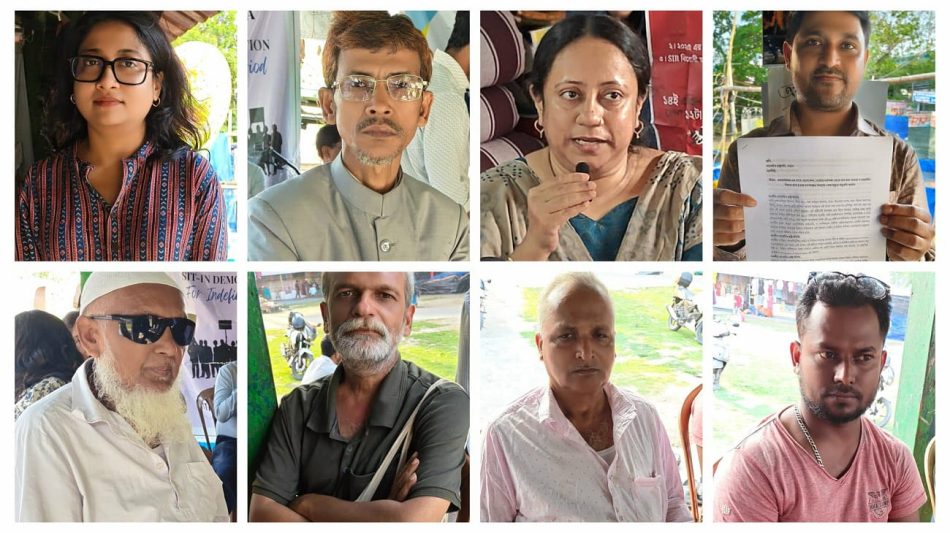
Among the deleted voters are three notable women whose stories exemplify the broader issue at hand:
Nandita Roy: The War Veteran’s Daughter
Nandita Roy, a 38-year-old professor at IIM Kolkata, is the daughter of a war veteran and granddaughter of an army veteran. Despite her distinguished academic background, which includes teaching at multiple IIMs and publishing research in renowned journals, she found herself removed from the voter list. Roy expressed her frustration, stating, “I have been a voter since 2009. Why should I become a new voter?” Her situation raises questions about the treatment of women voters in India, particularly those who may not have the same resources to contest such decisions.
Melisha Khatun: The Gold Medalist
Melisha Khatun, the Head of the Department of Economics at Aliah University, is another victim of this electoral injustice. A gold medalist in her MSc program and a prolific researcher, Khatun is bewildered by her removal from the voter list. “I cannot believe I am no longer a voter in the world’s largest democracy,” she lamented. Her case underscores the absurdity of the situation, where accomplished individuals are stripped of their fundamental rights.
Shamim Akhtar: The Academic and Activist
Shamim Akhtar, also a professor at Aliah University, shares a similar fate. Alongside his name, his son’s name, who is a first-year MBBS student, was also deleted. Akhtar has all the necessary documentation, including a passport, yet he finds himself disenfranchised. His story is a stark reminder of how systemic failures can impact families and individuals, regardless of their academic or professional standing.
The Broader Implications
The deletion of these voters is not just an isolated incident; it reflects a larger systemic issue within the electoral process in India. The Election Commission’s handling of voter registrations and deletions has come under scrutiny, particularly regarding the software used to process these lists. Activists have pointed out that discrepancies, such as minor spelling errors, have led to significant consequences for many voters.
Protests and Public Outcry
The ongoing protests at Park Circus Maidan have drawn attention to the plight of the deleted voters. Activists, including Faridul Islam, have taken a stand, even going so far as to write to the President and Chief Justice of India, expressing their despair and demanding action. “Add 27 lakh names or let me die,” he stated in his appeal, highlighting the desperation felt by many who have lost their voting rights.
Voices of Concern
Other activists have also joined the movement, voicing their concerns about the impact of these deletions on democracy. Sandeep Ahamed, another activist whose name was deleted due to a software error, shared his frustration about the lack of accountability in the electoral process. “The BLO, as well as a special observer, said it was a software mistake, but instead it got deleted,” he explained.
Conclusion
The situation surrounding the deletion of voters in West Bengal raises critical questions about the integrity of the electoral process and the treatment of women voters in India. The stories of Nandita Roy, Melisha Khatun, and Shamim Akhtar serve as powerful reminders of the challenges faced by individuals in asserting their rights in a democratic society. As protests continue and calls for action grow louder, it is imperative for the Election Commission to address these issues transparently and effectively.
Note: The deletion of voter names not only disenfranchises individuals but also undermines the very foundation of democracy. It is crucial for authorities to ensure that every eligible voter is given the opportunity to participate in the electoral process.


