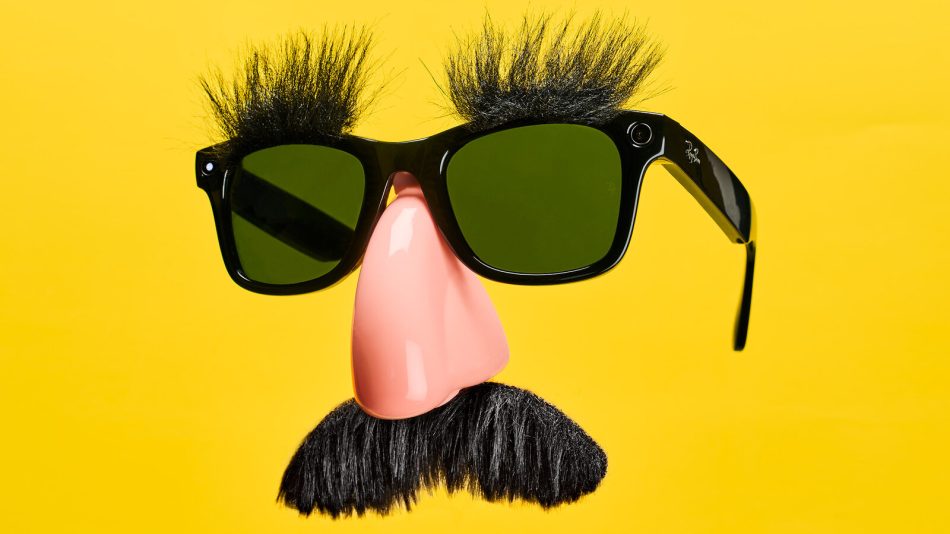
I Feel So Sorry for My A.I. Sunglasses
In an age where technology intertwines seamlessly with our daily lives, the introduction of artificial intelligence (AI) into everyday products has transformed the way we experience the world. Among these innovations, A.I. sunglasses have emerged as a fascinating yet somewhat melancholic addition to our tech-driven existence. This article delves into the intriguing world of A.I. sunglasses, exploring their capabilities, implications, and the emotional responses they evoke.
The Rise of A.I. Sunglasses
A.I. sunglasses represent a significant leap in wearable technology. These smart eyewear products are equipped with advanced sensors and algorithms that enhance the user’s visual experience. They can adjust tint based on lighting conditions, provide navigation assistance, and even integrate with smartphones for notifications and calls. The convergence of fashion and technology has led to a new accessory that not only serves a functional purpose but also makes a bold statement.
Key Features of A.I. Sunglasses
- Adaptive Tinting: The lenses automatically adjust to varying light conditions, providing optimal visibility and comfort.
- Navigation Assistance: Integrated GPS allows users to receive directions directly through the sunglasses, enhancing outdoor activities.
- Voice Commands: Users can control various functions through voice activation, making it hands-free and convenient.
- Health Monitoring: Some models track UV exposure and remind users to apply sunscreen or seek shade.
The Emotional Connection
Despite their impressive features, A.I. sunglasses evoke a sense of empathy and concern among users. As we become more reliant on technology, we may inadvertently overlook the emotional and social implications of these advancements. The notion of feeling sorry for A.I. sunglasses stems from several factors:
1. The Anthropomorphism of Technology
As humans, we have a tendency to anthropomorphize objects, attributing human-like qualities and emotions to them. This phenomenon can lead to a sense of pity for A.I. sunglasses, as they are designed to serve us yet lack true consciousness or agency. Users may feel a connection to their sunglasses, imagining them as companions that are always there to assist, yet they are ultimately inanimate objects.
2. The Fear of Obsolescence
With the rapid pace of technological advancement, there is an underlying fear that A.I. sunglasses, like many other gadgets, will quickly become outdated. This fear of obsolescence can lead to a sense of sorrow for these devices, as they may be seen as temporary solutions in a world that constantly demands the latest innovations.
3. The Loss of Simplicity
In a world increasingly dominated by technology, there is a nostalgic yearning for simpler times. A.I. sunglasses, while offering convenience and enhanced functionality, may also symbolize the loss of simplicity in our lives. Users might feel a sense of regret for the days when sunglasses were merely a protective accessory rather than a complex technological device.
The Social Implications
The integration of A.I. into everyday items like sunglasses raises important social questions. As we embrace these technologies, we must consider their impact on interpersonal relationships and societal norms.
1. The Shift in Human Interaction
As A.I. sunglasses facilitate communication and information access, they may inadvertently hinder face-to-face interactions. Users may become more engrossed in their devices, leading to a decline in meaningful conversations and connections with others. This shift can lead to feelings of isolation, as individuals may prioritize their A.I. companions over human relationships.
2. Privacy Concerns
The capabilities of A.I. sunglasses raise significant privacy concerns. With features like voice commands and GPS tracking, users may unknowingly expose themselves to surveillance and data collection. This intrusion into personal privacy can lead to anxiety and mistrust, creating a complicated relationship between users and their technology.
Balancing Innovation and Emotion
As we navigate the complexities of A.I. technology, it is essential to strike a balance between innovation and emotional well-being. Here are some strategies to foster a healthier relationship with A.I. sunglasses and similar devices:
1. Mindful Usage
Users should practice mindful usage of A.I. sunglasses, being aware of the time spent interacting with technology. Setting boundaries on device usage can help maintain a balance between technology and real-life experiences.
2. Embrace Simplicity
While A.I. sunglasses offer advanced features, users should also appreciate the simplicity of traditional sunglasses. Embracing both types can create a more balanced approach to eyewear.
3. Foster Human Connections
Encouraging face-to-face interactions and prioritizing relationships over technology can help mitigate feelings of isolation. Users should strive to engage with others in meaningful ways, even when wearing A.I. sunglasses.
Conclusion
A.I. sunglasses embody the duality of modern technology—offering convenience and innovation while evoking feelings of empathy and concern. As we embrace these advancements, it is crucial to remain aware of their emotional and social implications. By fostering a balanced relationship with our devices, we can enjoy the benefits of technology while preserving the essence of human connection.
Note: The exploration of A.I. sunglasses highlights the importance of understanding the emotional and social dimensions of technology in our lives. As we continue to innovate, let us not forget the value of simplicity and genuine human interaction.