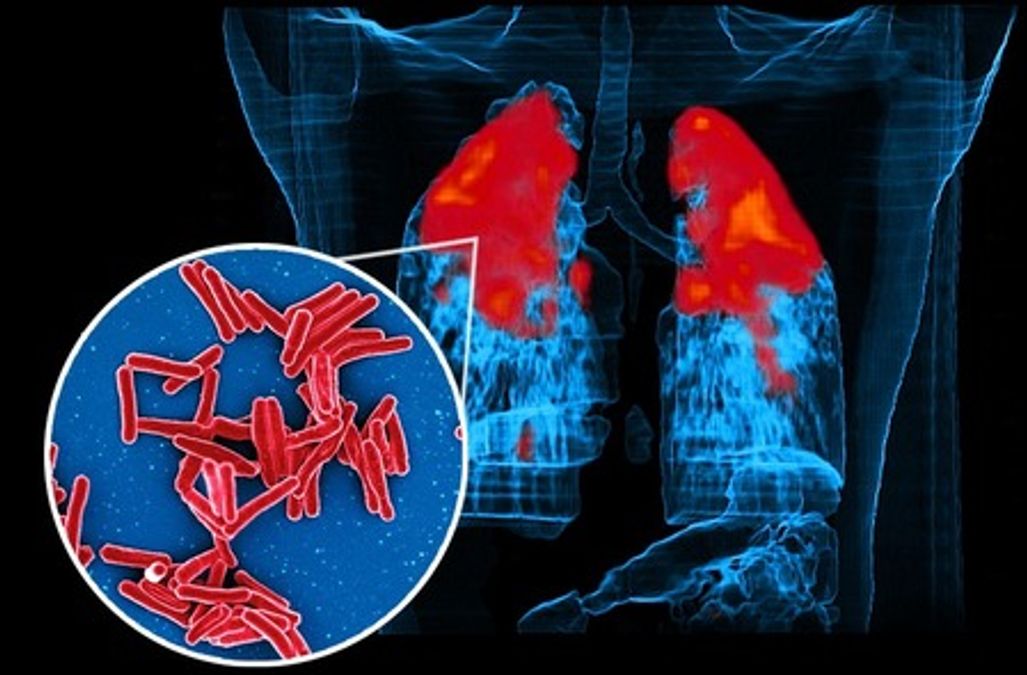
How TB Bacteria Outsmart Antibiotics: IIT Bombay Researchers Uncover Survival Mechanism
The bacteria Mycobacterium tuberculosis, responsible for tuberculosis (TB), one of the world’s most infectious diseases, have developed a remarkable ability to survive antibiotic treatment. A recent study led by researchers from the Indian Institute of Technology (IIT) Bombay reveals that these bacteria can extend their lifespan by altering their outer fat coating.
The Global TB Crisis
Despite the availability of effective antibiotics and extensive vaccination campaigns, tuberculosis continues to pose a significant threat to global health. In 2024, approximately 10.7 million individuals were diagnosed with TB, leading to 1.23 million deaths. India remains one of the countries with the highest burden, reporting over 2.71 million cases in the same year.
Research Findings
The findings of the IIT Bombay study were published in the journal Chemical Science. The researchers focused on understanding how Mycobacterium tuberculosis develops drug tolerance, which is primarily linked to the bacteria’s membranes. These membranes serve as complex barriers composed mainly of lipids, which protect the bacterial cells.
Experimental Conditions
The research team conducted experiments under two distinct conditions:
- Active Phase: This phase mimics the rapid division of bacteria during an active infection.
- Late Stage (Dormancy): This stage simulates the dormant state observed in latent infections.
Drug Sensitivity Analysis
During the study, the bacteria were exposed to four commonly used TB drugs:
- Rifabutin
- Moxifloxacin
- Amikacin
- Clarithromycin
The researchers discovered that the concentration of drugs required to inhibit 50% of bacterial growth was two to ten times higher in dormant bacteria compared to their active counterparts. This indicates that the same drug, which was effective during the early stages of the disease, would require significantly higher doses to combat dormant or persistent TB cells.
Understanding Drug Resistance
Interestingly, the reduced drug sensitivity observed in the dormant bacteria was not attributed to genetic mutations, which are typically responsible for antibiotic resistance. Professor Shobhna Kapoor from the Department of Chemistry at IIT Bombay noted that the lack of mutations associated with antibiotic resistance suggests that the diminished sensitivity is linked to the bacteria’s dormant state and their membrane structure, rather than any genetic alterations.
Lipid Molecule Identification
In their investigation, the research team identified over 270 distinct lipid molecules present in the bacterial membranes. They observed notable differences between the membranes of active and dormant cells:
- Active Bacteria: These cells exhibited loose, fluid membranes.
- Dormant Bacteria: In contrast, dormant cells had rigid, tightly ordered membrane structures, which serve as a defensive mechanism.
The Role of Lipids in Drug Resistance
Professor Kapoor emphasized that while lipids were historically considered passive components of bacterial membranes, this research demonstrates their active role in helping bacteria survive and resist antibiotic treatment. The study indicates that the rigid outer layer of dormant bacteria acts as a significant barrier to antibiotic penetration.
Implications for Treatment
The research findings have important implications for TB treatment strategies. The antibiotic rifabutin, for example, was found to easily penetrate active bacterial cells but struggled to cross the outer membrane of dormant cells. This rigidity of the outer layer is identified as the bacterium’s primary line of defense against antibiotics.
Potential Solutions
To enhance the effectiveness of existing antibiotics, the researchers suggest that weakening the outer membrane could improve drug penetration. Professor Kapoor mentioned that even older antibiotics could be made more effective when combined with molecules that loosen the outer membrane. This approach could potentially restore the sensitivity of bacteria to antibiotics, reducing the risk of developing permanent resistance.
Conclusion
The research conducted by IIT Bombay highlights the complex survival mechanisms employed by Mycobacterium tuberculosis in the face of antibiotic treatment. By understanding the role of lipids in bacterial membranes and their impact on drug sensitivity, researchers may pave the way for more effective TB treatment strategies. This study underscores the importance of continued research into the mechanisms of drug resistance to combat one of the world’s most persistent infectious diseases.
Note: The information presented in this article is based on research findings published in the journal Chemical Science and aims to provide insights into the survival mechanisms of TB bacteria.