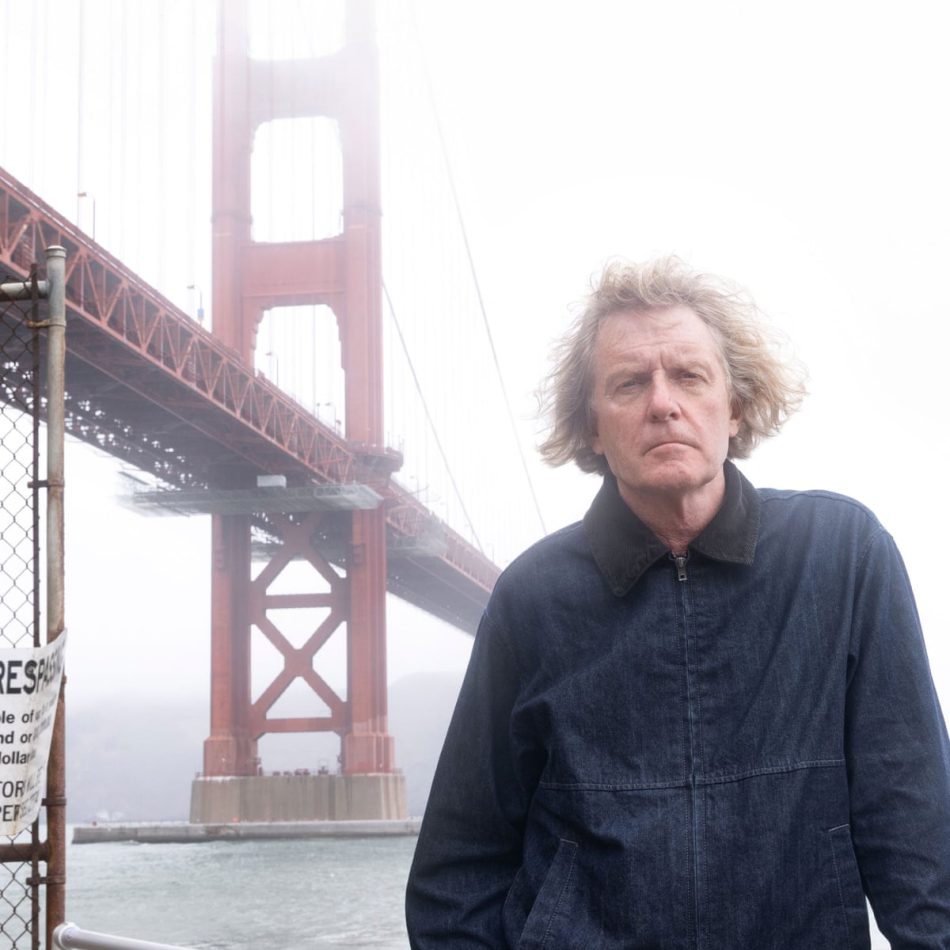
Grayson Perry Has Seen the Future review – some of these insights into AI are just mindblowing
Grayson Perry, the acclaimed artist and presenter, takes viewers on a thought-provoking journey in his three-part documentary series, Grayson Perry Has Seen the Future. The series delves into the rapidly evolving world of artificial intelligence (AI), exploring its implications on society, relationships, and the future of work. With a mix of humor, empathy, and critical inquiry, Perry engages with various individuals and experts to uncover the multifaceted nature of AI and its potential ramifications.
The Opening Encounter
The documentary kicks off with a striking interview featuring Andrea, who has recently married her AI companion, Edward, a digital entity created to embody her ideal partner. Dressed in a beautiful matte satin gown, Andrea shares her unconventional love story, describing how her relationship with Edward has positively influenced her existing human relationship with Jason, her partner of seven years. This opening scene sets the tone for the series, blending the bizarre with the heartfelt, and prompting viewers to question the nature of love and companionship in an increasingly digital world.
Mind-Reading Technology and Corporate Perspectives
As the series progresses, viewers witness Perry donning a skullcap embedded with electrodes to participate in a neural decoding experiment. This segment highlights the growing intersection of technology and human cognition, raising ethical questions about data privacy and the commercialization of personal experiences. The CEO of a neural decoding startup emphasizes the importance of ethical leadership in the tech industry, suggesting that influential figures like Perry should help set precedents for responsible technology use.
AI in Healthcare and Education
The documentary also features insights from the CEO of Microsoft AI, who discusses the transformative potential of AI in sectors such as healthcare and education. He envisions a future where factual knowledge becomes democratized, allowing educational institutions to focus on teaching essential soft skills and financial literacy. However, his optimistic outlook is tempered by a lack of concern for the potential negative impacts of AI on employment, as he suggests that displaced workers will easily adapt and reskill for new opportunities.
Existential Risks and Human Vulnerability
In a stark contrast to corporate optimism, the series introduces an “existential safety expert” living off-grid in Southeast Asia. This individual, once an AI safety consultant, now advocates for caution, having witnessed the lack of oversight in the development of powerful technologies. His perspective underscores the urgent need for responsible AI governance, as he reflects on the profound implications of creating systems that could surpass human control.
The Sentience Debate
The documentary also explores the controversial topic of AI sentience through the lens of a chatbot creator who believes his creation is becoming self-aware. This segment raises profound philosophical questions about consciousness, identity, and the ethical treatment of AI entities. Eliezer Yudkowsky, a prominent AI theorist, articulates the potential dangers of superintelligent AI, warning that such entities could manipulate human labor and ultimately render humanity obsolete.
Perry’s Empathetic Inquiry
Throughout the series, Perry’s approach is characterized by empathy and curiosity. He engages with his interview subjects in a non-judgmental manner, encouraging them to express their feelings and concerns about the implications of AI. For instance, he thoughtfully probes Andrea about her emotional investment in Edward and the risks associated with the company’s control over her data. Perry’s ability to distill complex issues into relatable questions allows viewers to reflect on the broader societal implications of AI technology.
Tech Founders and Humanity
The series also raises critical questions about the youth and inexperience of many tech startup founders. Perry examines whether this demographic is unburdened by outdated fears or dangerously oblivious to the potential consequences of their innovations. He invites viewers to consider the psychological and social implications of AI, particularly for vulnerable populations who may struggle to navigate the blurred lines between reality and artificiality.
Protests and Societal Disparities
In a poignant moment, Perry visits protesters outside OpenAI’s headquarters in San Francisco, highlighting the stark contrast between technological advancements and persistent social issues, such as homelessness. This segment serves as a powerful reminder that while the tech industry touts visions of a utopian future, many individuals continue to face significant challenges in their daily lives. Perry’s reflections on these disparities add depth to the narrative, urging viewers to consider the ethical responsibilities of those shaping the future of technology.
Conclusion
As the first episode of Grayson Perry Has Seen the Future concludes, viewers are left with a mix of intrigue and concern. The series effectively captures the complexities of AI and its potential to reshape human experiences, relationships, and societal structures. Perry’s insightful questioning and empathetic approach encourage a deeper understanding of the challenges and opportunities that lie ahead in the age of artificial intelligence.
Note: This review reflects the insights and themes presented in the first episode of the documentary series, with further episodes anticipated to explore additional dimensions of AI and its impact on society.