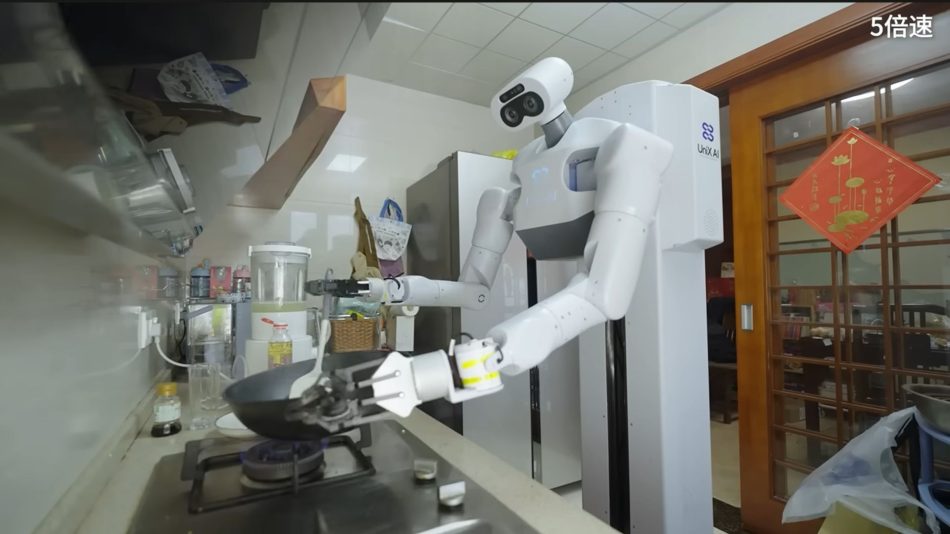
This humanoid robot does all your housework for you — and its makers say it's ready for your home
Introduction to Panther
In an era where technology continues to evolve at a rapid pace, the introduction of humanoid robots into our daily lives is becoming a reality. The latest innovation comes from the Chinese robotics company UniX AI, which has unveiled Panther, a humanoid service robot designed to assist with household chores. This article explores the capabilities of Panther, its design, and the implications of integrating such technology into our homes.
Meet Panther: Specifications and Features
Panther is not just any robot; it is engineered to perform a variety of household tasks efficiently. Here are some key specifications:
- Weight: 176 pounds (80 kilograms)
- Height: 5 feet 3 inches (1.6 meters)
- Battery Life: Operates for up to 12 hours on a single charge
These specifications allow Panther to navigate and perform tasks in a typical household environment, making it a practical solution for busy families and individuals.
Capabilities of Panther
UniX AI has designed Panther to handle various household chores. Some of the tasks it can perform include:
- Making the bed
- Cleaning countertops and toilets
- Cooking breakfast
In promotional videos released by UniX AI, Panther is seen executing these tasks with a level of precision and efficiency that suggests a significant advancement in robotics technology. The robot’s ability to perform such chores could alleviate the workload for many households.
Real-World Applications
According to Fred Yang, the founder and CEO of UniX AI, the goal of developing Panther extends beyond mere technology. He states, “UniX AI is not only building advanced technology and products; we are bringing robots into homes, hotels, public spaces, and security operations, making them reliable productivity tools for society.” This vision indicates that Panther could find applications in various sectors, including:
- Residential homes
- Hotels and hospitality
- Public spaces and institutions
- Security operations
By integrating robots like Panther into these environments, businesses and individuals alike could experience increased efficiency and productivity.
Challenges and Considerations
While the introduction of humanoid robots like Panther presents exciting possibilities, several challenges and considerations must be addressed:
- Cost: The initial investment for a humanoid robot may be significant, potentially limiting accessibility for average consumers.
- Maintenance: Regular maintenance and updates will be necessary to ensure optimal performance and longevity of the robot.
- Privacy Concerns: The integration of robots into personal spaces raises questions about data security and privacy.
- Job Displacement: As robots take on more household tasks, there may be concerns about job displacement in fields such as cleaning and caregiving.
Addressing these challenges will be crucial for the successful adoption of humanoid robots in everyday life.
The Future of Humanoid Robots in Homes
The introduction of Panther is just the beginning of what could be a transformative shift in how we manage our homes and daily tasks. As technology continues to advance, we may see more sophisticated robots capable of handling a wider range of responsibilities. The potential for humanoid robots to enhance our quality of life is significant, but it also requires careful consideration of the societal implications.
Conclusion
As we stand on the brink of a new era in household management, Panther represents a significant step towards integrating humanoid robots into our daily lives. With its ability to perform various chores, Panther could become an invaluable asset for many households. However, as we embrace this technology, it is essential to address the challenges and ethical considerations that come with it. The future of humanoid robots in our homes is bright, but it is one that must be approached thoughtfully and responsibly.
Note: The information presented in this article is based on the latest developments in robotics technology as of October 2023.