Some grocers are using AI to cut food waste and boost profit margins
As grocery chains face increasing challenges from inflation and competition, many are turning to artificial intelligence (AI) to protect their profit margins while maintaining customer loyalty. Traditional methods of managing costs, such as raising prices or implementing broad promotions, are becoming less effective as consumers increasingly shop across multiple retailers in search of the best deals.
The Challenge of Food Waste
One of the significant issues facing grocery stores today is food waste. Historically, around 30% of food in American grocery stores is discarded each year, which equates to approximately $18.2 billion in lost value. This waste not only affects the environment but also impacts the bottom line of grocery stores.
The Role of AI in Pricing Strategies
To address this challenge, some grocers are utilizing AI to optimize pricing, particularly for perishable items that are nearing their “best-by” dates. By implementing targeted markdowns, retailers can reduce waste while also generating revenue from products that would otherwise be discarded.
Ronald Sargent, Chairman of Kroger, emphasized the importance of AI during a recent earnings call, stating, “We see AI as a meaningful opportunity to both improve the customer experience and drive productivity across our business.” Kroger has already observed positive results from competitive pricing strategies enhanced by AI.
Consumer Behavior and Market Trends
According to a study by Deloitte, 89% of consumers are actively seeking discounts and deals. Moreover, data from Numerator indicates that shoppers are visiting 23% more retailers to purchase groceries. This shift in consumer behavior underscores the necessity for grocery stores to set the right prices at the right times.
Jordan Schenck, CEO of Flashfood, a company that connects shoppers with local grocery stores to purchase discounted food nearing its expiration date, noted, “Not only is everyone now a value shopper, but shoppers have the information and resources available to find the best deal.” This competitive landscape compels grocers to innovate in how they create value for their customers.
Flashfood: A Case Study
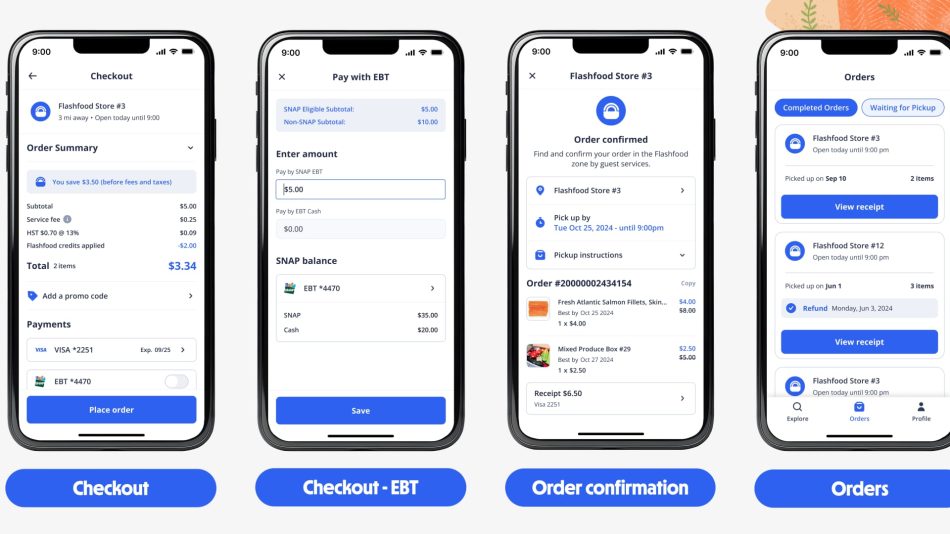
Flashfood has emerged as a significant player in helping grocery stores manage food waste while enhancing profitability. The app allows users to browse, purchase, and pay for discounted items directly through their smartphones, which they can then pick up from designated “Flashfood zone” fridges in stores.
The benefits of using Flashfood are evident. Retailers can convert potential shrink—lost revenue from unsold products—into incremental revenue. The company is expanding its presence, with plans to add its services to over 100 additional Kroger stores, building on a network that already includes more than 2,000 locations across North America.
By utilizing AI to target discounts more precisely rather than applying broad markdowns, Flashfood enables stores to improve sell-through rates while simultaneously reducing waste. The ultimate goal is to increase sales of perishable food and minimize the amount of product that ends up in landfills.
Impact on Retail Traffic and Consumer Spending
According to Flashfood, its partners have successfully reduced shrink by an average of 27%. Additionally, shoppers using the app tend to make nearly four extra trips per month and spend approximately $28 more per visit on full-priced items beyond their discounted purchases. This demonstrates that targeted pricing strategies can not only help reduce waste but also drive additional sales.
Data Insights and Consumer Behavior
The data generated from AI-driven pricing systems provides retailers with valuable insights into consumer behavior. This information helps identify which products are likely to sell, at what price, and at what point in their shelf lives. Such insights are particularly crucial for categories like fresh foods and bakery items, where margins are tighter and the risk of spoilage is higher.
Bill Kirk, an analyst at Roth Capital Partners, remarked, “Grocery stores have some of the best personalized data, but not all grocery stores know what to do with the data.” Kroger has been recognized for its ability to leverage data effectively, which positions it well in the competitive grocery market.
Conclusion
As grocery retailers navigate a rapidly changing landscape characterized by inflation and increased competition, the use of AI to optimize pricing and reduce food waste is becoming a critical strategy. By embracing technology and data-driven insights, grocers can enhance their profitability while still providing value to consumers. This innovative approach not only addresses the pressing issue of food waste but also aligns with evolving consumer expectations for affordability and sustainability.
Note: The information presented in this article is based on data available as of October 2023 and is subject to change as new developments occur in the grocery industry.