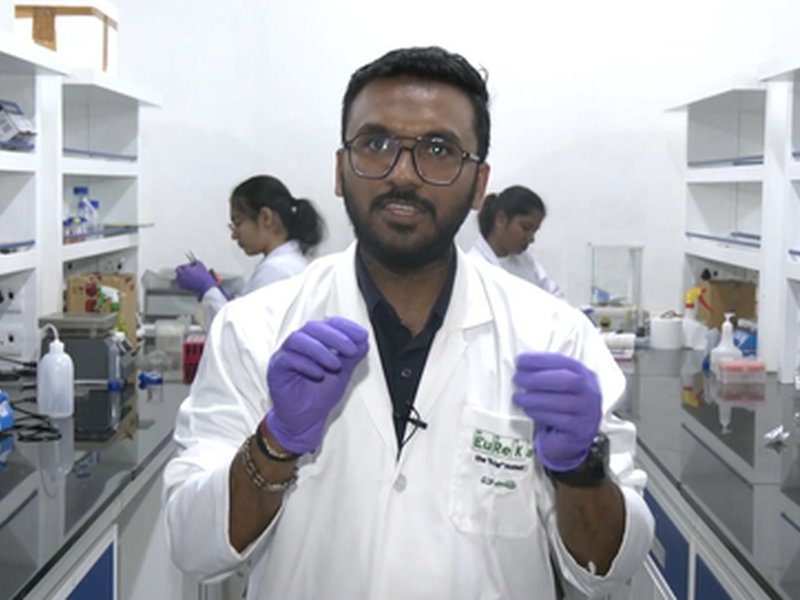
Hydrogel-based technology developed at IIT Gandhinagar promises to simplify colon tumor surgery
Colon cancer is one of the leading causes of cancer-related deaths worldwide. Surgical intervention is often necessary to remove tumors, but the complexity of these procedures can lead to significant challenges for surgeons. Researchers at the Indian Institute of Technology (IIT) Gandhinagar have developed a groundbreaking hydrogel-based technology that aims to simplify colon tumor surgeries, making them safer and more efficient.
Understanding Hydrogel Technology
Hydrogels are three-dimensional polymer networks that can retain large amounts of water while maintaining their structure. They are biocompatible, meaning they can interact safely with biological tissues, making them ideal candidates for medical applications. The unique properties of hydrogels allow them to be used in various fields, including drug delivery, tissue engineering, and wound healing.
Key Features of Hydrogel Technology
- Biocompatibility: Hydrogels are made from materials that do not provoke an immune response, making them safe for use in the human body.
- Moisture Retention: Their ability to retain moisture helps in maintaining a conducive environment for healing.
- Customizability: Hydrogels can be engineered to have specific properties, such as mechanical strength or degradation rates, tailored to the needs of different medical applications.
- Minimally Invasive: The use of hydrogels can lead to less invasive surgical techniques, reducing recovery times and complications.
The Surgical Challenge of Colon Tumors
Colon tumor surgeries often involve complex procedures that require precise navigation around sensitive tissues and organs. Surgeons face several challenges during these operations, including:
- Identifying Tumor Boundaries: Accurately locating the tumor and distinguishing it from surrounding healthy tissue can be difficult.
- Managing Blood Loss: Surgical procedures can lead to significant blood loss, complicating recovery and increasing the risk of complications.
- Post-operative Complications: Infections and other complications can arise after surgery, prolonging recovery and increasing healthcare costs.
How Hydrogel Technology Addresses Surgical Challenges
The innovative hydrogel technology developed at IIT Gandhinagar provides solutions to these challenges, enhancing the surgical experience for both patients and surgeons.
Enhanced Visualization
One of the primary advantages of the hydrogel technology is its ability to enhance the visualization of tumors during surgery. The hydrogel can be infused with imaging agents that make the tumor more visible under surgical lights, allowing surgeons to differentiate between cancerous and healthy tissues more effectively. This improved visualization helps in:
- Reducing the risk of leaving behind cancerous tissue.
- Minimizing damage to surrounding healthy tissues.
- Improving overall surgical outcomes.
Reduced Blood Loss
The hydrogel can also be designed to promote hemostasis, the process of stopping bleeding. By applying the hydrogel to the surgical site, surgeons can effectively control bleeding, which is crucial during colon surgeries. This capability leads to:
- Less need for blood transfusions.
- Shorter surgery times.
- Reduced risk of post-operative complications related to blood loss.
Improved Healing
After surgery, the hydrogel can facilitate healing by maintaining a moist environment, which is essential for tissue repair. The hydrogel’s properties can be tailored to release growth factors that promote healing, leading to:
- Faster recovery times for patients.
- Lower rates of infection.
- Improved overall patient outcomes.
Research and Development at IIT Gandhinagar
The research team at IIT Gandhinagar has been working diligently to develop and refine this hydrogel technology. Their work involves extensive laboratory testing and collaboration with medical professionals to ensure that the hydrogel meets the rigorous standards required for clinical use. The team is also exploring various formulations of the hydrogel to optimize its performance in surgical settings.
Future Directions
The successful implementation of hydrogel technology in colon tumor surgeries could pave the way for its application in other types of surgeries as well. Future research may focus on:
- Expanding the use of hydrogels in different types of cancer surgeries.
- Investigating the potential for drug delivery systems integrated with hydrogels.
- Collaborating with hospitals and surgical centers for clinical trials to validate the effectiveness of the technology.
Conclusion
The hydrogel-based technology developed at IIT Gandhinagar represents a significant advancement in the field of surgical oncology. By addressing key challenges faced during colon tumor surgeries, this innovative approach has the potential to improve surgical outcomes, reduce recovery times, and enhance the overall patient experience. As research continues and clinical applications are explored, this technology may revolutionize how colon cancer surgeries are performed, ultimately saving lives and improving health care quality.
Note: The information provided in this article is based on the latest research and developments as of October 2023 and may be subject to change as new findings emerge.