Efficient brakes and EV range
Researchers at the Indian Institute of Technology, Madras (IIT-Madras), have made significant advancements in electric vehicle (EV) technology by developing a control framework aimed at enhancing the efficiency of regenerative braking systems. This innovation promises to extend the driving range of electric vehicles without necessitating any hardware changes.
Understanding Regenerative Braking
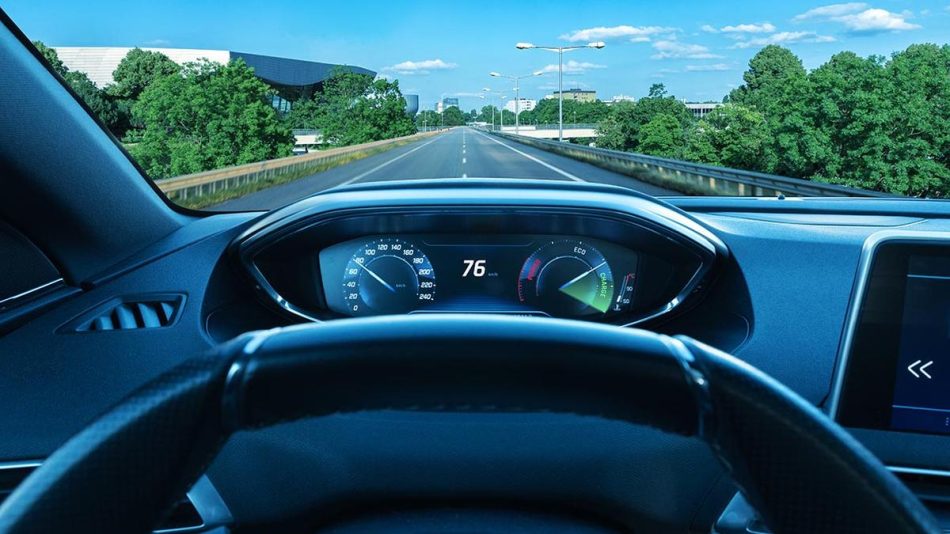
Regenerative braking is a key feature in electric vehicles that allows them to recover energy during deceleration. This process converts kinetic energy back into stored energy in the battery, which can then be used to power the vehicle. However, the effectiveness of regenerative braking diminishes below a certain speed, leading to energy loss.
Challenges with Current Systems
In many existing regenerative braking systems, the low-speed cut-off point is fixed using empirical methods that do not adapt to varying operating conditions. This rigidity can result in significant energy loss, particularly in urban driving scenarios where frequent stops and starts are common.
Innovative Solutions from IIT-Madras
The team at IIT-Madras has tackled these challenges by introducing an analytical method to determine the optimal speed threshold below which regenerative braking should be disabled. This method is based on first principles and is computed offline, which means it does not add any computational burden during real-time vehicle operation.
Dynamic Adjustment of Motor’s Magnetic Flux
In addition to the speed threshold improvement, the researchers developed a model-based algorithm that dynamically adjusts the motor’s magnetic flux based on speed and torque conditions. This approach replaces the conventional fixed-flux operation, which has been associated with higher power losses. By optimizing the magnetic flux, the effective range over which regenerative braking can operate is significantly extended.
Testing and Results
The framework developed by the IIT-Madras team has been rigorously tested using various driving cycles, including both international and Indian standards. Notably, the modified Indian drive cycle (MIDC) and the US Environmental Protection Agency (EPA) highway cycle were used for evaluation.
- Reduction in Traction System Losses: The results showed a reduction in traction system losses of up to 13% under MIDC conditions.
- Performance under US EPA Conditions: A reduction of about 7% in losses was observed under the US EPA highway cycle.
The findings of this research were published in the journal IEEE Transactions on Transportation Electrification, co-authored by research scholar MK Deepa, Prof. Srikanthan Sridharan, and Prof. CS Shankar Ram.
Future Directions
The IIT-Madras team plans to further test this framework on full-scale electric vehicles to assess the system-level effects, including battery performance and thermal behavior. Additionally, they aim to explore the integration of this framework with battery state-of-charge management systems, which could further enhance the efficiency and range of electric vehicles.
Advancements in Battery Technology
In parallel with the developments in regenerative braking, researchers are also making strides in battery technology. A new composite electrode material has been developed that enhances the durability of aluminium-ion batteries, making them a promising alternative to traditional lithium-ion batteries.
The Promise of Aluminium-Ion Batteries
Aluminium-ion batteries are being researched for their potential advantages over lithium-ion systems, including lower cost, greater abundance of materials, and higher charge storage capacity per atom. However, their widespread adoption has been hindered by issues related to durability. The electrode material often cracks or dissolves into the electrolyte during charging and discharging cycles, leading to a rapid decline in performance.
Innovative Composite Material
The research team, led by Kavita Pandey at the Centre for Nano and Soft Matter Sciences, has tackled this issue by combining vanadium oxide, a commonly used cathode material, with MXene, a highly conductive and ultra-thin material. This composite structure allows for improved stability and performance.
- Reduction in Dissolution: The composite significantly reduces the dissolution of vanadium into the electrolyte, decreasing from 28.3 ppm in pure vanadium oxide to just 5.4 ppm in the composite.
- Enhanced Capacity Retention: The composite material retains over 73% of its original capacity after 100 charge cycles and about 59% even after 500 cycles, outperforming conventional designs.
Further analysis indicates that the MXene framework helps maintain the electrode’s structure during operation, preventing the cracks and damage that typically degrade aluminium-ion batteries.
Conclusion
The advancements in both regenerative braking systems and battery technology represent significant steps forward in the quest for more efficient electric vehicles. By enhancing the effectiveness of regenerative braking and improving battery durability, researchers are paving the way for electric vehicles that are not only more efficient but also more reliable and cost-effective.
Note: The information presented in this article is based on research findings and may evolve as further studies are conducted.