IIT-M Conclave Charts Global South’s Roadmap for Safe and Trusted AI
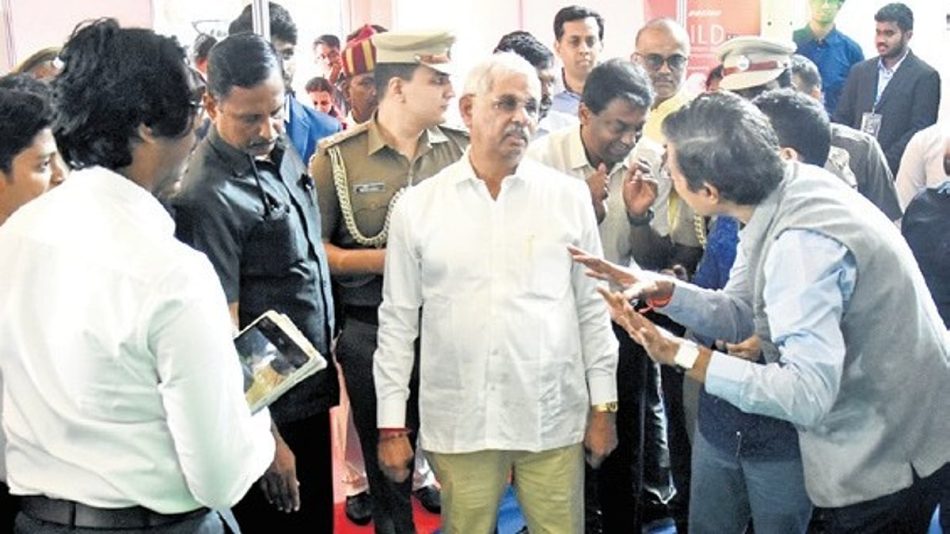
The Indian Institute of Technology, Madras (IIT-M), recently hosted a significant conclave aimed at establishing a roadmap for the Global South in the realm of artificial intelligence (AI). This event gathered experts, policymakers, and industry leaders from various countries to discuss the challenges and opportunities that AI presents, particularly in developing nations.
The Importance of AI in the Global South
As AI technology continues to advance rapidly, it has the potential to transform economies and societies across the globe. However, the Global South—comprising countries in Africa, Latin America, and parts of Asia—faces unique challenges in harnessing AI effectively. The conclave at IIT-M focused on creating a framework that ensures AI development is safe, ethical, and beneficial for all.
Key Themes Discussed at the Conclave
The discussions at the conclave revolved around several key themes:
- Ethical AI Development: Participants emphasized the need for ethical guidelines that govern AI development and deployment. This includes ensuring transparency, accountability, and fairness in AI systems.
- Capacity Building: There was a consensus on the necessity of building local expertise in AI. This involves training professionals and creating educational programs that equip individuals with the skills needed to engage with AI technologies.
- Collaboration and Partnerships: The conclave highlighted the importance of collaboration between governments, academic institutions, and the private sector. Such partnerships can facilitate knowledge sharing and resource allocation.
- Policy Frameworks: Effective policy frameworks are crucial for regulating AI technologies. Discussions included the need for policies that protect citizens while fostering innovation.
- Inclusivity in AI: Ensuring that AI technologies are inclusive and accessible to all segments of society was a major focus. This includes addressing biases in AI systems and ensuring that marginalized communities are not left behind.
Global Perspectives on AI
Experts from various countries contributed their perspectives on AI’s role in their respective regions. For instance:
- Africa: Many African nations are leveraging AI for agriculture, healthcare, and education. However, challenges such as infrastructure and funding remain significant barriers.
- Latin America: In Latin America, AI is being used to enhance public services and improve economic opportunities. The region is focusing on developing regulatory frameworks that support innovation while protecting citizens.
- Asia: Countries in Asia are at the forefront of AI development, with significant investments in research and development. However, there is a pressing need for ethical considerations and public engagement in AI initiatives.
Case Studies and Success Stories
Throughout the conclave, several case studies were presented, showcasing successful implementations of AI in the Global South. These examples served as inspiration and provided practical insights into how AI can be harnessed effectively:
- Healthcare in Kenya: A startup in Kenya developed an AI-driven platform that helps diagnose diseases using mobile technology, significantly improving access to healthcare in remote areas.
- Agricultural Innovations in India: In India, AI technologies are being used to optimize crop yields through predictive analytics, helping farmers make informed decisions and reduce waste.
- Education in Brazil: An educational initiative in Brazil utilizes AI to personalize learning experiences for students, addressing individual needs and enhancing educational outcomes.
Challenges Ahead
Despite the promising discussions and initiatives, several challenges remain for the Global South in the AI landscape:
- Infrastructure Limitations: Many countries in the Global South lack the necessary infrastructure to support advanced AI technologies, including reliable internet access and computational resources.
- Funding and Investment: Securing funding for AI projects can be difficult, as many investors are hesitant to invest in regions perceived as high-risk.
- Regulatory Hurdles: The absence of clear regulations can stifle innovation and create uncertainty for businesses looking to invest in AI.
- Public Awareness: There is often a lack of awareness and understanding of AI technologies among the general public, which can hinder adoption and acceptance.
Future Directions
Looking ahead, the conclave participants agreed on several strategic directions to enhance the development of safe and trusted AI in the Global South:
- Investment in Research: Increased investment in AI research, particularly in areas that address local challenges, is essential for sustainable development.
- Strengthening Educational Programs: Developing robust educational programs that focus on AI literacy and technical skills will empower the workforce.
- Creating Inclusive Policies: Policymakers must prioritize inclusivity and ethical considerations in AI regulations to ensure equitable access and benefits.
- Fostering International Collaboration: Building networks and partnerships across borders will facilitate knowledge exchange and resource sharing.
Conclusion
The IIT-M conclave successfully laid the groundwork for a collaborative approach to AI in the Global South. By focusing on ethical development, capacity building, and inclusive policies, the participants aimed to ensure that AI serves as a tool for empowerment rather than division. The journey ahead may be challenging, but with collective effort and commitment, the Global South can navigate the complexities of AI to achieve sustainable growth and development.
Note: This article is based on the discussions and outcomes of the IIT-M conclave focused on AI in the Global South.